
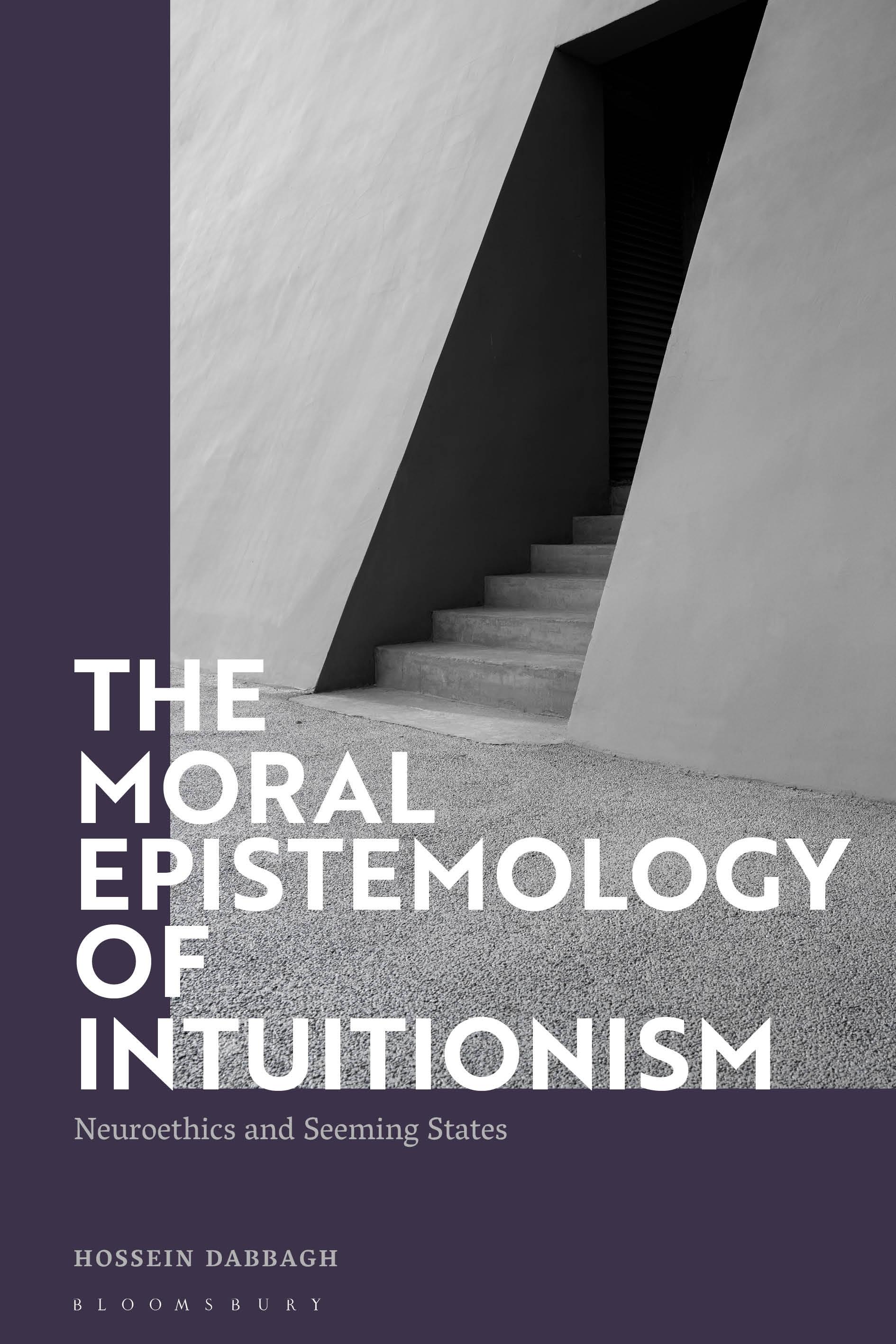
Covering moral intuition, self-evidence, non-inferentiality, moral emotion and seeming states, Hossein Dabbagh defends the epistemology of moral intuitionism.
His line of analysis resists the empirical challenges derived from empirical moral psychology and reveals the seeming-based account of moral intuitionism as the most tenable one. The Moral Epistemology of Intuitionism combines epistemological intuitionism with work in neuroethics to develop an account of the role that moral intuition and emotion play in moral judgment. The book culminates in a convincing argument about the value of understanding moral intuitionism in terms of intellectual seeming and perceptual experience.
His line of analysis resists the empirical challenges derived from empirical moral psychology and reveals the seeming-based account of moral intuitionism as the most tenable one. The Moral Epistemology of Intuitionism combines epistemological intuitionism with work in neuroethics to develop an account of the role that moral intuition and emotion play in moral judgment. The book culminates in a convincing argument about the value of understanding moral intuitionism in terms of intellectual seeming and perceptual experience.
Betal enkelt med kort, Klarna, Apple Pay eller Google Pay. Ikke fornøyd? Du har alltid 14 dagers angrerett. Les mer i våre vilkår. Har du spørsmål, send oss en e-post på hello@memmo.org.
Memmo gjør det enklere å studere – uansett hvor du er i verden. Hos oss samler du pensumbøker og smarte studieverktøy på ett og samme sted: sammendrag, quizer, podkaster og flashcards. Og så Ted, din studiekompis som svarer på alt du lurer på. Over 50 000 studenter studerer allerede her – bygget for at du skal lære raskere og stresse mindre.