
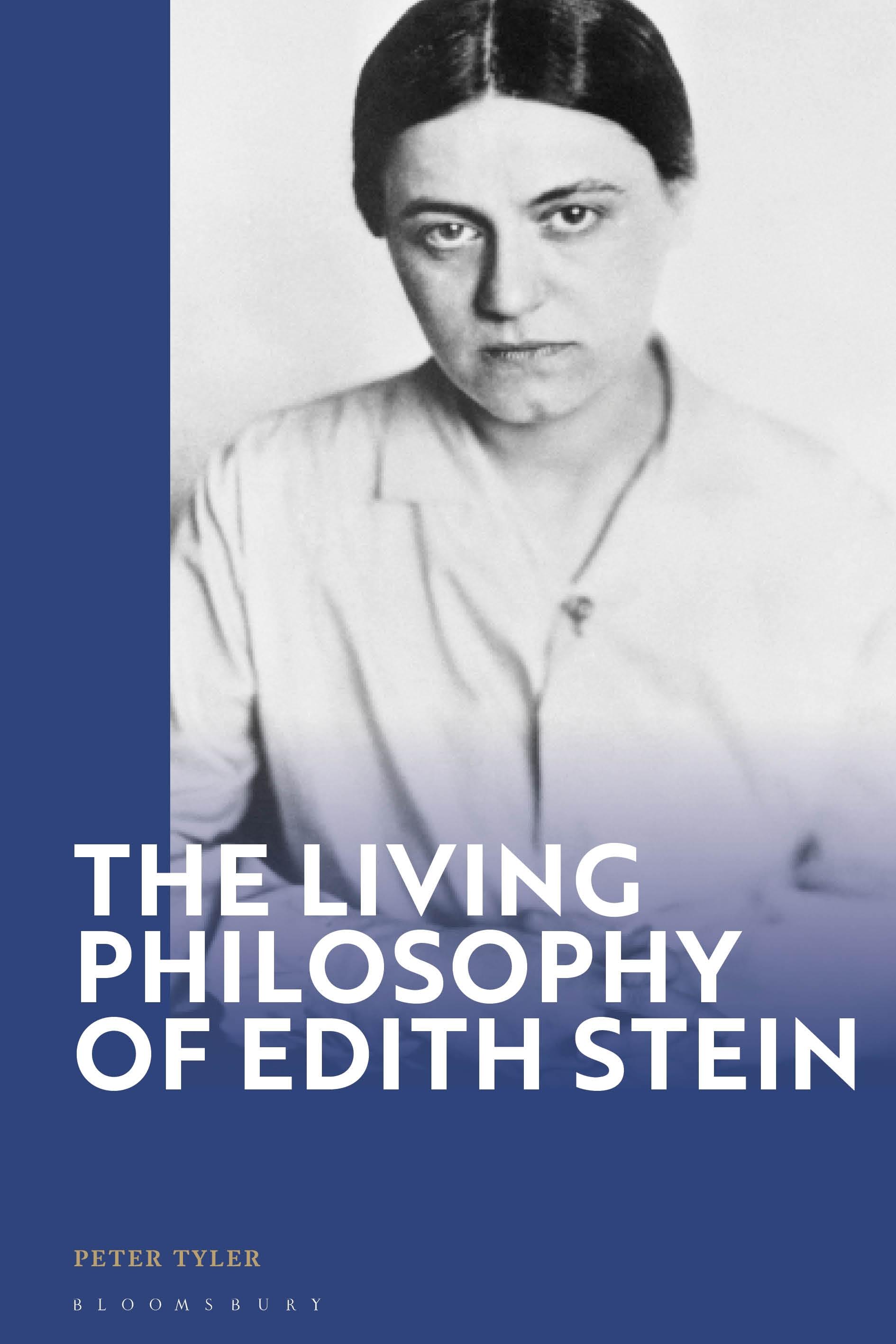
Studying with Husserl in Göttingen, becoming a Carmelite nun, and finally meeting her death in Auschwitz, the multifaceted life of Edith Stein (1891-1942) is well known. But what about her writing? Have the different aspects of her scholarship received sufficient attention? Peter Tyler thinks not, and by drawing on previously untranslated and neglected sources, he reveals how Stein's work lies at the interface of philosophy, psychology, and theology.
Bringing Stein into conversation with a range of scholars and traditions, this book investigates two core elements of her thinking. From Nietzsche to Aquinas, psychoanalysis to the philosophy of the soul, and even the striking parallels between Stein's thought and Buddhist teaching, Tyler first unveils the interdisciplinary nature of what he terms her 'spiritual anthropology'. Second, he also explores her symbolic mentality. Articulating its poetic roots with the help of English poetry and medieval theology, he introduces Stein's self-named 'philosophy of life'.
Considered in the context of her own times, The Living Philosophy of Edith Stein unearths Stein's valuable contributions to numerous subjects that are still of great importance today, including not only the philosophies of mind and religion, but also social and political thought and the role of women in society. By examining the richness of her thinking, informed by three disciplines and the tumultuous first half of the twentieth century, Tyler shows us how Edith Stein is the guide we all need, as we seek to develop our own philosophy for life in the contemporary world.
Bringing Stein into conversation with a range of scholars and traditions, this book investigates two core elements of her thinking. From Nietzsche to Aquinas, psychoanalysis to the philosophy of the soul, and even the striking parallels between Stein's thought and Buddhist teaching, Tyler first unveils the interdisciplinary nature of what he terms her 'spiritual anthropology'. Second, he also explores her symbolic mentality. Articulating its poetic roots with the help of English poetry and medieval theology, he introduces Stein's self-named 'philosophy of life'.
Considered in the context of her own times, The Living Philosophy of Edith Stein unearths Stein's valuable contributions to numerous subjects that are still of great importance today, including not only the philosophies of mind and religion, but also social and political thought and the role of women in society. By examining the richness of her thinking, informed by three disciplines and the tumultuous first half of the twentieth century, Tyler shows us how Edith Stein is the guide we all need, as we seek to develop our own philosophy for life in the contemporary world.
Betal enkelt med kort, Klarna, Apple Pay eller Google Pay. Ikke fornøyd? Du har alltid 14 dagers angrerett. Les mer i våre vilkår. Har du spørsmål, send oss en e-post på hello@memmo.org.
Memmo gjør det enklere å studere – uansett hvor du er i verden. Hos oss samler du pensumbøker og smarte studieverktøy på ett og samme sted: sammendrag, quizer, podkaster og flashcards. Og så Ted, din studiekompis som svarer på alt du lurer på. Over 50 000 studenter studerer allerede her – bygget for at du skal lære raskere og stresse mindre.