
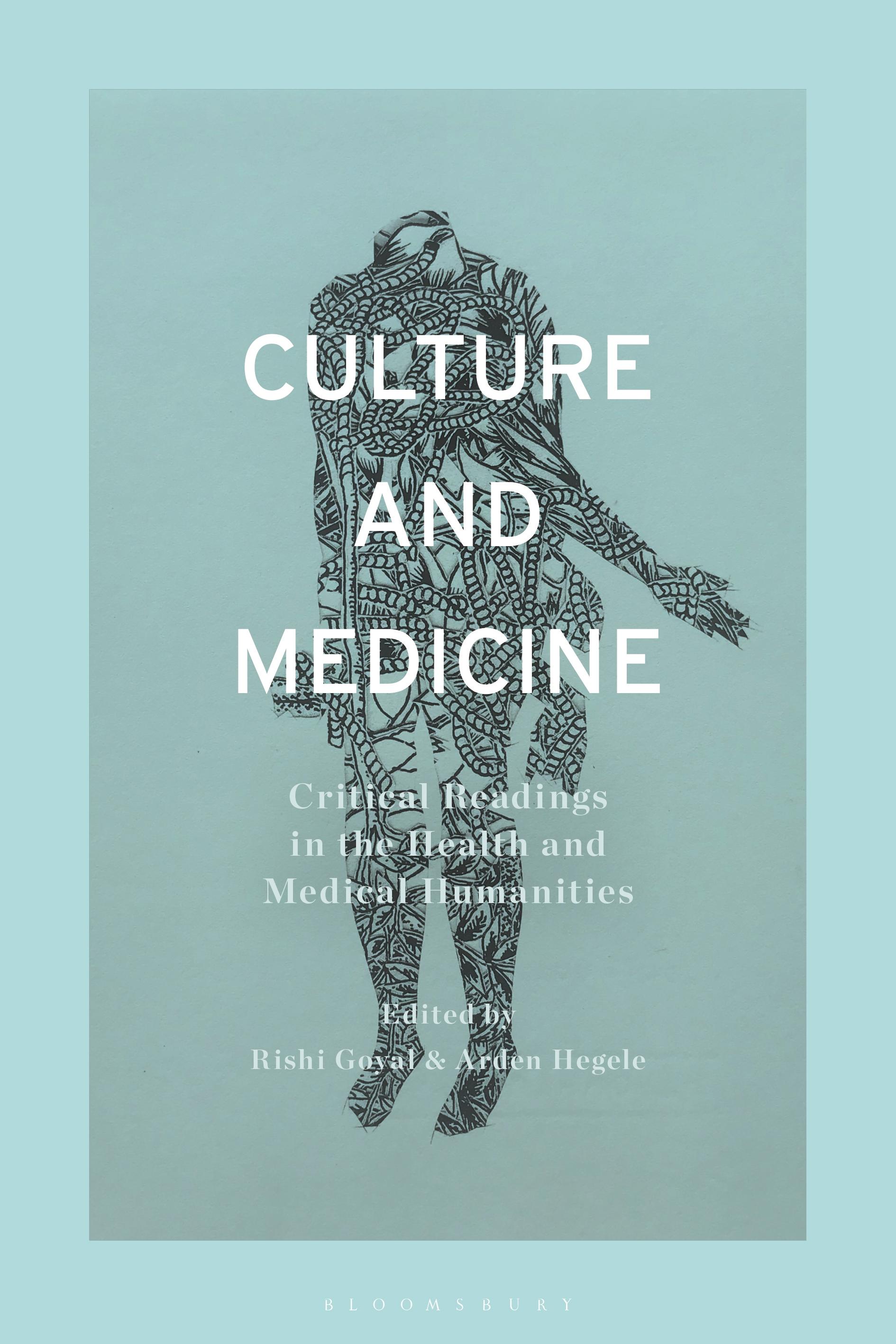
Charting shared advances across the emerging fields of medical humanities and health humanities, this book engages with the question of how biomedical knowledge is constructed, negotiated, and circulated as a cultural practice.
The volume is composed of a series of pathbreaking inter-disciplinary essays that bring sociocultural habits of mind and modes of thought to the study of medicine, health and patients. These juxtapositions create new forms of knowledge, while emphasizing the vulnerability of human bodies, anti-essentialist approaches to biology, a sensitivity to language and rhetoric, and an attention to social justice.
These essays dissect the ways that cultural practices define the limits of health and the body: from the body's place and trajectory in the world to how bodies relate to one another, from questions about ageing and sex to what counts as health and illness.
Considering how these and other concepts are shaped by a negotiation between medico-scientific knowledge and ways of knowing derived from other domains, this book provides important new insights into how biomedical frameworks become settled forms for broader cultural understanding.
The volume is composed of a series of pathbreaking inter-disciplinary essays that bring sociocultural habits of mind and modes of thought to the study of medicine, health and patients. These juxtapositions create new forms of knowledge, while emphasizing the vulnerability of human bodies, anti-essentialist approaches to biology, a sensitivity to language and rhetoric, and an attention to social justice.
These essays dissect the ways that cultural practices define the limits of health and the body: from the body's place and trajectory in the world to how bodies relate to one another, from questions about ageing and sex to what counts as health and illness.
Considering how these and other concepts are shaped by a negotiation between medico-scientific knowledge and ways of knowing derived from other domains, this book provides important new insights into how biomedical frameworks become settled forms for broader cultural understanding.
Betal enkelt med kort, Klarna, Apple Pay eller Google Pay. Ikke fornøyd? Du har alltid 14 dagers angrerett. Les mer i våre vilkår. Har du spørsmål, send oss en e-post på hello@memmo.org.
Memmo gjør det enklere å studere – uansett hvor du er i verden. Hos oss samler du pensumbøker og smarte studieverktøy på ett og samme sted: sammendrag, quizer, podkaster og flashcards. Og så Ted, din studiekompis som svarer på alt du lurer på. Over 50 000 studenter studerer allerede her – bygget for at du skal lære raskere og stresse mindre.