
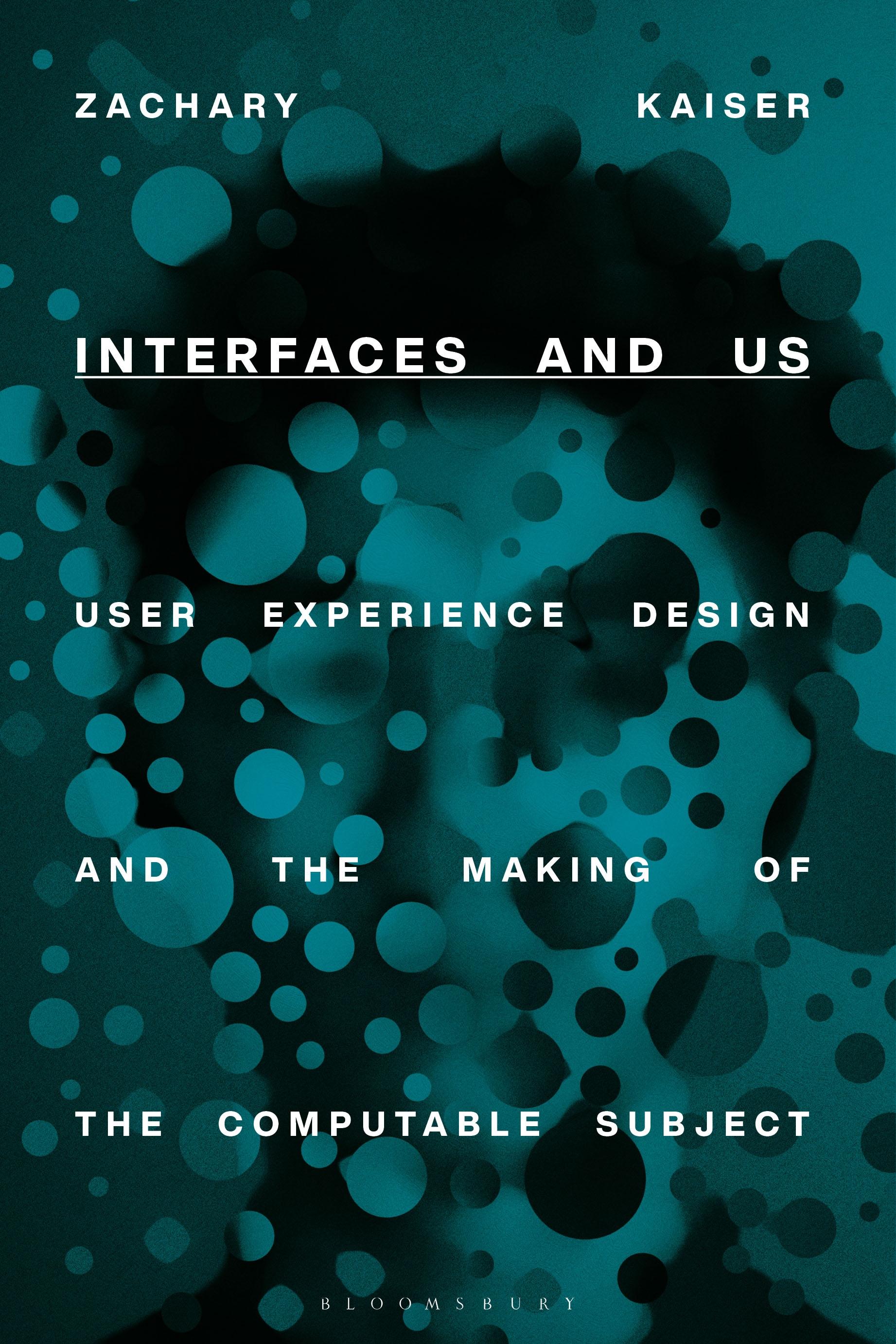
We're all familiar with smart TVs making suggestions on our future watching, real-world exercise data being transferred into stats and infographics on our workout apps and turning up our home heating before we start our commute – but how does this world of technological interfaces affect our actions and perceptions of self?When society relies on computer models and their interfaces to explain and predict everything from love to geopolitical conflicts, our own behaviour and choices are artificially changed. Zachary Kaiser explores the harmful social consequences of this idea - balanced against speed and ease for the user - and how design practice and education can respond positively.
- Concepts of freedom vs convenience
- Smart objects and manipulation
- Real world information transformed into data
- Technology's decisions made on our behalf
- Concepts of freedom vs convenience
- Smart objects and manipulation
- Real world information transformed into data
- Technology's decisions made on our behalf
Betal enkelt med kort, Klarna, Apple Pay eller Google Pay. Ikke fornøyd? Du har alltid 14 dagers angrerett. Les mer i våre vilkår. Har du spørsmål, send oss en e-post på hello@memmo.org.
Memmo gjør det enklere å studere – uansett hvor du er i verden. Hos oss samler du pensumbøker og smarte studieverktøy på ett og samme sted: sammendrag, quizer, podkaster og flashcards. Og så Ted, din studiekompis som svarer på alt du lurer på. Over 50 000 studenter studerer allerede her – bygget for at du skal lære raskere og stresse mindre.