
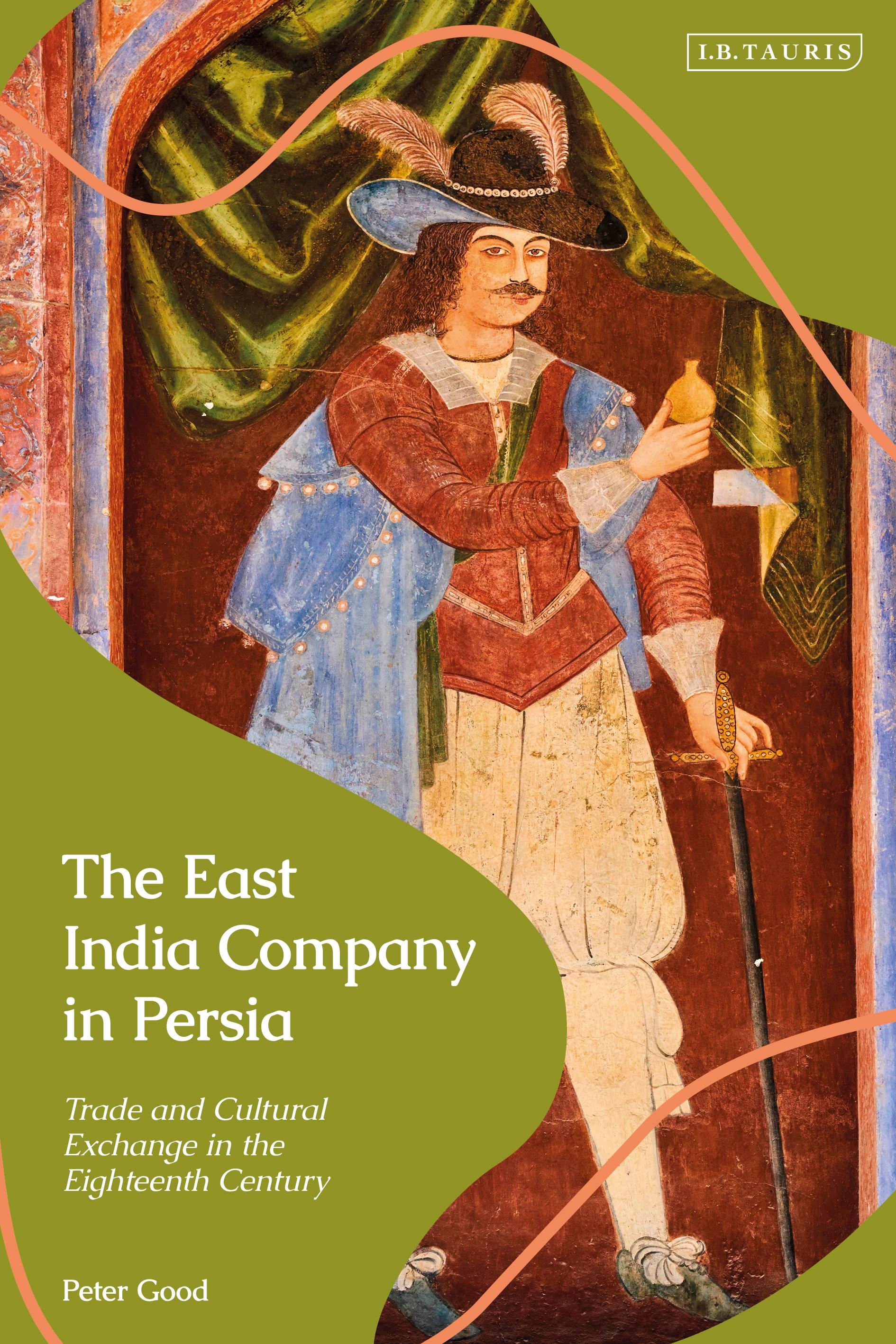
In 1747, the city of Kerman in Persia burned amidst chaos, destruction and death perpetrated by the city's own overlord, Nader Shah. After the violent overthrow of the Safavid dynasty in 1722 and subsequent foreign invasions from all sides, Persia had been in constant turmoil. One well-appointed house that belonged to the East India Company had been saved from destruction by the ingenuity of a Company servant, Danvers Graves, and his knowledge of the Company's privileges in Persia. This book explores the lived experience of the Company and its trade in Persia and how it interacted with power structures and the local environment in a time of great upheaval in Persian history. Using East India Company records and other sources, it charts the role of the Navy and commercial fleet in the Gulf, trade agreements, and the experience of Company staff, British and non-British living in and navigating conditions in 18th-century Persia. By examining the social, commercial and diplomatic history of this relationship, this book creates a new paradigm for the study of Early Modern interactions in the Indian Ocean.
Betal enkelt med kort, Klarna, Apple Pay eller Google Pay. Ikke fornøyd? Du har alltid 14 dagers angrerett. Les mer i våre vilkår. Har du spørsmål, send oss en e-post på hello@memmo.org.
Memmo gjør det enklere å studere – uansett hvor du er i verden. Hos oss samler du pensumbøker og smarte studieverktøy på ett og samme sted: sammendrag, quizer, podkaster og flashcards. Og så Ted, din studiekompis som svarer på alt du lurer på. Over 50 000 studenter studerer allerede her – bygget for at du skal lære raskere og stresse mindre.