
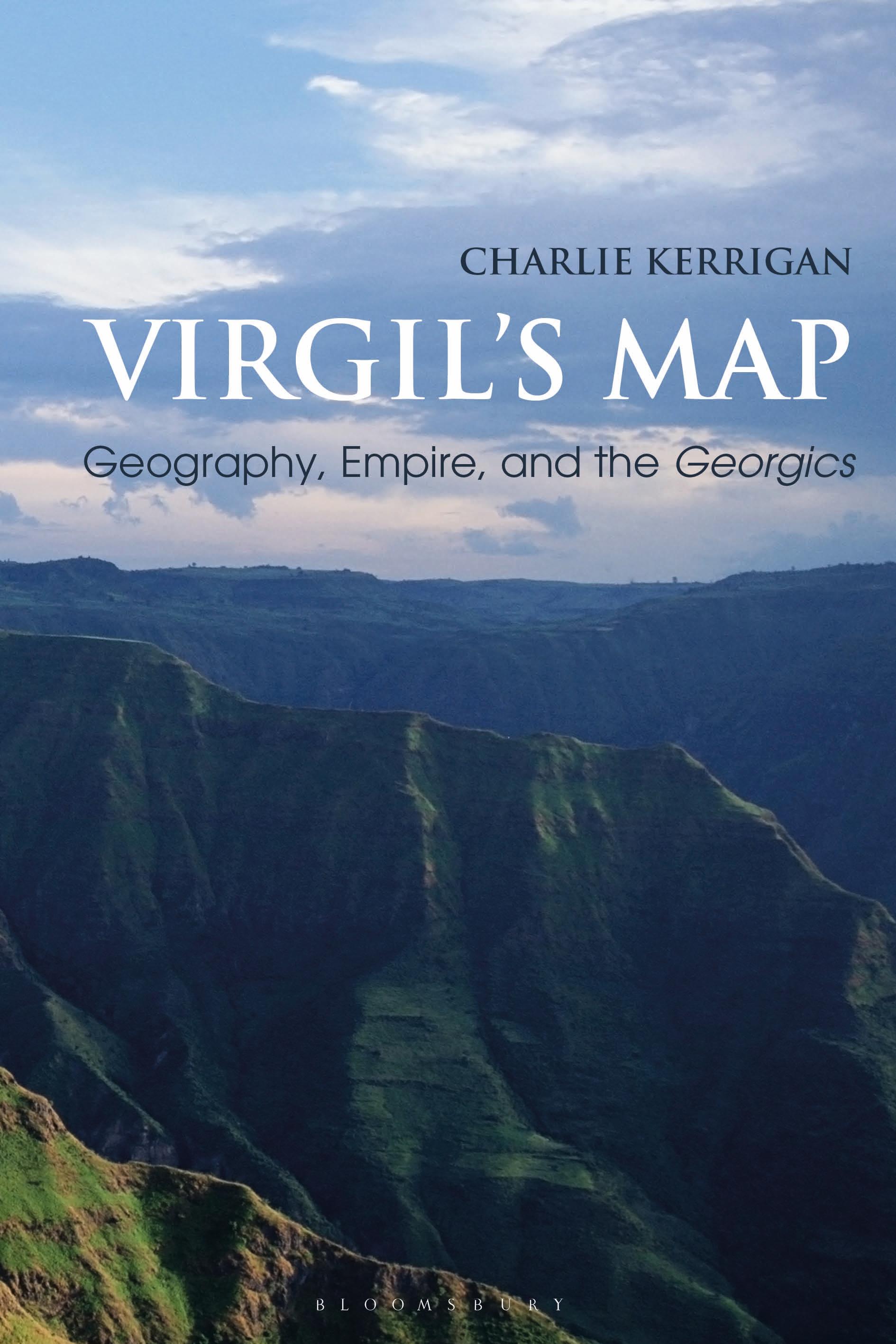
Virgil's Georgics depicts the world and its peoples in great detail, but this geographical interest has received little detailed scholarly attention. Hundreds of years later, readers in the British empire used the poem to reflect upon their travels in acts of imagination no less political than Virgil's own. Virgil's Map combines a comprehensive survey of the literary, economic, and political geography of the Georgics with a case study of its British imperial reception c. 1840–1930.
Part One charts the poem's geographical interests in relation to Roman power in and beyond the Mediterranean; shifting readers' attention away from Rome, it explores how the Georgics can draw attention to alternative, non-Roman histories. Part Two examines how British travellers quoted directly from the poem to describe peoples and places across the world, at times equating the colonial subjects of European empires to the 'happy farmers' of Virgil's poem, perceived to be unaware, and in need, of the blessings of colonial rule.
Drawing attention to the depoliticization of the poem in scholarly discourse, and using newly discovered archival material, this interdisciplinary work seeks to re-politicize both the poem and its history in service of a decolonizing pedagogy. Its unique dual focus allows for an extended exploration, not just of geography and empire, but of Europe's long relationship with the wider world.
Part One charts the poem's geographical interests in relation to Roman power in and beyond the Mediterranean; shifting readers' attention away from Rome, it explores how the Georgics can draw attention to alternative, non-Roman histories. Part Two examines how British travellers quoted directly from the poem to describe peoples and places across the world, at times equating the colonial subjects of European empires to the 'happy farmers' of Virgil's poem, perceived to be unaware, and in need, of the blessings of colonial rule.
Drawing attention to the depoliticization of the poem in scholarly discourse, and using newly discovered archival material, this interdisciplinary work seeks to re-politicize both the poem and its history in service of a decolonizing pedagogy. Its unique dual focus allows for an extended exploration, not just of geography and empire, but of Europe's long relationship with the wider world.
Betal enkelt med kort, Klarna, Apple Pay eller Google Pay. Ikke fornøyd? Du har alltid 14 dagers angrerett. Les mer i våre vilkår. Har du spørsmål, send oss en e-post på hello@memmo.org.
Memmo gjør det enklere å studere – uansett hvor du er i verden. Hos oss samler du pensumbøker og smarte studieverktøy på ett og samme sted: sammendrag, quizer, podkaster og flashcards. Og så Ted, din studiekompis som svarer på alt du lurer på. Over 50 000 studenter studerer allerede her – bygget for at du skal lære raskere og stresse mindre.