
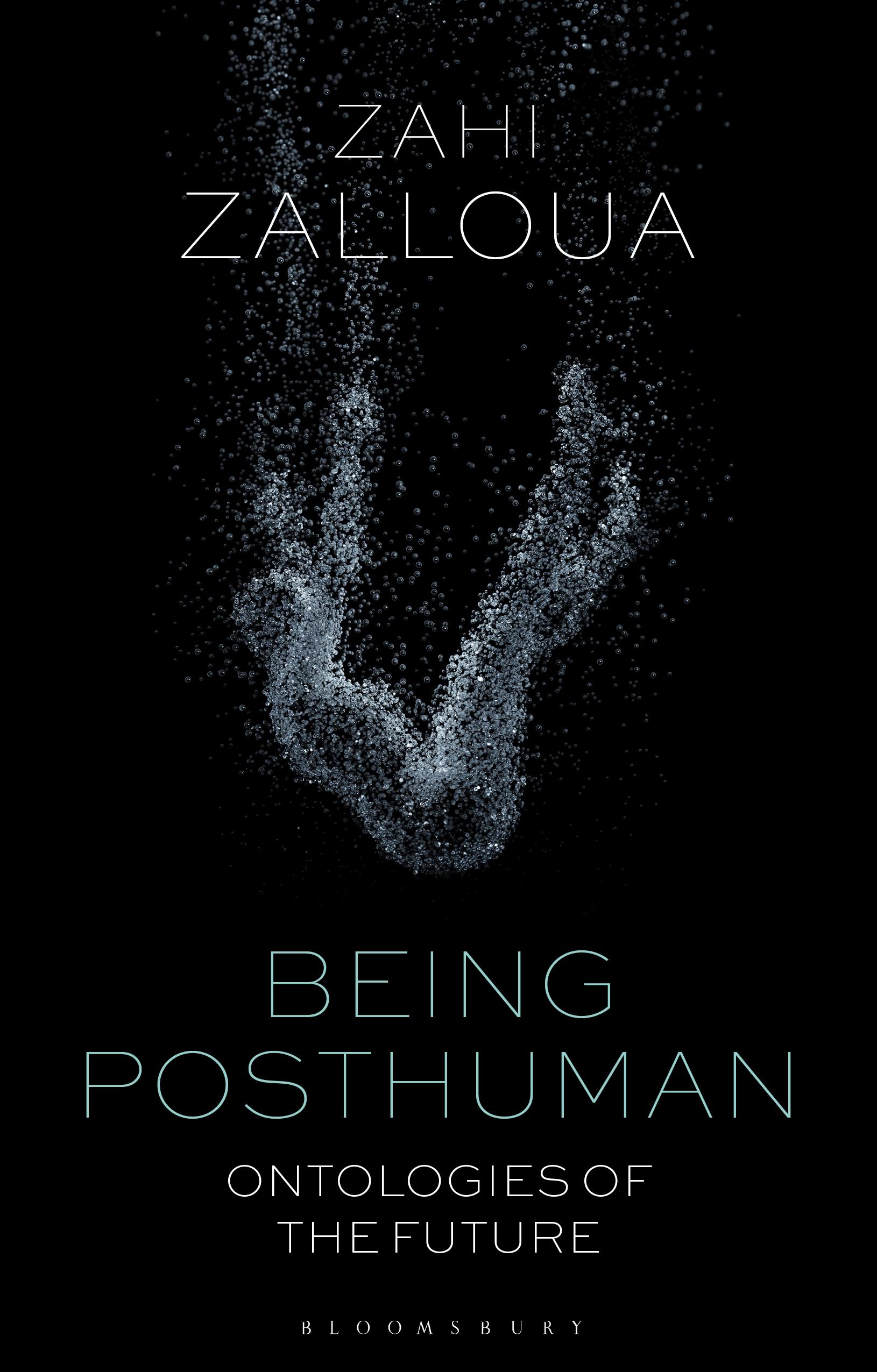
Posthumanism is both a descriptive and a prescriptive term. Firstly, it registers a shift beginning in the late 1960s and epitomized by Foucault's “the death of Man”. Secondly, it refers to the future and a new relationship with the non-human, along with a different understanding of human exceptionalism.
In Being Posthuman: Ontologies of the Future, Zahi Zalloua interrogates this future and shows that “post-” does not necessarily mean 'after' or that what comes after is more advanced than what has gone before. He pursues this line of inquiry across four distinct, yet interrelated, figures: cyborgs, animals, objects, and racialized and excluded 'others'. These figures disrupt the narrative of the 'human' and its singularity and by reading them together, Zalloua determines that it is only when posthumanist discourse is combined with psychoanalysis that subjectivity can be properly examined.
In Being Posthuman: Ontologies of the Future, Zahi Zalloua interrogates this future and shows that “post-” does not necessarily mean 'after' or that what comes after is more advanced than what has gone before. He pursues this line of inquiry across four distinct, yet interrelated, figures: cyborgs, animals, objects, and racialized and excluded 'others'. These figures disrupt the narrative of the 'human' and its singularity and by reading them together, Zalloua determines that it is only when posthumanist discourse is combined with psychoanalysis that subjectivity can be properly examined.
Betal enkelt med kort, Klarna, Apple Pay eller Google Pay. Ikke fornøyd? Du har alltid 14 dagers angrerett. Les mer i våre vilkår. Har du spørsmål, send oss en e-post på hello@memmo.org.
Memmo gjør det enklere å studere – uansett hvor du er i verden. Hos oss samler du pensumbøker og smarte studieverktøy på ett og samme sted: sammendrag, quizer, podkaster og flashcards. Og så Ted, din studiekompis som svarer på alt du lurer på. Over 50 000 studenter studerer allerede her – bygget for at du skal lære raskere og stresse mindre.