
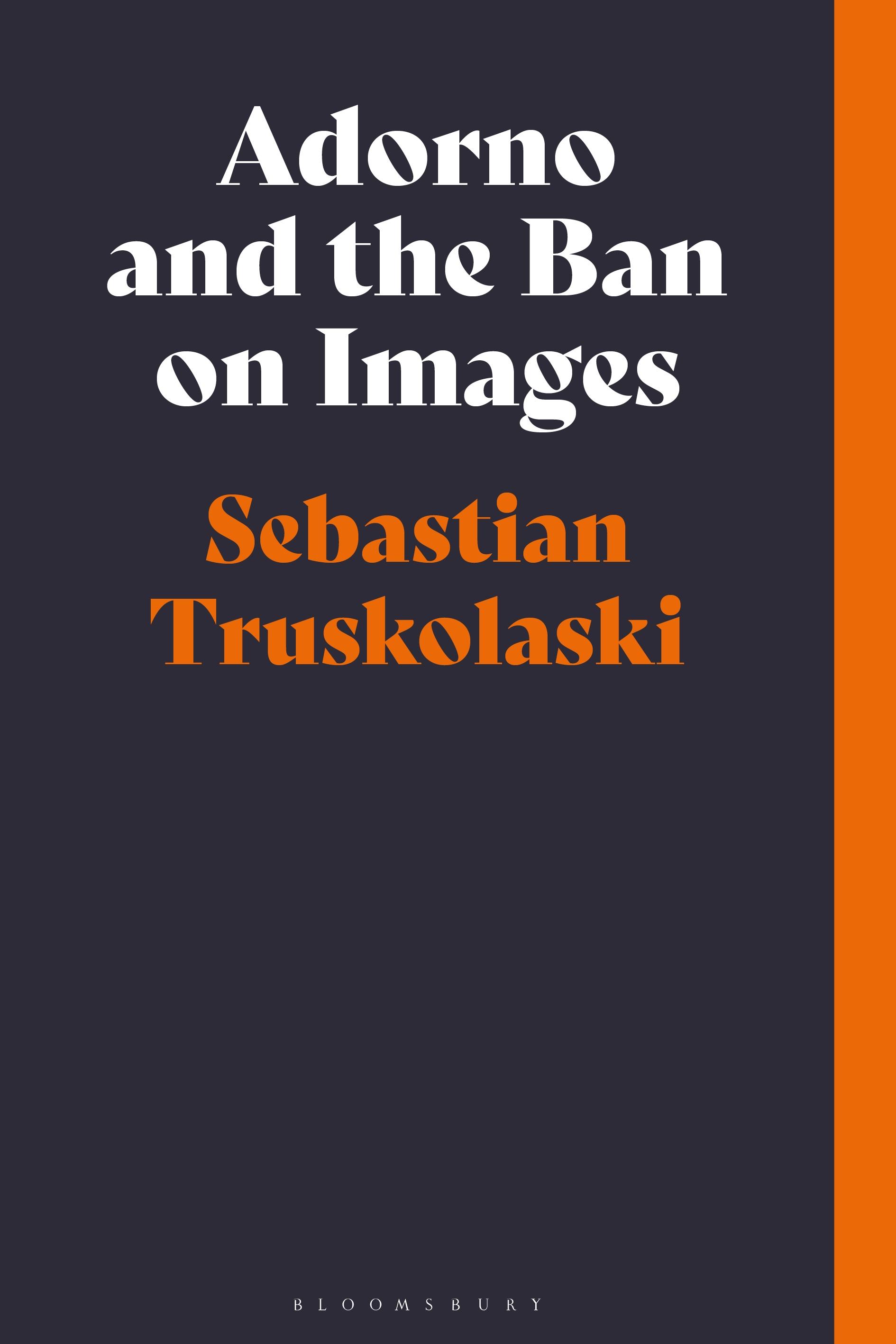
This book upends some of the myths that have come to surround the work of the philosopher Theodor W. Adorno – not least amongst them, his supposed fatalism.
Sebastian Truskolaski argues that Adorno's writings allow us to address what is arguably the central challenge of modern philosophy: how to picture a world beyond suffering and injustice without, at the same time, betraying its vital impulse. By re-appraising Adorno's writings on politics, philosophy, and art, this book reconstructs this notoriously difficult author's overall project from a radically new perspective (Adorno's famous 'standpoint of redemption'), and brings his central concerns to bear on the problems of today.
On the one hand, this means reading Adorno alongside his principal interlocutors (including Kant, Marx and Benjamin). On the other hand, it means asking how his secular brand of social criticism can serve to safeguard the image of a better world – above all, when the invocation of this image occurs alongside Adorno's recurrent reference to the Old Testament ban on making images of God.
By reading Adorno in this iconoclastic way, Adorno and the Ban on Images contributes to current debates about Utopia that have come to define political visions across the political spectrum.
Sebastian Truskolaski argues that Adorno's writings allow us to address what is arguably the central challenge of modern philosophy: how to picture a world beyond suffering and injustice without, at the same time, betraying its vital impulse. By re-appraising Adorno's writings on politics, philosophy, and art, this book reconstructs this notoriously difficult author's overall project from a radically new perspective (Adorno's famous 'standpoint of redemption'), and brings his central concerns to bear on the problems of today.
On the one hand, this means reading Adorno alongside his principal interlocutors (including Kant, Marx and Benjamin). On the other hand, it means asking how his secular brand of social criticism can serve to safeguard the image of a better world – above all, when the invocation of this image occurs alongside Adorno's recurrent reference to the Old Testament ban on making images of God.
By reading Adorno in this iconoclastic way, Adorno and the Ban on Images contributes to current debates about Utopia that have come to define political visions across the political spectrum.
Betal enkelt med kort, Klarna, Apple Pay eller Google Pay. Ikke fornøyd? Du har alltid 14 dagers angrerett. Les mer i våre vilkår. Har du spørsmål, send oss en e-post på hello@memmo.org.
Memmo gjør det enklere å studere – uansett hvor du er i verden. Hos oss samler du pensumbøker og smarte studieverktøy på ett og samme sted: sammendrag, quizer, podkaster og flashcards. Og så Ted, din studiekompis som svarer på alt du lurer på. Over 50 000 studenter studerer allerede her – bygget for at du skal lære raskere og stresse mindre.