
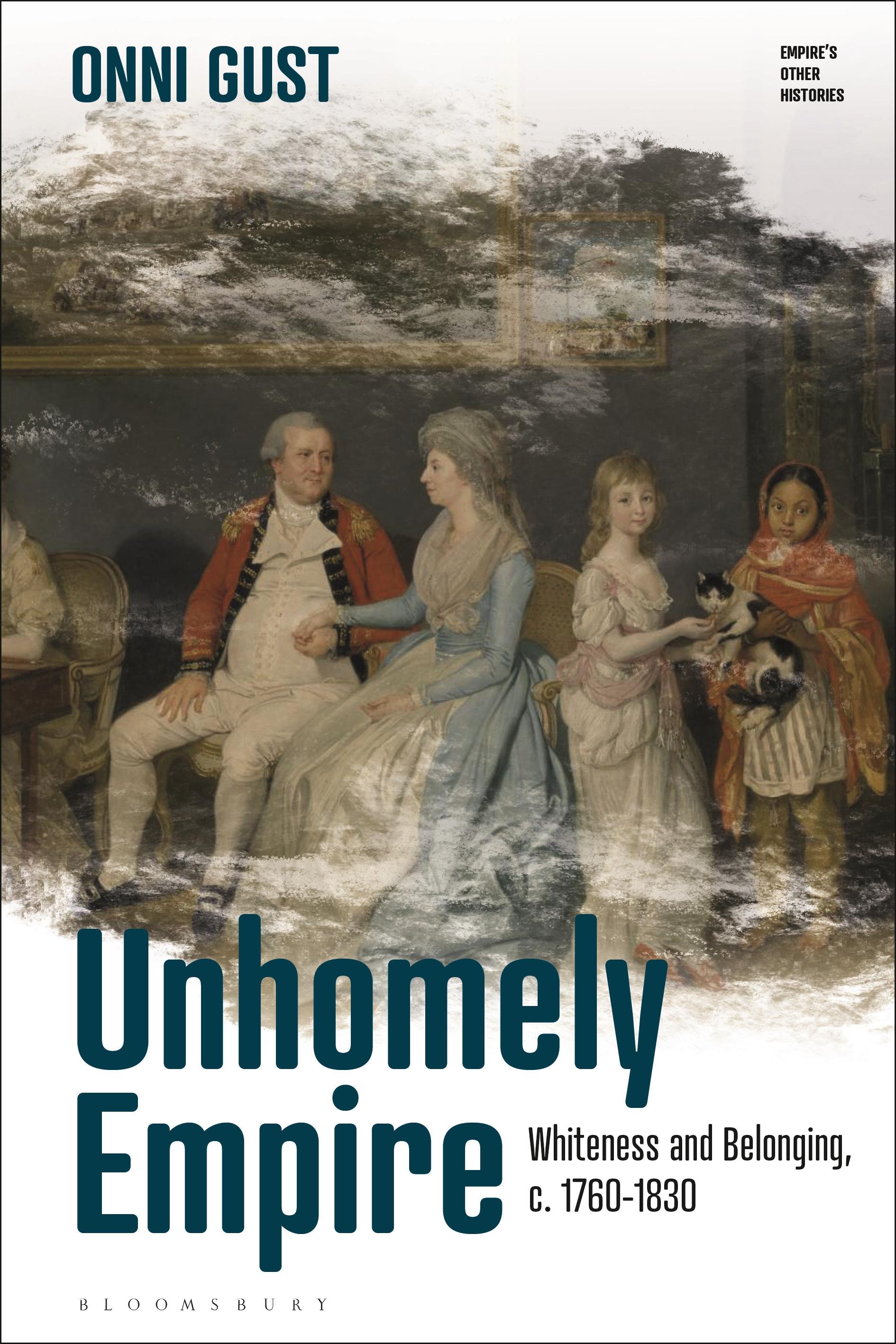
This book examines the role of Scottish Enlightenment ideas of belonging in the construction and circulation of white supremacist thought that sought to justify British imperial rule. During the 18th century, European imperial expansion radically increased population mobility through the forging of new trade routes, war, disease, enslavement and displacement. In this book, Onni Gust argues that this mass movement intersected with philosophical debates over what it meant to belong to a nation, civilization, and even humanity itself.
Unhomely Empire maps the consolidation of a Scottish Enlightenment discourse of 'home' and 'exile' through three inter-related case studies and debates; slavery and abolition in the Caribbean, Scottish Highland emigration to North America, and raising white girls in colonial India. Playing out over poetry, political pamphlets, travel writing, philosophy, letters and diaries, these debates offer a unique insight into the movement of ideas across a British imperial literary network. Using this rich cultural material, Gust argues that whiteness was central to 19th-century liberal imperialism's understanding of belonging, whilst emotional attachment and the perceived ability, or inability, to belong were key concepts in constructions of racial difference.
Unhomely Empire maps the consolidation of a Scottish Enlightenment discourse of 'home' and 'exile' through three inter-related case studies and debates; slavery and abolition in the Caribbean, Scottish Highland emigration to North America, and raising white girls in colonial India. Playing out over poetry, political pamphlets, travel writing, philosophy, letters and diaries, these debates offer a unique insight into the movement of ideas across a British imperial literary network. Using this rich cultural material, Gust argues that whiteness was central to 19th-century liberal imperialism's understanding of belonging, whilst emotional attachment and the perceived ability, or inability, to belong were key concepts in constructions of racial difference.
Sider: 248
Kategori: Kultur-, Genus- & Postkoloniala studier
e-ISBN: 9781350128538
Fraktvekt: 1.2 kg
Sendes innen: 1-2 dager
Betal enkelt med kort, Klarna, Apple Pay eller Google Pay. Ikke fornøyd? Du har alltid 14 dagers angrerett. Les mer i våre vilkår. Har du spørsmål, send oss en e-post på hello@memmo.org.
Memmo gjør det enklere å studere – uansett hvor du er i verden. Hos oss samler du pensumbøker og smarte studieverktøy på ett og samme sted: sammendrag, quizer, podkaster og flashcards. Og så Ted, din studiekompis som svarer på alt du lurer på. Over 50 000 studenter studerer allerede her – bygget for at du skal lære raskere og stresse mindre.