
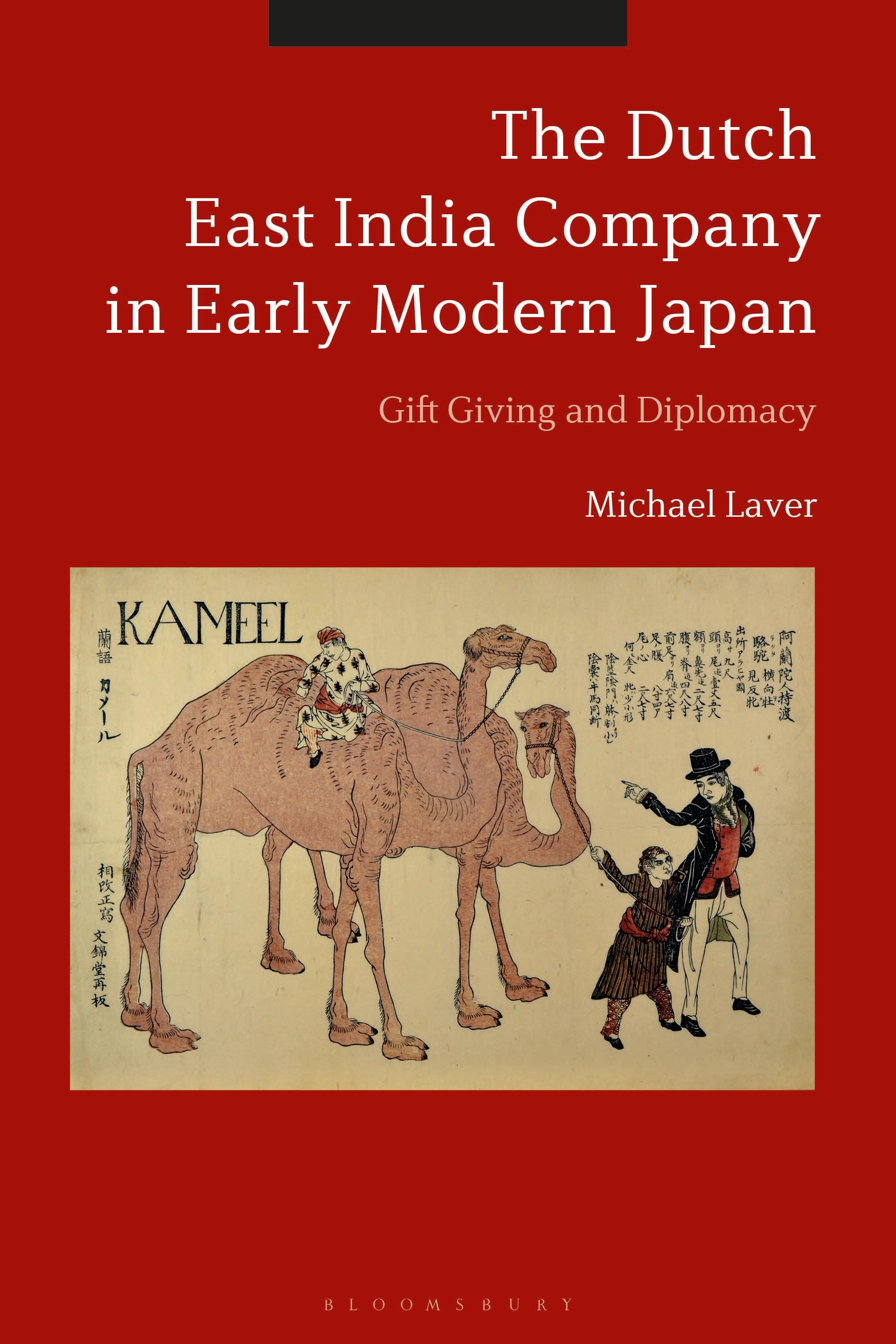
Michael Laver examines how the giving of exotic gifts in early modern Japan facilitated Dutch trade by ascribing legitimacy to the shogunal government and by playing into the shogun's desire to create a worldview centered on a Japanese tributary state. The book reveals how formal and informal gift exchange also created a smooth working relationship between the Dutch and the Japanese bureaucracy, allowing the politically charged issue of foreign trade to proceed relatively uninterrupted for over two centuries.
Based mainly on Dutch diaries and official Dutch East India Company records, as well as exhaustive secondary research conducted in Dutch, English, and Japanese, this new study fills an important gap in our knowledge of European-Japanese relations. It will also be of great interest to anyone studying the history of material culture and cross-cultural relations in a global context.
Based mainly on Dutch diaries and official Dutch East India Company records, as well as exhaustive secondary research conducted in Dutch, English, and Japanese, this new study fills an important gap in our knowledge of European-Japanese relations. It will also be of great interest to anyone studying the history of material culture and cross-cultural relations in a global context.
Betal enkelt med kort, Klarna, Apple Pay eller Google Pay. Ikke fornøyd? Du har alltid 14 dagers angrerett. Les mer i våre vilkår. Har du spørsmål, send oss en e-post på hello@memmo.org.
Memmo gjør det enklere å studere – uansett hvor du er i verden. Hos oss samler du pensumbøker og smarte studieverktøy på ett og samme sted: sammendrag, quizer, podkaster og flashcards. Og så Ted, din studiekompis som svarer på alt du lurer på. Over 50 000 studenter studerer allerede her – bygget for at du skal lære raskere og stresse mindre.