
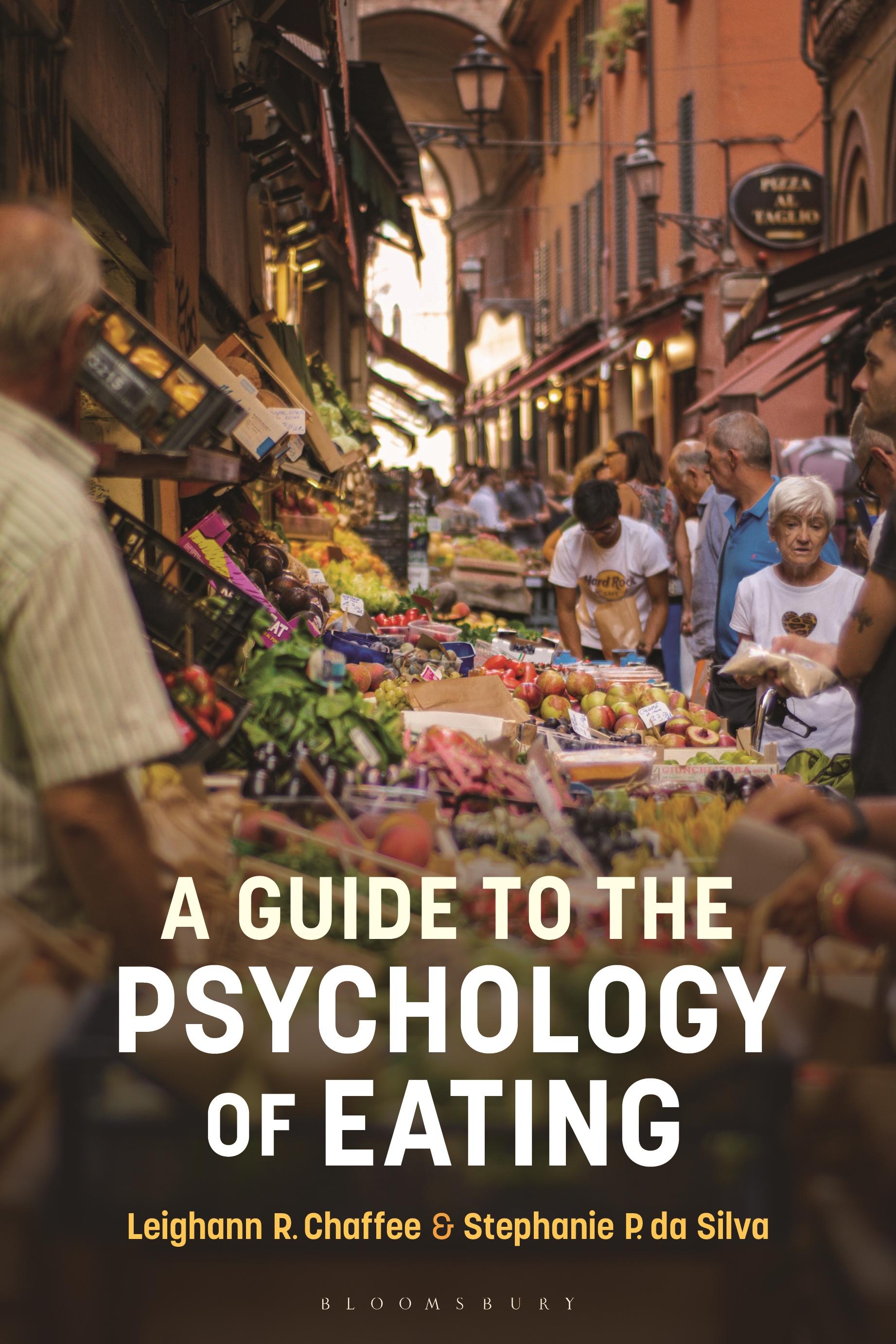
Why are spicy cuisines characteristic of hot climates? Does our stomach or our brain tell us when it is time to eat? And how do we decide if bugs are food? Employing a learner-centered approach, this introduction to the psychological mechanisms of consumption engages readers with questions and cross-cultural examples to promote critical analysis and evidence-based comprehension.
The discipline of psychology provides an important perspective to the study of eating, given the remarkable complexity of our food environments (including society and culture), eating habits, and relationships with food. As everything psychological is simultaneously biological, the role of evolutionary pressures and biopsychological forces are bases to explore complex processes within the book, such as sensation and perception, learning and cognition, and human development. The authors illuminate contemporary eating topics, including the scope and consequences of overnutrition, the aetiology of eating disorders, societal focus on dieting and body image, controversies in food policy, and culture-inspired cuisine. Supplemental resources and exercises are provided in a pedagogically-focused companion website.
The discipline of psychology provides an important perspective to the study of eating, given the remarkable complexity of our food environments (including society and culture), eating habits, and relationships with food. As everything psychological is simultaneously biological, the role of evolutionary pressures and biopsychological forces are bases to explore complex processes within the book, such as sensation and perception, learning and cognition, and human development. The authors illuminate contemporary eating topics, including the scope and consequences of overnutrition, the aetiology of eating disorders, societal focus on dieting and body image, controversies in food policy, and culture-inspired cuisine. Supplemental resources and exercises are provided in a pedagogically-focused companion website.
Betal enkelt med kort, Klarna, Apple Pay eller Google Pay. Ikke fornøyd? Du har alltid 14 dagers angrerett. Les mer i våre vilkår. Har du spørsmål, send oss en e-post på hello@memmo.org.
Memmo gjør det enklere å studere – uansett hvor du er i verden. Hos oss samler du pensumbøker og smarte studieverktøy på ett og samme sted: sammendrag, quizer, podkaster og flashcards. Og så Ted, din studiekompis som svarer på alt du lurer på. Over 50 000 studenter studerer allerede her – bygget for at du skal lære raskere og stresse mindre.