
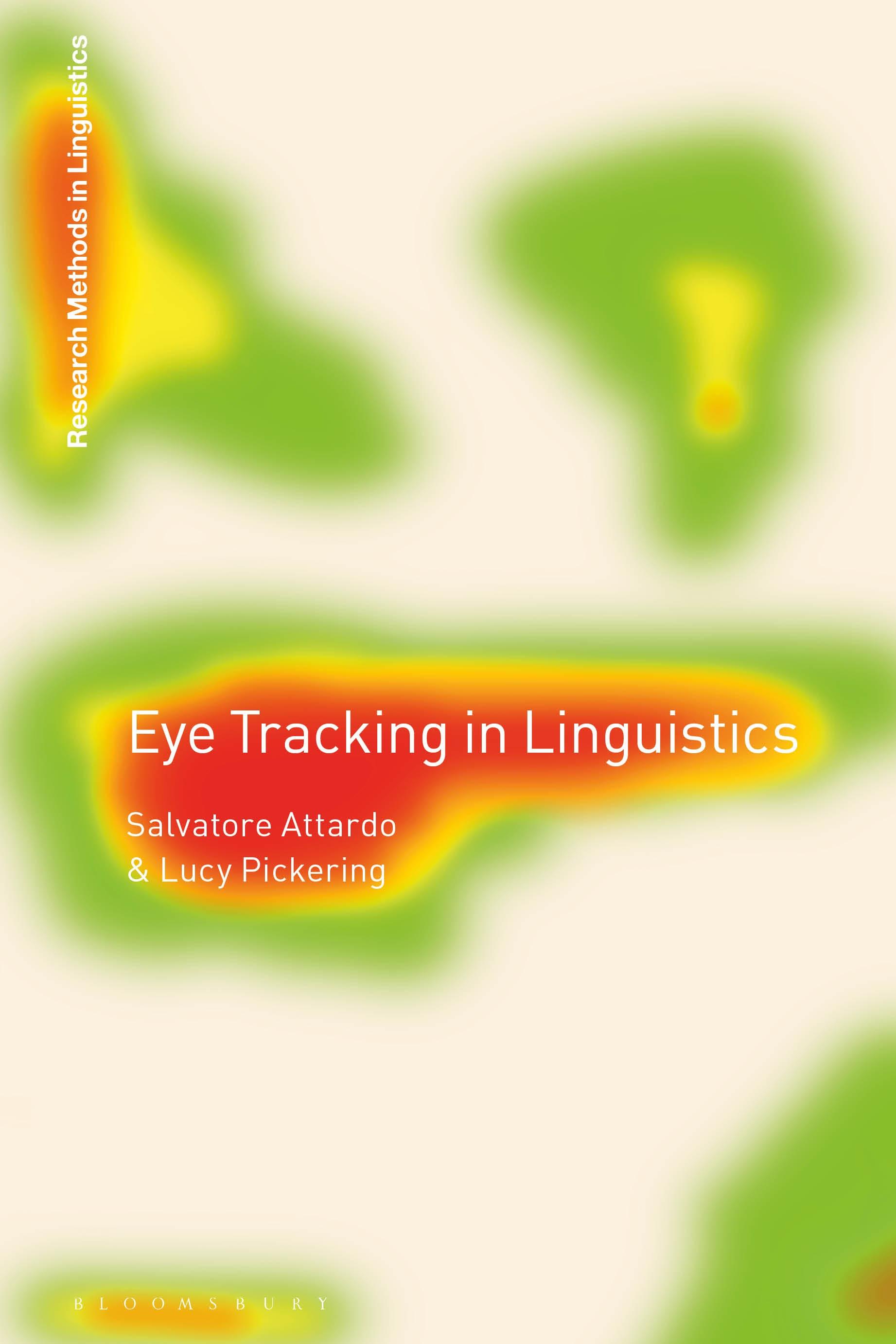
What is eye tracking? Why is it important for linguistics? How can I use it in my own research project?
Answering these questions and more, this book guides you through one of the most exciting and innovative research methods in the field of linguistics. Divided into three parts, the chapters first offer an historical introduction and a foundational overview to the neurology and physiology of the eye and the common measurements and tools used in eye tracking. They then provide a guide to the applications of eye tracking most pertinent to linguists (reading, the visual-world paradigm, social eye tracking, and classroom applications), followed by a step-by-step process to plan, execute, analyze and report your research project in eye tracking. The book covers topics such as reading, lexical and syntactic processing, mind wandering, second language acquisition, and AAC devices, and includes statistical tools and how to write up results. Each chapter also includes self-study questions and a range of applied case studies.
Supported by a glossary of key terms, suggestions for further reading, and material to aid self-study, Eye Tracking in Linguistics is the only book you need to provide a solid foundation for your own research project.
Answering these questions and more, this book guides you through one of the most exciting and innovative research methods in the field of linguistics. Divided into three parts, the chapters first offer an historical introduction and a foundational overview to the neurology and physiology of the eye and the common measurements and tools used in eye tracking. They then provide a guide to the applications of eye tracking most pertinent to linguists (reading, the visual-world paradigm, social eye tracking, and classroom applications), followed by a step-by-step process to plan, execute, analyze and report your research project in eye tracking. The book covers topics such as reading, lexical and syntactic processing, mind wandering, second language acquisition, and AAC devices, and includes statistical tools and how to write up results. Each chapter also includes self-study questions and a range of applied case studies.
Supported by a glossary of key terms, suggestions for further reading, and material to aid self-study, Eye Tracking in Linguistics is the only book you need to provide a solid foundation for your own research project.
Betal enkelt med kort, Klarna, Apple Pay eller Google Pay. Ikke fornøyd? Du har alltid 14 dagers angrerett. Les mer i våre vilkår. Har du spørsmål, send oss en e-post på hello@memmo.org.
Memmo gjør det enklere å studere – uansett hvor du er i verden. Hos oss samler du pensumbøker og smarte studieverktøy på ett og samme sted: sammendrag, quizer, podkaster og flashcards. Og så Ted, din studiekompis som svarer på alt du lurer på. Over 50 000 studenter studerer allerede her – bygget for at du skal lære raskere og stresse mindre.