
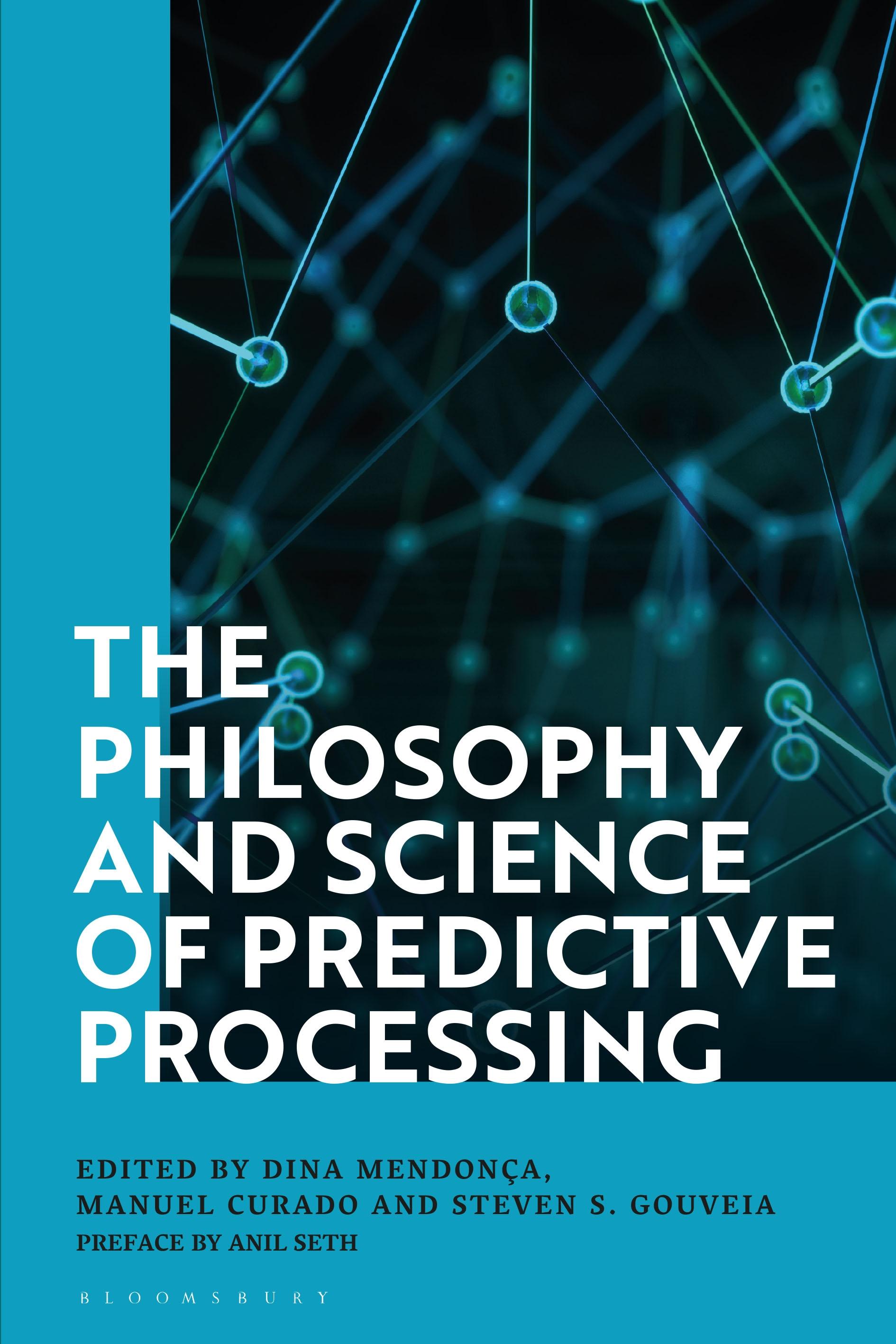
This book explores how predictive processing, which argues that our brains are constantly generating and updating hypotheses about our external conditions, sheds new light on the nature of the mind. It shows how it is similar to and expands other theoretical approaches that emphasize the active role of the mind and its dynamic function.
Offering a complete guide to the philosophical and empirical implications of predictive processing, contributors bring perspectives from philosophy, neuroscience, and psychology. Together, they explore the many philosophical applications of predictive processing and its exciting potential across mental health, cognitive science, neuroscience, and robotics.
Presenting an extensive and balanced overview of the subject, The Philosophy and Science of Predictive Processing is a landmark volume within philosophy of mind.
Offering a complete guide to the philosophical and empirical implications of predictive processing, contributors bring perspectives from philosophy, neuroscience, and psychology. Together, they explore the many philosophical applications of predictive processing and its exciting potential across mental health, cognitive science, neuroscience, and robotics.
Presenting an extensive and balanced overview of the subject, The Philosophy and Science of Predictive Processing is a landmark volume within philosophy of mind.
Betal enkelt med kort, Klarna, Apple Pay eller Google Pay. Ikke fornøyd? Du har alltid 14 dagers angrerett. Les mer i våre vilkår. Har du spørsmål, send oss en e-post på hello@memmo.org.
Memmo gjør det enklere å studere – uansett hvor du er i verden. Hos oss samler du pensumbøker og smarte studieverktøy på ett og samme sted: sammendrag, quizer, podkaster og flashcards. Og så Ted, din studiekompis som svarer på alt du lurer på. Over 50 000 studenter studerer allerede her – bygget for at du skal lære raskere og stresse mindre.