
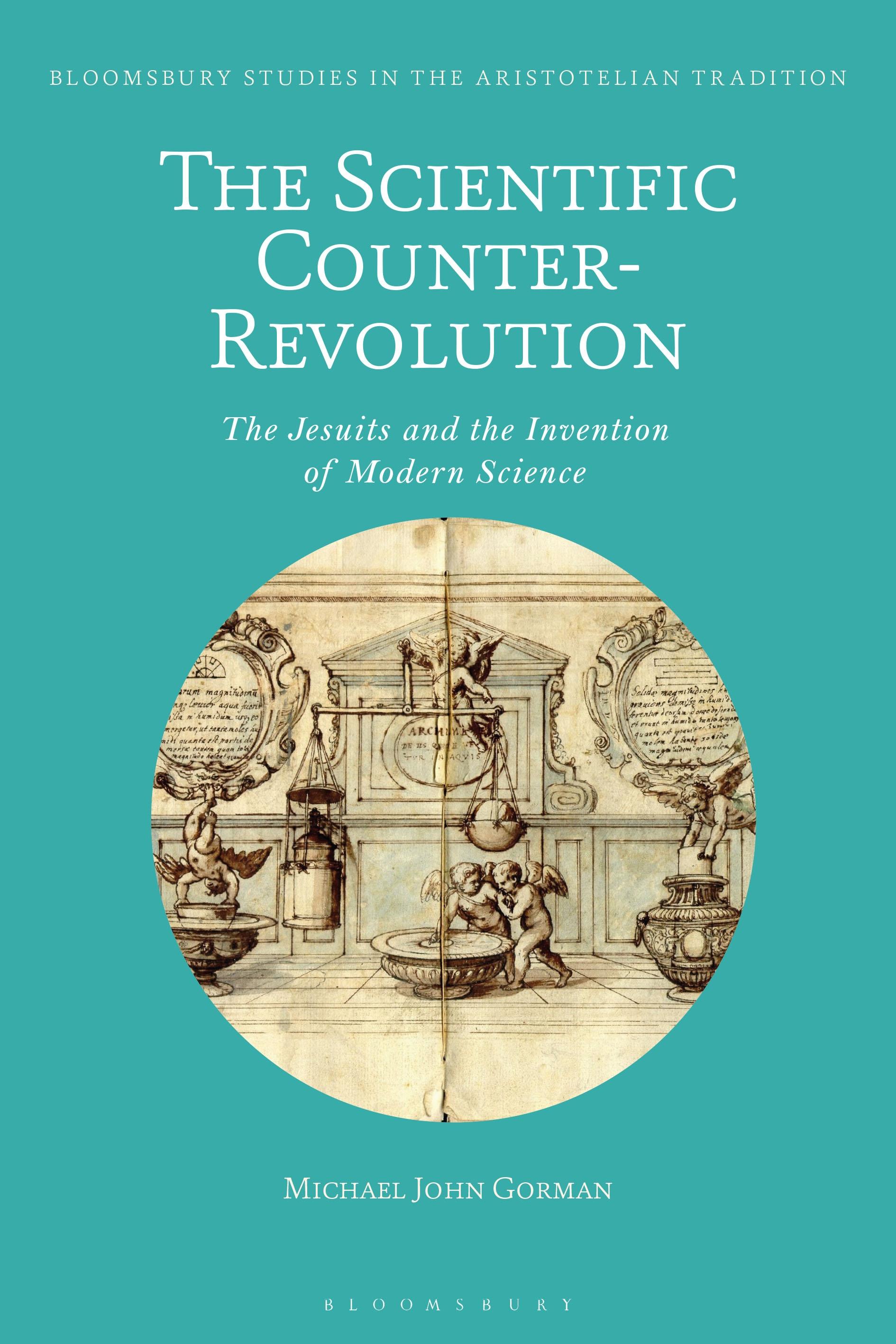
Jesuit engagement with natural philosophy during the late 16th and early 17th centuries transformed the status of the mathematical disciplines and propelled members of the Order into key areas of controversy in relation to Aristotelianism. Through close investigation of the activities of the Jesuit 'school' of mathematics founded by Christoph Clavius, The Scientific Counter-Revolution examines the Jesuit connections to the rise of experimental natural philosophy and the emergence of the early scientific societies.
Arguing for a re-evaluation of the role of Jesuits in shaping early modern science, this book traces the evolution of the Collegio Romano as a hub of knowledge. Starting with an examination of Clavius's Counter-Reformation agenda for mathematics, Michael John Gorman traces the development of a collective Jesuit approach to experimentation and observation under Christopher Grienberger and analyses the Jesuit role in the Galileo Affair and the vacuum debate. Ending with a discussion of the transformation of the Collegio Romano under Athanasius Kircher into a place of curiosity and wonder and the centre of a global information gathering network, this book reveals how the Counter-Reformation goals of the Jesuits contributed to the shaping of modern experimental science.
Arguing for a re-evaluation of the role of Jesuits in shaping early modern science, this book traces the evolution of the Collegio Romano as a hub of knowledge. Starting with an examination of Clavius's Counter-Reformation agenda for mathematics, Michael John Gorman traces the development of a collective Jesuit approach to experimentation and observation under Christopher Grienberger and analyses the Jesuit role in the Galileo Affair and the vacuum debate. Ending with a discussion of the transformation of the Collegio Romano under Athanasius Kircher into a place of curiosity and wonder and the centre of a global information gathering network, this book reveals how the Counter-Reformation goals of the Jesuits contributed to the shaping of modern experimental science.
Betal enkelt med kort, Klarna, Apple Pay eller Google Pay. Ikke fornøyd? Du har alltid 14 dagers angrerett. Les mer i våre vilkår. Har du spørsmål, send oss en e-post på hello@memmo.org.
Memmo gjør det enklere å studere – uansett hvor du er i verden. Hos oss samler du pensumbøker og smarte studieverktøy på ett og samme sted: sammendrag, quizer, podkaster og flashcards. Og så Ted, din studiekompis som svarer på alt du lurer på. Over 50 000 studenter studerer allerede her – bygget for at du skal lære raskere og stresse mindre.