
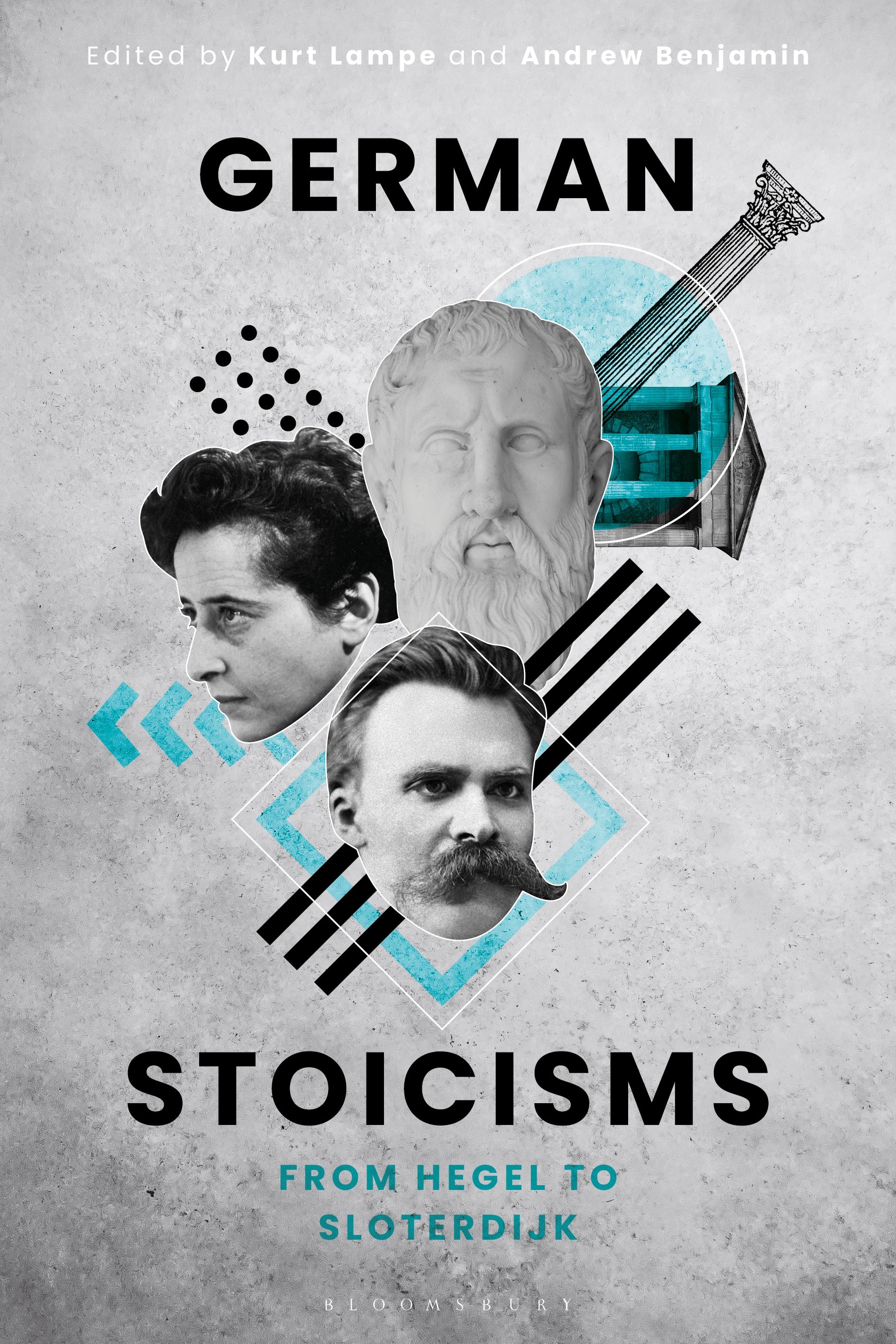
Stoicism has had a diverse reception in German philosophy. This is the first interpretive study of shared themes and dialogues between late nineteenth-century and twentieth-century experts on classical antiquity and philosophers. Assessing how modern philosophers have incorporated ancient resources with the context of German philosophy, chapters in this volume are devoted to philosophical giants such as Friedrich Nietzsche, Wilhelm Dilthey, Walter Benjamin, Martin Heidegger, Hannah Arendt, Hans Jonas, Hans Blumenberg, and Peter Sloterdijk. Among the ancient Stoics, the focus is on Seneca, Epictetus, and doxography, but reference will also be made to texts that have so far been neglected by non-specialists.
Often references to Stoic texts are playful, making it hard for non-specialists to reconstruct their understanding of the sources; by illuminating and enhancing the philosophical significance of these receptions, this book argues that they can change our understanding of Greek and Roman Stoic doctrines and authors, twentieth-century continental philosophy, and the themes which coordinate their ongoing dialogues. Some of these themes are surprising for Stoicism, such as the poetics of tragic drama and the anthropological foundations of hermeneutics. Others are already central to Stoic reception, such as the constitution of the subject in relation to various ethical, ecological, and metaphysical powers and processes; among these are contemplation and knowledge; identity and plurality; temporality, facticity, and fate; and personal, social, and planetary forms of self-cultivation and self-appropriation.
Addressing the need for a synoptic vision of related continental readings of Stoicism, this book brings ancient texts into new dialogues with up-to-date scholarship, facilitating increased understanding, critical evaluation, and creative innovation within the continental response to Stoicism.
Often references to Stoic texts are playful, making it hard for non-specialists to reconstruct their understanding of the sources; by illuminating and enhancing the philosophical significance of these receptions, this book argues that they can change our understanding of Greek and Roman Stoic doctrines and authors, twentieth-century continental philosophy, and the themes which coordinate their ongoing dialogues. Some of these themes are surprising for Stoicism, such as the poetics of tragic drama and the anthropological foundations of hermeneutics. Others are already central to Stoic reception, such as the constitution of the subject in relation to various ethical, ecological, and metaphysical powers and processes; among these are contemplation and knowledge; identity and plurality; temporality, facticity, and fate; and personal, social, and planetary forms of self-cultivation and self-appropriation.
Addressing the need for a synoptic vision of related continental readings of Stoicism, this book brings ancient texts into new dialogues with up-to-date scholarship, facilitating increased understanding, critical evaluation, and creative innovation within the continental response to Stoicism.
Betal enkelt med kort, Klarna, Apple Pay eller Google Pay. Ikke fornøyd? Du har alltid 14 dagers angrerett. Les mer i våre vilkår. Har du spørsmål, send oss en e-post på hello@memmo.org.
Memmo gjør det enklere å studere – uansett hvor du er i verden. Hos oss samler du pensumbøker og smarte studieverktøy på ett og samme sted: sammendrag, quizer, podkaster og flashcards. Og så Ted, din studiekompis som svarer på alt du lurer på. Over 50 000 studenter studerer allerede her – bygget for at du skal lære raskere og stresse mindre.