
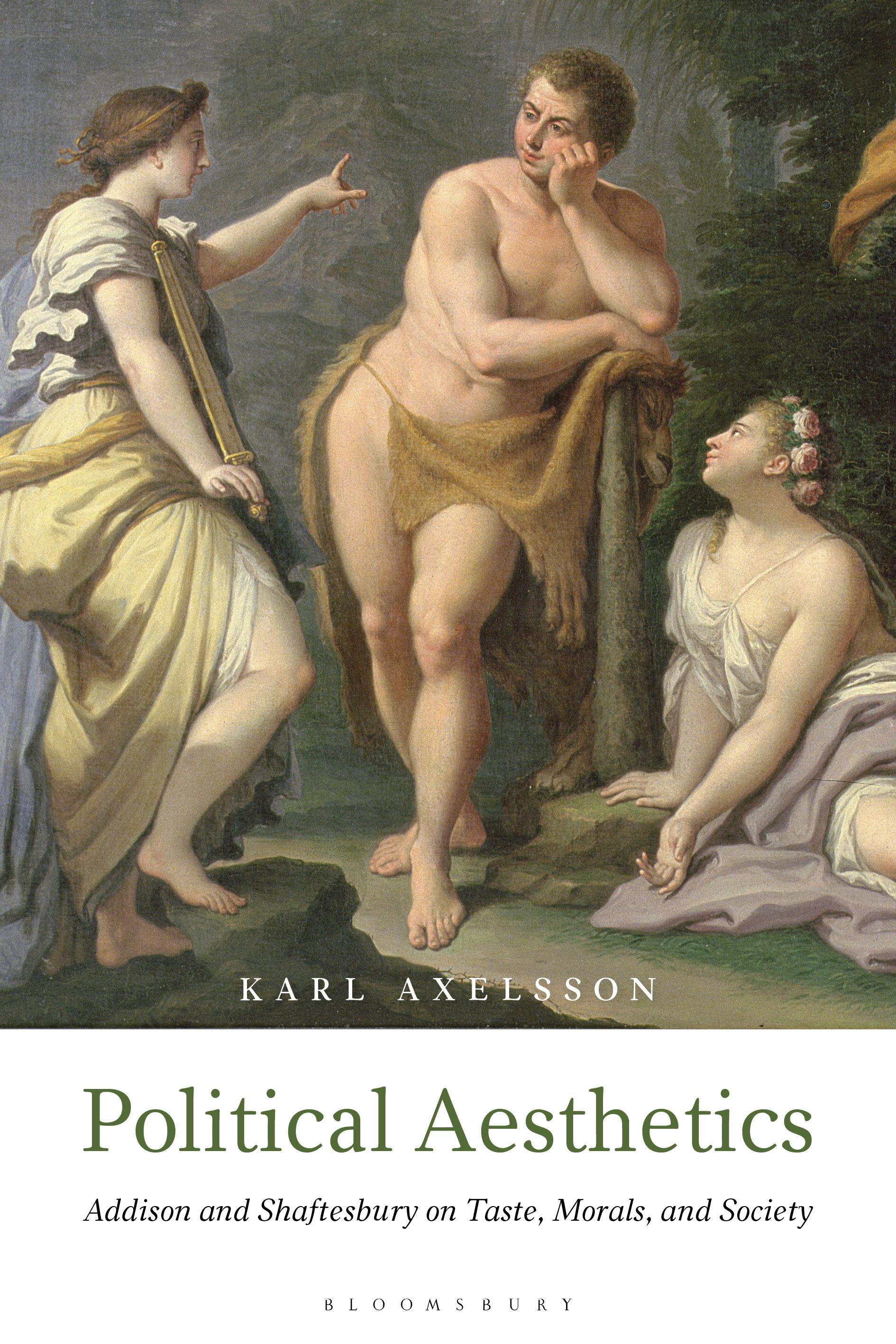
Providing a gateway to a new history of modern aesthetics, this book challenges conventional views of how art's significance developed in society.
The 18th century is often said to have involved a radical transformation in the concept of art: from the understanding that it has a practical purpose to the modern belief that it is intrinsically valuable. By exploring the ground between these notions of art's function, Karl Axelsson reveals how scholars of culture made taste, morals and a politically stable society integral to their claims about the experience of nature and art.
Focusing on writings by two of the most prolific men of letters in the 18th century, Joseph Addison (1672–1719) and the third Earl of Shaftesbury (1671–1713), Axelsson contests the conviction that modern aesthetic autonomy reoriented the criticism and philosophy originally prompted by these two key figures in the history of aesthetics.
By re-examining the political relevance of Addison and Shaftesbury's theories of taste, Axelsson shows that first and foremost they sought to fortify a natural link between aesthetic experience and modern political society.
The 18th century is often said to have involved a radical transformation in the concept of art: from the understanding that it has a practical purpose to the modern belief that it is intrinsically valuable. By exploring the ground between these notions of art's function, Karl Axelsson reveals how scholars of culture made taste, morals and a politically stable society integral to their claims about the experience of nature and art.
Focusing on writings by two of the most prolific men of letters in the 18th century, Joseph Addison (1672–1719) and the third Earl of Shaftesbury (1671–1713), Axelsson contests the conviction that modern aesthetic autonomy reoriented the criticism and philosophy originally prompted by these two key figures in the history of aesthetics.
By re-examining the political relevance of Addison and Shaftesbury's theories of taste, Axelsson shows that first and foremost they sought to fortify a natural link between aesthetic experience and modern political society.
Betal enkelt med kort, Klarna, Apple Pay eller Google Pay. Ikke fornøyd? Du har alltid 14 dagers angrerett. Les mer i våre vilkår. Har du spørsmål, send oss en e-post på hello@memmo.org.
Memmo gjør det enklere å studere – uansett hvor du er i verden. Hos oss samler du pensumbøker og smarte studieverktøy på ett og samme sted: sammendrag, quizer, podkaster og flashcards. Og så Ted, din studiekompis som svarer på alt du lurer på. Over 50 000 studenter studerer allerede her – bygget for at du skal lære raskere og stresse mindre.