
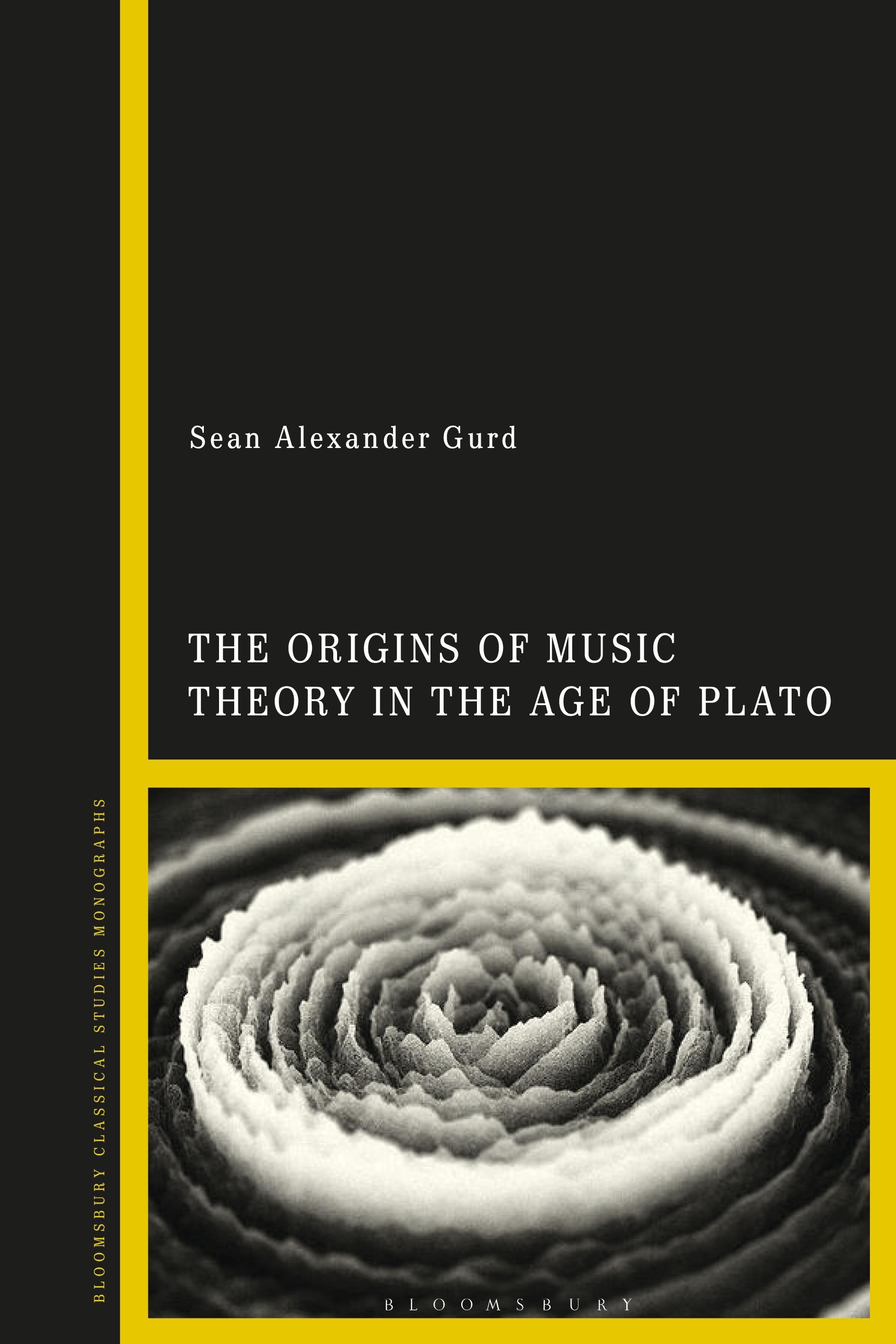
Listening is a social process. Even apparently trivial acts of listening are expert performances of acquired cognitive and bodily habits. Contemporary scholars acknowledge this fact with the notion that there are “auditory cultures.” In the fourth century BCE, Greek philosophers recognized a similar phenomenon in music, which they treated as a privileged site for the cultural manufacture of sensory capabilities, and proof that in a traditional culture perception could be ordered, regular, and reliable.
This approachable and elegantly written book tells the story of how music became a vital topic for understanding the senses and their role in the creation of knowledge. Focussing in particular on discussions of music and sensation in Plato and Aristoxenus, Sean Gurd explores a crucial early chapter in the history of hearing and gently raises critical questions about how aesthetic traditionalism and sensory certainty can be joined together in a mutually reinforcing symbiosis.
This approachable and elegantly written book tells the story of how music became a vital topic for understanding the senses and their role in the creation of knowledge. Focussing in particular on discussions of music and sensation in Plato and Aristoxenus, Sean Gurd explores a crucial early chapter in the history of hearing and gently raises critical questions about how aesthetic traditionalism and sensory certainty can be joined together in a mutually reinforcing symbiosis.
Betal enkelt med kort, Klarna, Apple Pay eller Google Pay. Ikke fornøyd? Du har alltid 14 dagers angrerett. Les mer i våre vilkår. Har du spørsmål, send oss en e-post på hello@memmo.org.
Memmo gjør det enklere å studere – uansett hvor du er i verden. Hos oss samler du pensumbøker og smarte studieverktøy på ett og samme sted: sammendrag, quizer, podkaster og flashcards. Og så Ted, din studiekompis som svarer på alt du lurer på. Over 50 000 studenter studerer allerede her – bygget for at du skal lære raskere og stresse mindre.