
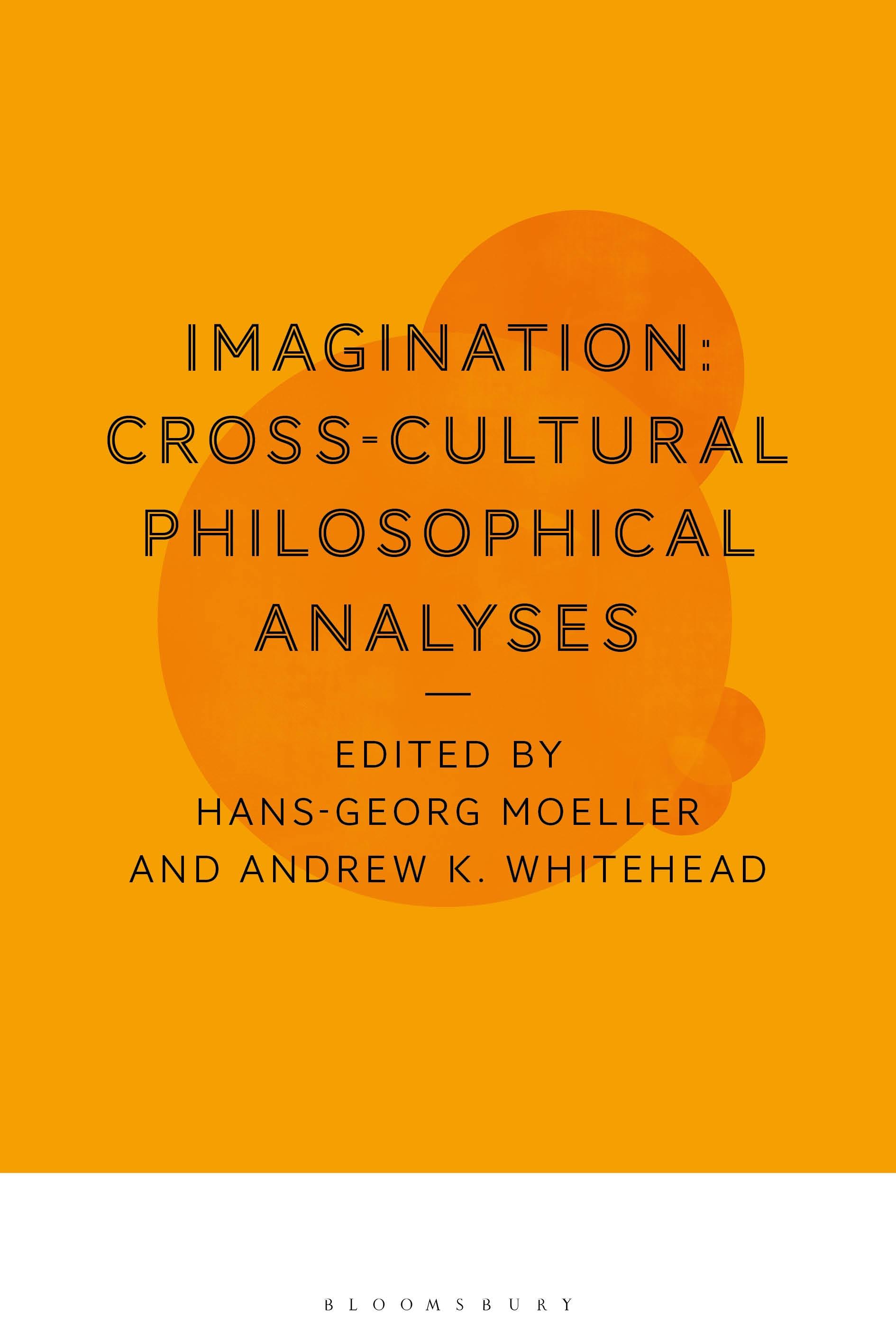
Imagination: Cross-Cultural Philosophical Analyses is a rare intercultural inquiry into the conceptions and functions of the imagination in contemporary philosophy.
Divided into East Asian, comparative, and post-comparative approaches, it brings together a leading team of philosophers to explore the concepts of the illusory and illusions, the development of fantastic narratives and metaphors, and the use of images and allegories across a broad range of traditions. Chapters discuss how imagination has been interpreted by thinkers such as Zhuangzi, Plato, Confucius, Heidegger, and Nietzsche.
By drawing on sources including Buddhist aesthetics, Daoism, and analytic philosophy of mind, this cross-cultural collection shows how the imagination can be an indispensable tool for the comparative philosopher, opening up new possibilities for intercultural dialogue and critical engagement.
Divided into East Asian, comparative, and post-comparative approaches, it brings together a leading team of philosophers to explore the concepts of the illusory and illusions, the development of fantastic narratives and metaphors, and the use of images and allegories across a broad range of traditions. Chapters discuss how imagination has been interpreted by thinkers such as Zhuangzi, Plato, Confucius, Heidegger, and Nietzsche.
By drawing on sources including Buddhist aesthetics, Daoism, and analytic philosophy of mind, this cross-cultural collection shows how the imagination can be an indispensable tool for the comparative philosopher, opening up new possibilities for intercultural dialogue and critical engagement.
Betal enkelt med kort, Klarna, Apple Pay eller Google Pay. Ikke fornøyd? Du har alltid 14 dagers angrerett. Les mer i våre vilkår. Har du spørsmål, send oss en e-post på hello@memmo.org.
Memmo gjør det enklere å studere – uansett hvor du er i verden. Hos oss samler du pensumbøker og smarte studieverktøy på ett og samme sted: sammendrag, quizer, podkaster og flashcards. Og så Ted, din studiekompis som svarer på alt du lurer på. Over 50 000 studenter studerer allerede her – bygget for at du skal lære raskere og stresse mindre.