
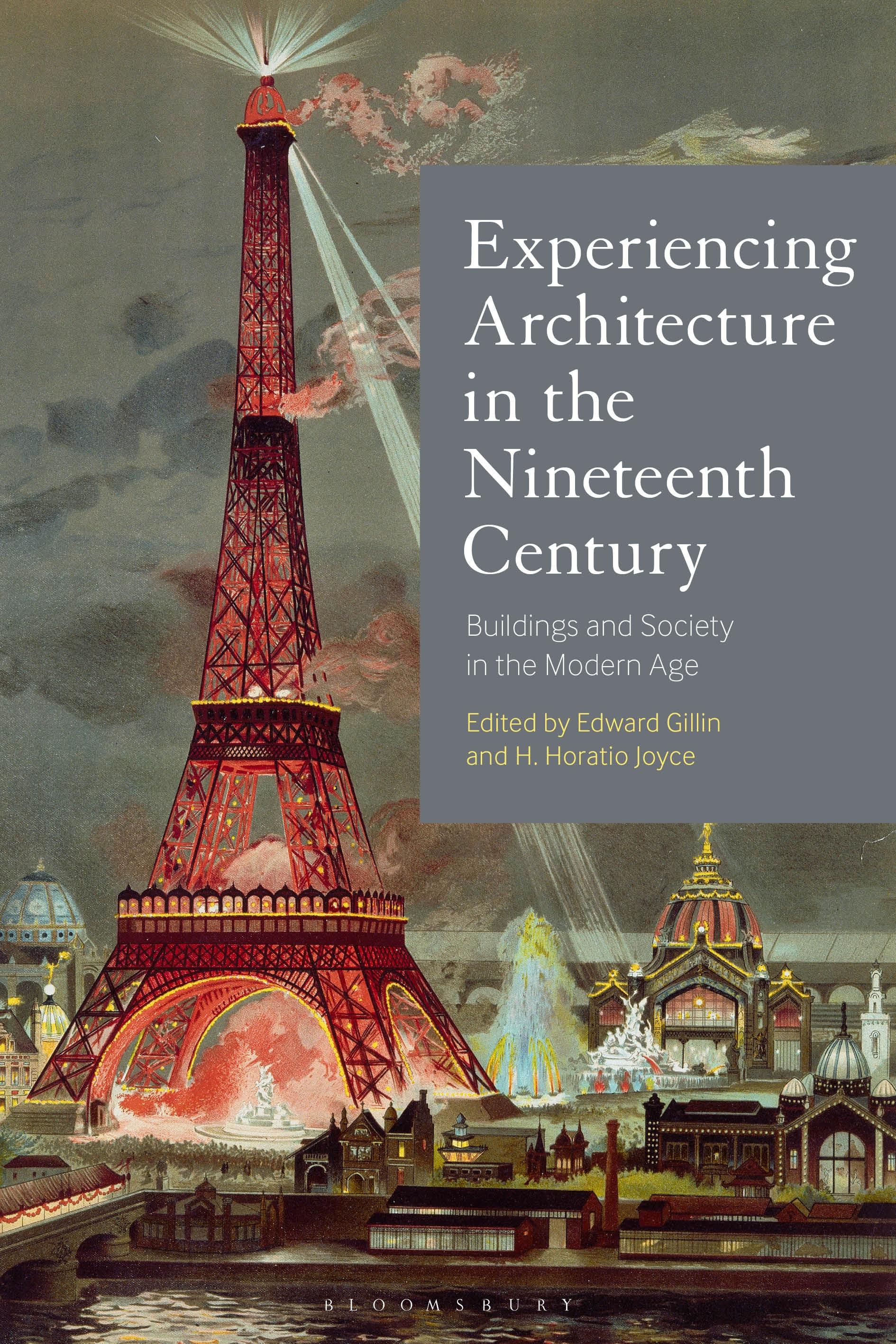
Bringing together fourteen original essays, this collection opens up new perspectives on the architectural history of the nineteenth century by examining the buildings of the period through the lens of 'experience'. With a focus on the experience of the ordinary building user – rather than simply on the intentions of the designer – the book shows that new and important insights can be brought to our understanding of Victorian architecture.
The chapters present a range of ideas and new research – some examining individual building case studies (from grand hotels and clubhouses in New York to the parliament buildings of Westminster), and others exploring conceptual questions about the nature of architectural experience, whether sensory or otherwise. Yet they share the premise that the idea of the 'experience of architecture' took on a new and particular significance with the rise of industrial modernity, and they examine what contemporary people – both architects and non-architects – understood by this idea.
The insights in this volume extend beyond the study of Victorian architecture. Together they suggest how 'experience' might be used as a framework to produce a more convincingly historical account of the artefacts of architectural history.
The chapters present a range of ideas and new research – some examining individual building case studies (from grand hotels and clubhouses in New York to the parliament buildings of Westminster), and others exploring conceptual questions about the nature of architectural experience, whether sensory or otherwise. Yet they share the premise that the idea of the 'experience of architecture' took on a new and particular significance with the rise of industrial modernity, and they examine what contemporary people – both architects and non-architects – understood by this idea.
The insights in this volume extend beyond the study of Victorian architecture. Together they suggest how 'experience' might be used as a framework to produce a more convincingly historical account of the artefacts of architectural history.
Betal enkelt med kort, Klarna, Apple Pay eller Google Pay. Ikke fornøyd? Du har alltid 14 dagers angrerett. Les mer i våre vilkår. Har du spørsmål, send oss en e-post på hello@memmo.org.
Memmo gjør det enklere å studere – uansett hvor du er i verden. Hos oss samler du pensumbøker og smarte studieverktøy på ett og samme sted: sammendrag, quizer, podkaster og flashcards. Og så Ted, din studiekompis som svarer på alt du lurer på. Over 50 000 studenter studerer allerede her – bygget for at du skal lære raskere og stresse mindre.