
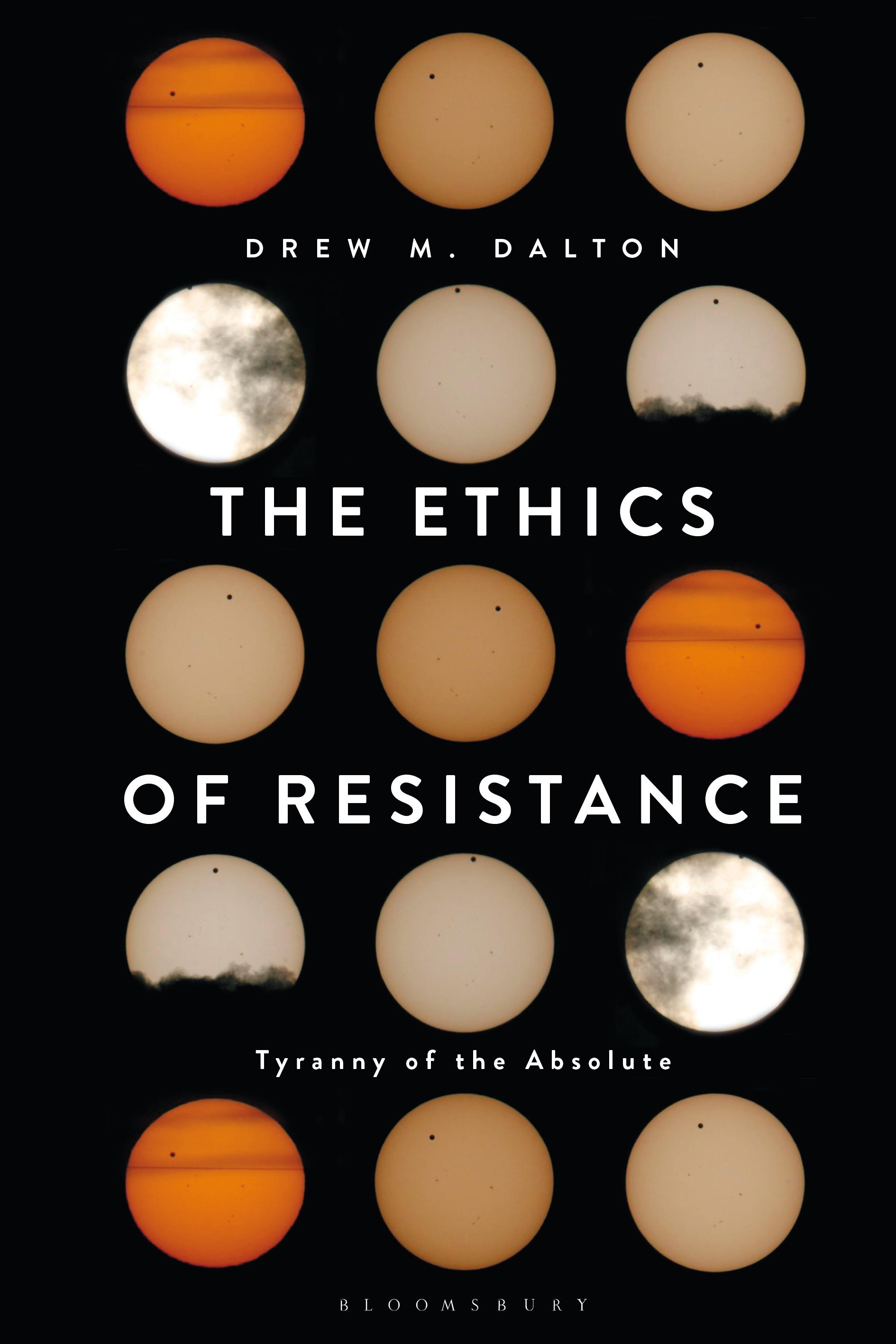
Opening a new debate on ethical reasoning after Kant, Drew Dalton addresses the problem of the absolute in ethical and political thought. Attacking the foundation of European philosophical morality, he critiques the idea that in order for ethical judgement to have any real power, it must attempt to discover and affirm some conception of the absolute good. Without rejecting the essential role the absolute plays within ethical reasoning, Dalton interrogates the assumed value of the absolute.
Dalton brings some of the most influential contemporary philosophical traditions into dialogue with each other: speculative realists like Badiou and Meillassoux; phenomenologists, including Husserl, Heidegger, and Levinas; German Idealists, especially Kant and Schelling; psychoanalysts Freud and Lacan; and finally, post-structuralists, specifically Foucault, Deleuze, and Ranciere. The relevance of these thinkers to concrete socio-political problems is shown through reflections on the Holocaust, suicide bombings, the rise of neo-liberalism and neo-nationalism, as well as rampant consumerism and racism.
This book re-defines ethical reasoning as that which refuses absolutes and resists what Milton's devil in Paradise Lost called the “tyranny of heaven.” Against traditional ethical reasoning, Dalton sees evil not as a moral failure, but as the result of an all too easy assent to the absolute; an assent which can only be countered through active resistance. For Dalton, resistance to the absolute is the sole channel through which the good can be defined.
Dalton brings some of the most influential contemporary philosophical traditions into dialogue with each other: speculative realists like Badiou and Meillassoux; phenomenologists, including Husserl, Heidegger, and Levinas; German Idealists, especially Kant and Schelling; psychoanalysts Freud and Lacan; and finally, post-structuralists, specifically Foucault, Deleuze, and Ranciere. The relevance of these thinkers to concrete socio-political problems is shown through reflections on the Holocaust, suicide bombings, the rise of neo-liberalism and neo-nationalism, as well as rampant consumerism and racism.
This book re-defines ethical reasoning as that which refuses absolutes and resists what Milton's devil in Paradise Lost called the “tyranny of heaven.” Against traditional ethical reasoning, Dalton sees evil not as a moral failure, but as the result of an all too easy assent to the absolute; an assent which can only be countered through active resistance. For Dalton, resistance to the absolute is the sole channel through which the good can be defined.
Betal enkelt med kort, Klarna, Apple Pay eller Google Pay. Ikke fornøyd? Du har alltid 14 dagers angrerett. Les mer i våre vilkår. Har du spørsmål, send oss en e-post på hello@memmo.org.
Memmo gjør det enklere å studere – uansett hvor du er i verden. Hos oss samler du pensumbøker og smarte studieverktøy på ett og samme sted: sammendrag, quizer, podkaster og flashcards. Og så Ted, din studiekompis som svarer på alt du lurer på. Over 50 000 studenter studerer allerede her – bygget for at du skal lære raskere og stresse mindre.