
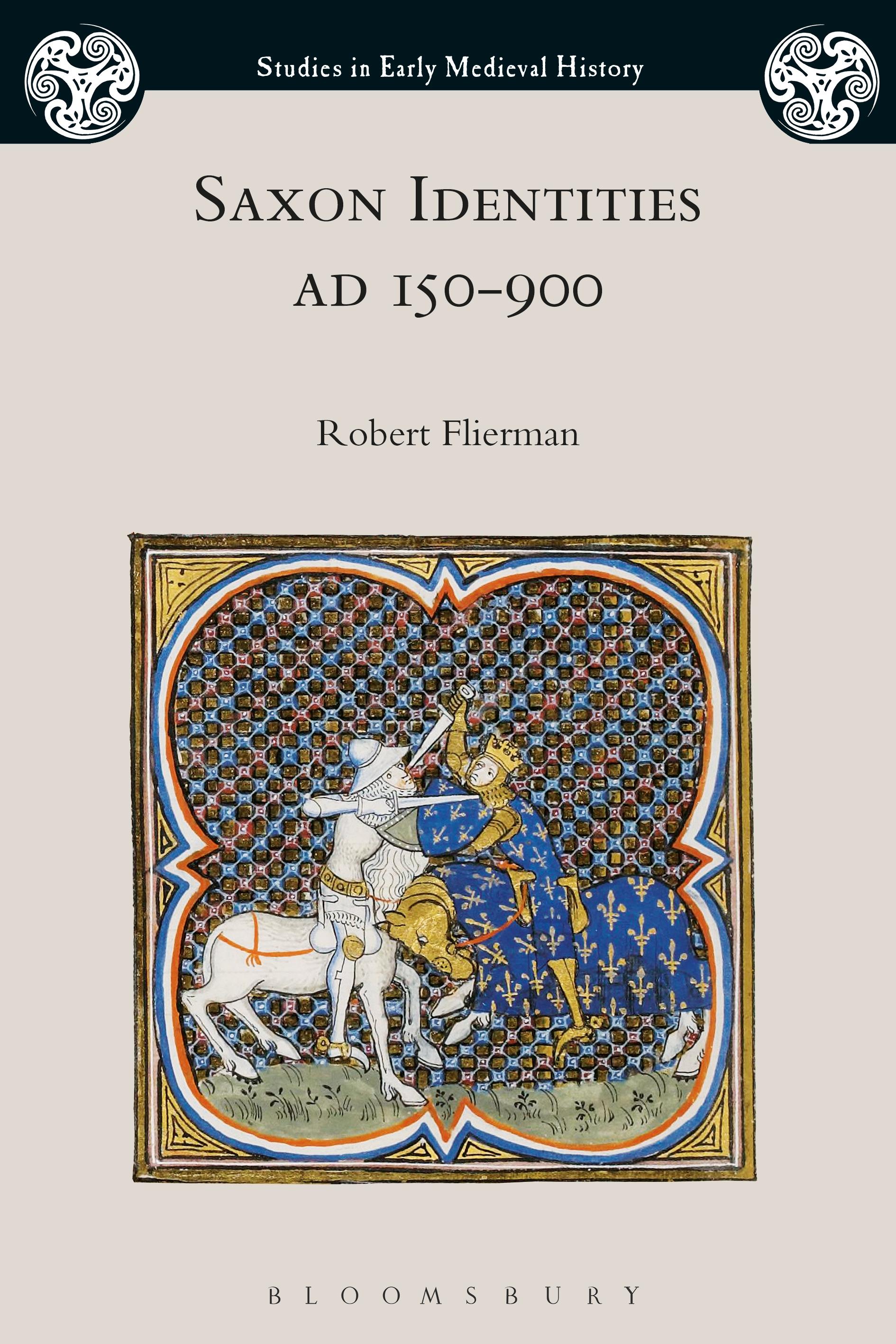
This study is the first up-to-date comprehensive analysis of Continental Saxon identity in antiquity and the early middle ages. Building on recent scholarship on barbarian ethnicity, this study emphasises not just the constructed and open-ended nature of Saxon identity, but also the crucial role played by texts as instruments and resources of identity-formation. This book traces this process of identity-formation over the course of eight centuries, from its earliest beginnings in Roman ethnography to its reinvention in the monasteries and bishoprics of ninth-century Saxony.
Though the Saxons were mentioned as early as AD 150, they left no written evidence of their own before c. 840. Thus, for the first seven centuries, we can only look at the Saxons through the eyes of their Roman enemies, Merovingian neighbours and Carolingian conquerors. Such external perspectives do not yield objective descriptions of a people, but rather reflect an ongoing discourse on Saxon identity, in which outside authors described who they imagined, wanted or feared the Saxons to be: dangerous pirates, noble savages, bestial pagans or faithful subjects. Significantly, these outside views deeply influenced how ninth-century Saxons eventually came to think about themselves, using Roman and Frankish texts to reinvent the Saxons as a noble and Christian people.
Though the Saxons were mentioned as early as AD 150, they left no written evidence of their own before c. 840. Thus, for the first seven centuries, we can only look at the Saxons through the eyes of their Roman enemies, Merovingian neighbours and Carolingian conquerors. Such external perspectives do not yield objective descriptions of a people, but rather reflect an ongoing discourse on Saxon identity, in which outside authors described who they imagined, wanted or feared the Saxons to be: dangerous pirates, noble savages, bestial pagans or faithful subjects. Significantly, these outside views deeply influenced how ninth-century Saxons eventually came to think about themselves, using Roman and Frankish texts to reinvent the Saxons as a noble and Christian people.
Betal enkelt med kort, Klarna, Apple Pay eller Google Pay. Ikke fornøyd? Du har alltid 14 dagers angrerett. Les mer i våre vilkår. Har du spørsmål, send oss en e-post på hello@memmo.org.
Memmo gjør det enklere å studere – uansett hvor du er i verden. Hos oss samler du pensumbøker og smarte studieverktøy på ett og samme sted: sammendrag, quizer, podkaster og flashcards. Og så Ted, din studiekompis som svarer på alt du lurer på. Over 50 000 studenter studerer allerede her – bygget for at du skal lære raskere og stresse mindre.