
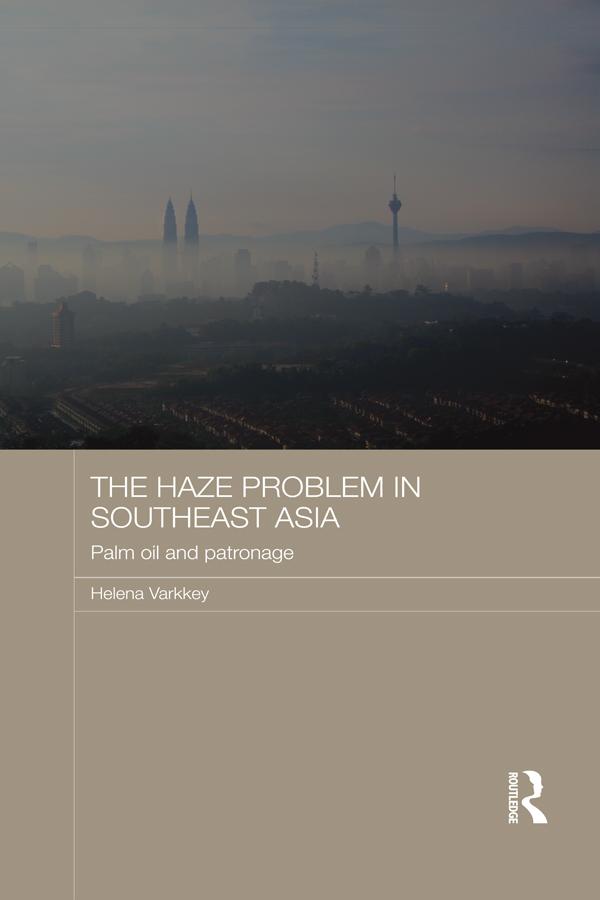
Despite the efforts of Southeast Asian governments and of ASEAN, transboundary haze continues to be a major environmental problem in Southeast Asia. This book demonstrates that the issue is complex, and explains why efforts to solve the problem in purely political terms are ineffective, and likely to continue to be ineffective. The book shows how state-led, state-incentivised agribusiness development lies at the heart of the problem, leading to a large rise in palm oil production, with extensive clearing of forests, leading to deliberate or accidental fires and the resulting haze. Moreover, although the forest clearing is occurring in Indonesia, many of the companies involved are Malaysian and Singaporean; and, further, many of these companies have close relationships with the politicians and officials responsible for addressing the problem and who thereby have a conflict of interest. The author concludes by discussing the huge difficulties involved in overturning this system of 'patronage politics'.
Betal enkelt med kort, Klarna, Apple Pay eller Google Pay. Ikke fornøyd? Du har alltid 14 dagers angrerett. Les mer i våre vilkår. Har du spørsmål, send oss en e-post på hello@memmo.org.
Memmo gjør det enklere å studere – uansett hvor du er i verden. Hos oss samler du pensumbøker og smarte studieverktøy på ett og samme sted: sammendrag, quizer, podkaster og flashcards. Og så Ted, din studiekompis som svarer på alt du lurer på. Over 50 000 studenter studerer allerede her – bygget for at du skal lære raskere og stresse mindre.