
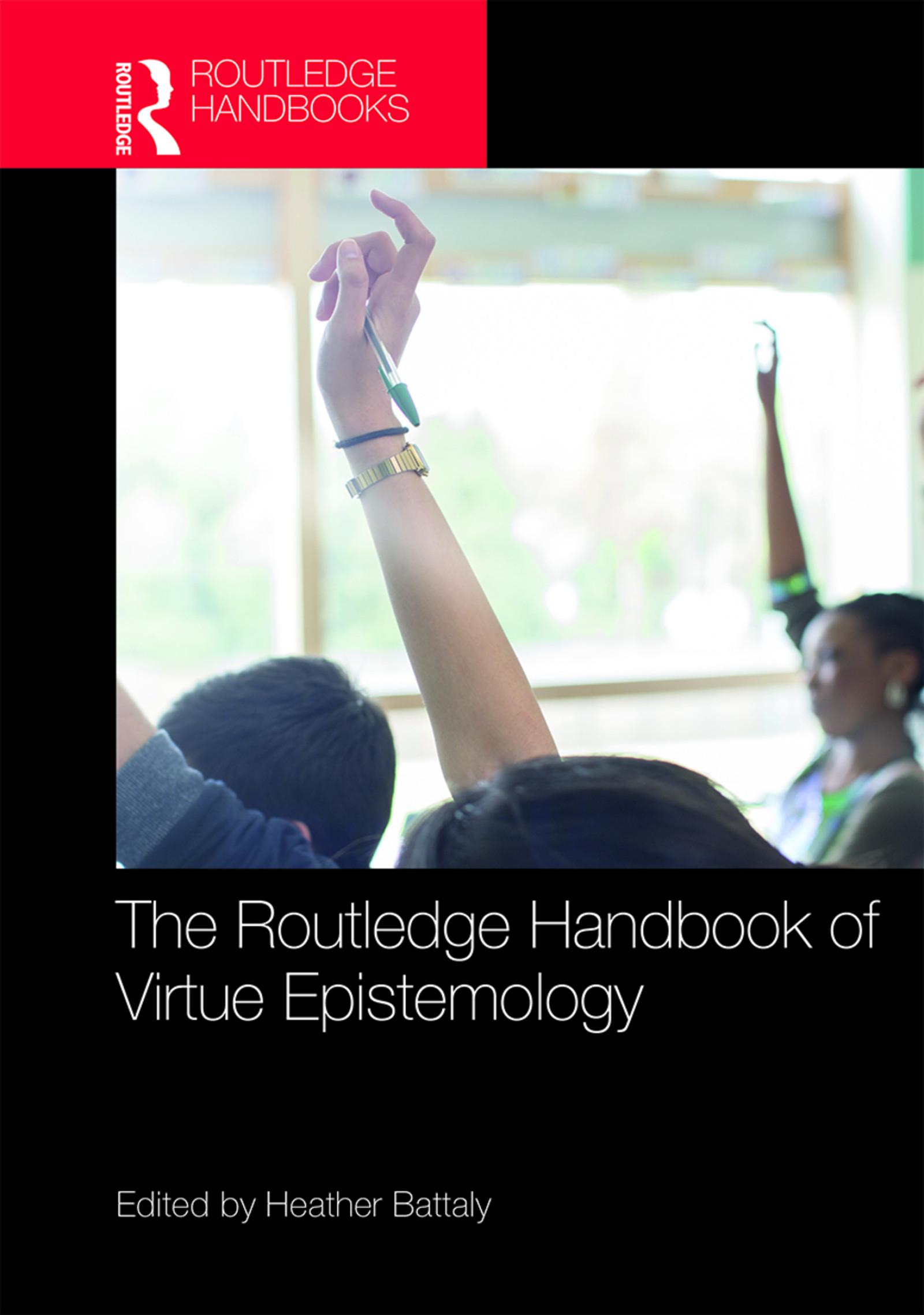
What is an epistemic virtue? Are epistemic virtues reliable? Are they motivated by a love of truth? Do epistemic virtues produce knowledge and understanding? How can we develop epistemic virtues? The Routledge Handbook of Virtue Epistemology answers all of these questions. This landmark volume provides a pluralistic and comprehensive picture of the field of virtue epistemology. It is the first large-scale volume of its kind on the topic. Composed of 41 chapters, all published here for the first time, it breaks new ground in four areas.
- It articulates the structure and features of epistemic virtues.
- It provides in-depth analyses of 10 individual epistemic virtues.
- It examines the connections between epistemic virtue, knowledge, and understanding.
- It applies virtue epistemology, and explores its impact on related fields.
The contributing authors are pioneers in the study of epistemic virtue. This volume is an outstanding resource for students and scholars in philosophy, as well as researchers in intersecting fields, including education, psychology, political science, and women’s studies.
Betal enkelt med kort, Klarna, Apple Pay eller Google Pay. Ikke fornøyd? Du har alltid 14 dagers angrerett. Les mer i våre vilkår. Har du spørsmål, send oss en e-post på hello@memmo.org.
Memmo gjør det enklere å studere – uansett hvor du er i verden. Hos oss samler du pensumbøker og smarte studieverktøy på ett og samme sted: sammendrag, quizer, podkaster og flashcards. Og så Ted, din studiekompis som svarer på alt du lurer på. Over 50 000 studenter studerer allerede her – bygget for at du skal lære raskere og stresse mindre.