
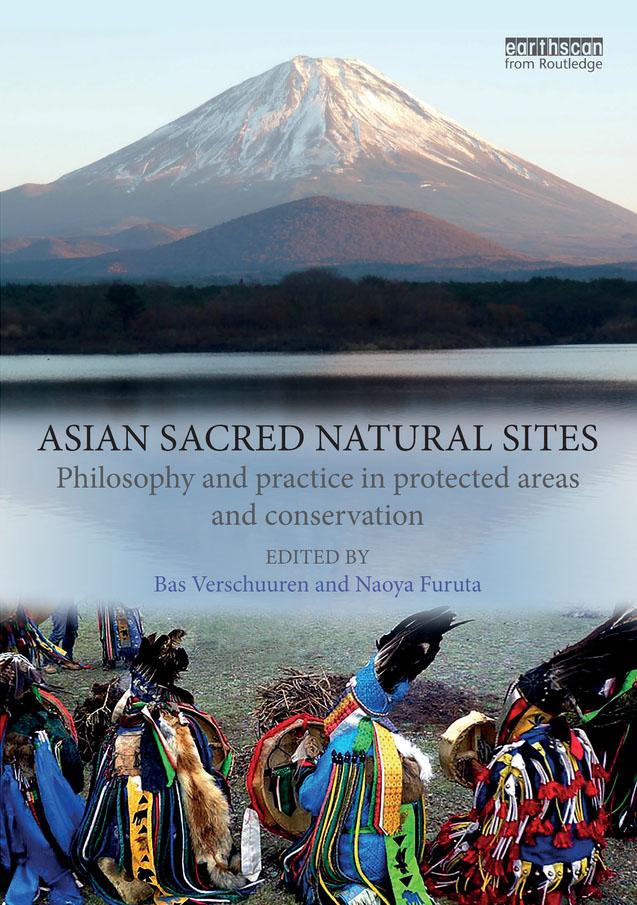
Nature conservation planning tends to be driven by models based on Western norms and science, but these may not represent the cultural, philosophical and religious contexts of much of Asia. This book provides a new perspective on the topic of sacred natural sites and cultural heritage by linking Asian cultures, religions and worldviews with contemporary conservation practices and approaches.
The chapters focus on the modern significance of sacred natural sites in Asian protected areas with reference, where appropriate, to an Asian philosophy of protected areas. Drawn from over 20 different countries, the book covers examples of sacred natural sites from all of IUCN’s protected area categories and governance types. The authors demonstrate the challenges faced to maintain culture and support spiritual and religious governance and management structures in the face of strong modernisation across Asia.
The book shows how sacred natural sites contribute to defining new, more sustainable and more equitable forms of protected areas and conservation that reflect the worldviews and beliefs of their respective cultures and religions. The book contributes to a paradigm-shift in conservation and protected areas as it advocates for greater recognition of culture and spirituality through the adoption of biocultural conservation approaches.
Betal enkelt med kort, Klarna, Apple Pay eller Google Pay. Ikke fornøyd? Du har alltid 14 dagers angrerett. Les mer i våre vilkår. Har du spørsmål, send oss en e-post på hello@memmo.org.
Memmo gjør det enklere å studere – uansett hvor du er i verden. Hos oss samler du pensumbøker og smarte studieverktøy på ett og samme sted: sammendrag, quizer, podkaster og flashcards. Og så Ted, din studiekompis som svarer på alt du lurer på. Over 50 000 studenter studerer allerede her – bygget for at du skal lære raskere og stresse mindre.