
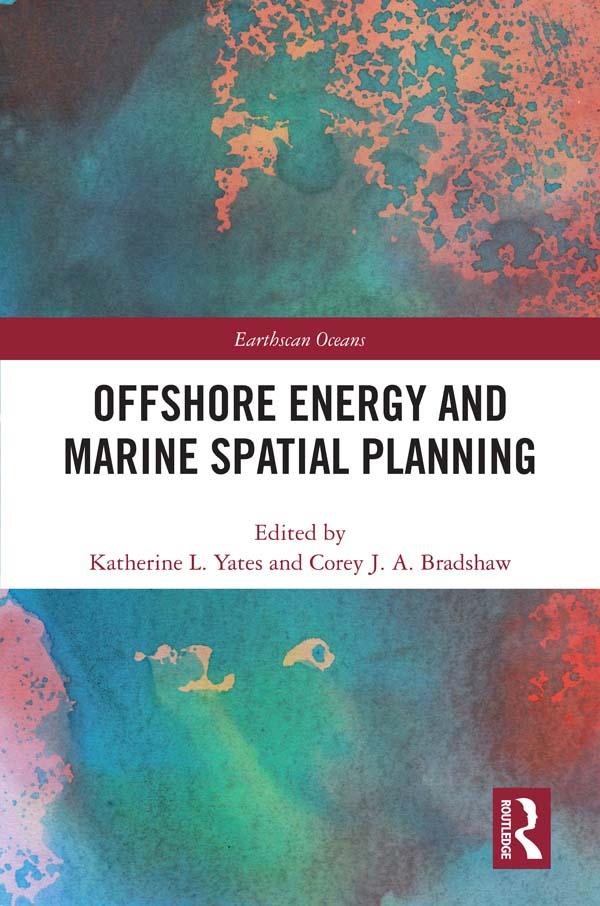
The generation of offshore energy is a rapidly growing sector, competing for space in an already busy seascape. This book brings together the ecological, economic, and social implications of the spatial conflict this growth entails. Covering all energy-generation types (wind, wave, tidal, oil, and gas), it explores the direct and indirect impacts the growth of offshore energy generation has on both the marine environment and the existing uses of marine space.
Chapters explore main issues associated with offshore energy, such as the displacement of existing activities and the negative impacts it can have on marine species and ecosystems. Chapters also discuss how the growth of offshore energy generation presents new opportunities for collaboration and co-location with other sectors, for example, the co-location of wild-capture fisheries and wind farms.
The book integrates these issues and opportunities, and demonstrates the importance of holistic marine spatial planning for optimising the location of offshore energy-generation sites. It highlights the importance of stakeholder engagement in these planning processes and the role of integrated governance, with illustrative case studies from the United States, United Kingdom, northern Europe, and the Mediterranean. It also discusses trade-off analysis and decision theory and provides a range of tools and best practices to inform future planning processes.
Betal enkelt med kort, Klarna, Apple Pay eller Google Pay. Ikke fornøyd? Du har alltid 14 dagers angrerett. Les mer i våre vilkår. Har du spørsmål, send oss en e-post på hello@memmo.org.
Memmo gjør det enklere å studere – uansett hvor du er i verden. Hos oss samler du pensumbøker og smarte studieverktøy på ett og samme sted: sammendrag, quizer, podkaster og flashcards. Og så Ted, din studiekompis som svarer på alt du lurer på. Over 50 000 studenter studerer allerede her – bygget for at du skal lære raskere og stresse mindre.