
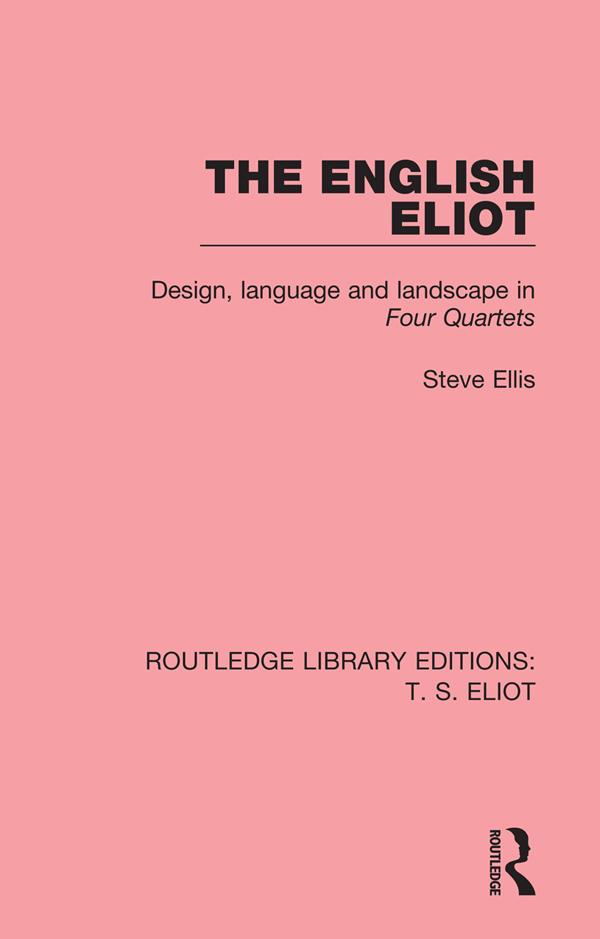
This book, first published in 1991, supplies a neglected cultural context for T. S. Eliot’s writings of the 1930s and 1940s, particularly Four Quartets, and attempts to disprove the widespread belief in Eliot’s unproblematic commitment to England, and the ‘Englishness’.
The book traces Eliot’s classicism not only in linguistic and formalist terms but also in his construction of England in the Quartets and Quartets-related essays. His practice is related to the vigorous polemic concerning the definition of England found in the 1930s and 1940s, in material as diverse as landscape painting, advertising, travel literature and the detective novel.
This original and provocative text will not only be of interest to students and teachers of Eliot, but to those interested in representations of nationality.
Betal enkelt med kort, Klarna, Apple Pay eller Google Pay. Ikke fornøyd? Du har alltid 14 dagers angrerett. Les mer i våre vilkår. Har du spørsmål, send oss en e-post på hello@memmo.org.
Memmo gjør det enklere å studere – uansett hvor du er i verden. Hos oss samler du pensumbøker og smarte studieverktøy på ett og samme sted: sammendrag, quizer, podkaster og flashcards. Og så Ted, din studiekompis som svarer på alt du lurer på. Over 50 000 studenter studerer allerede her – bygget for at du skal lære raskere og stresse mindre.