
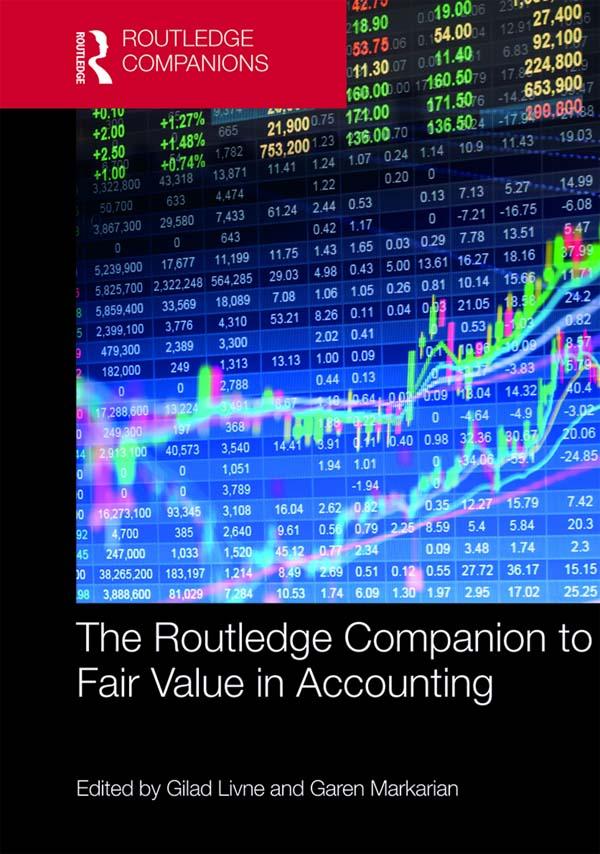
The concept of "fair value" marked a major departure from traditional cost accounting. In theory, under this approach a balance sheet that better reflects the current value of assets and liabilities. Critics of fair value argue that it is less useful over longer time frames and prone to distortion by market inefficiencies resulting in procyclicality in the financial system by exacerbating market swings.
Comprising contributions from a unique mixture of academics, standard setters and practitioners, and edited by internationally recognized experts, this book, on a controversial and intensely debated topic, is a comprehensive reference source which:
- examines the use of fair value in international financial reporting standards and the US standard SFAS 157 Fair Value Measurement, setting out the case for and against
- looks at fair value from a number of different theoretical and practical perspectives, including a critical review of the merits and arguments against the use of fair value accounting
- explores fair value accounting in practice, involvement in the Great Financial Crisis, implications for managerial reporting discretion, compensation and investment
This volume is an indispensable reference that is deserving of a place on the bookshelves of both libraries and all those working in, studying, or researching the areas of international accounting, financial accounting and reporting.
Betal enkelt med kort, Klarna, Apple Pay eller Google Pay. Ikke fornøyd? Du har alltid 14 dagers angrerett. Les mer i våre vilkår. Har du spørsmål, send oss en e-post på hello@memmo.org.
Memmo gjør det enklere å studere – uansett hvor du er i verden. Hos oss samler du pensumbøker og smarte studieverktøy på ett og samme sted: sammendrag, quizer, podkaster og flashcards. Og så Ted, din studiekompis som svarer på alt du lurer på. Over 50 000 studenter studerer allerede her – bygget for at du skal lære raskere og stresse mindre.