
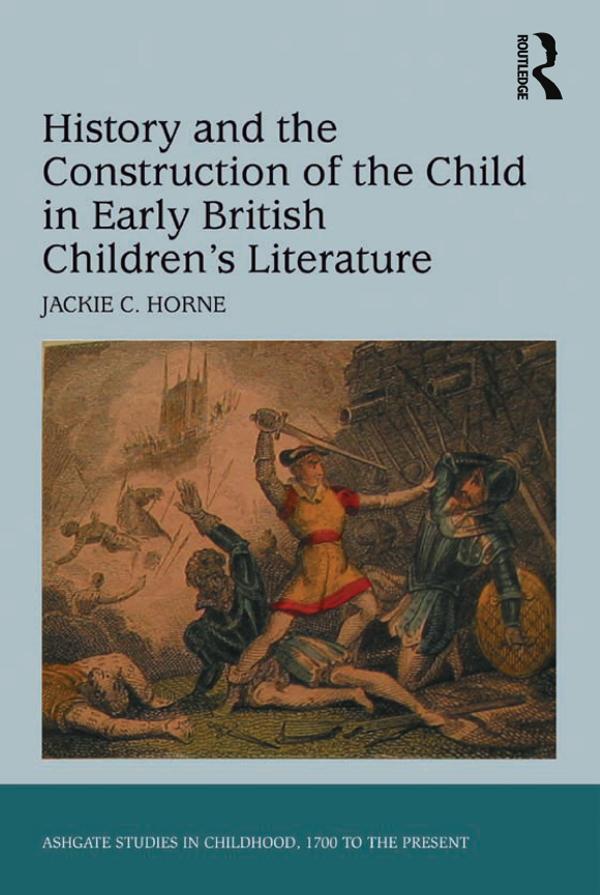
How did the 'flat' characters of eighteenth-century children's literature become 'round' by the mid-nineteenth? While previous critics have pointed to literary Romanticism for an explanation, Jackie C. Horne argues that this shift can be better understood by looking to the discipline of history. Eighteenth-century humanism believed the purpose of history was to teach private and public virtue by creating idealized readers to emulate. Eighteenth-century children's literature, with its impossibly perfect protagonists (and its equally imperfect villains) echoes history's exemplar goals. Exemplar history, however, came under increasing pressure during the period, and the resulting changes in historiographical practice - an increased need for reader engagement and the widening of history's purview to include the morals, manners, and material lives of everyday people - find their mirror in changes in fiction for children. Horne situates hitherto neglected Robinsonades, historical novels, and fictionalized histories within the cultural, social, and political contexts of the period to trace the ways in which idealized characters gradually gave way to protagonists who fostered readers' sympathetic engagement. Horne's study will be of interest to specialists in children's literature, the history of education, and book history.
Sider: 298
Kategori: Litteraturvetenskap & Teori
e-ISBN: 9781317121688
Fraktvekt: 1.2 kg
Sendes innen: 1-2 dager
Betal enkelt med kort, Klarna, Apple Pay eller Google Pay. Ikke fornøyd? Du har alltid 14 dagers angrerett. Les mer i våre vilkår. Har du spørsmål, send oss en e-post på hello@memmo.org.
Memmo gjør det enklere å studere – uansett hvor du er i verden. Hos oss samler du pensumbøker og smarte studieverktøy på ett og samme sted: sammendrag, quizer, podkaster og flashcards. Og så Ted, din studiekompis som svarer på alt du lurer på. Over 50 000 studenter studerer allerede her – bygget for at du skal lære raskere og stresse mindre.
Du vil kanskje også like
Kjøp boken0