
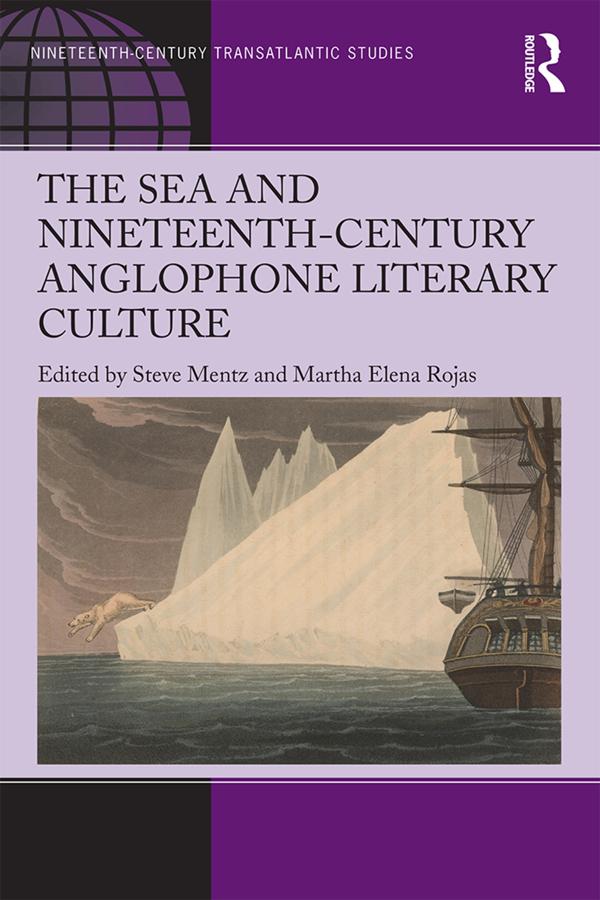
During the nineteenth century, British and American naval supremacy spanned the globe. The importance of transoceanic shipping and trade to the European-based empire and her rapidly expanding former colony ensured that the ocean became increasingly important to popular literary culture in both nations. This collection of ten essays by expert scholars in transatlantic British and American literatures interrogates the diverse meanings the ocean assumed for writers, readers, and thinkers on both sides of the Atlantic during this period of global exploration and colonial consolidation. The book’s introduction offers three critical lenses through which to read nineteenth-century Anglophone maritime literature: "wet globalization," which returns the ocean to our discourses of the global; "salt aesthetics," which considers how the sea influences artistic culture and aesthetic theory; and "blue ecocriticism," which poses an oceanic challenge to the narrowly terrestrial nature of "green" ecological criticism. The essays employ all three of these lenses to demonstrate the importance of the ocean for the changing shapes of nineteenth-century Anglophone culture and literature. Examining texts from Moby-Dick to the coral flower-books of Victorian Australia, and from Wordsworth’s sea-poetry to the Arctic journals of Charles Francis Hall, this book shows how important and how varied in meaning the ocean was to nineteenth-century Anglophone readers. Scholars of nineteenth-century globalization, the history of aesthetics, and the ecological importance of the ocean will find important scholarship in this volume.
Betal enkelt med kort, Klarna, Apple Pay eller Google Pay. Ikke fornøyd? Du har alltid 14 dagers angrerett. Les mer i våre vilkår. Har du spørsmål, send oss en e-post på hello@memmo.org.
Memmo gjør det enklere å studere – uansett hvor du er i verden. Hos oss samler du pensumbøker og smarte studieverktøy på ett og samme sted: sammendrag, quizer, podkaster og flashcards. Og så Ted, din studiekompis som svarer på alt du lurer på. Over 50 000 studenter studerer allerede her – bygget for at du skal lære raskere og stresse mindre.