
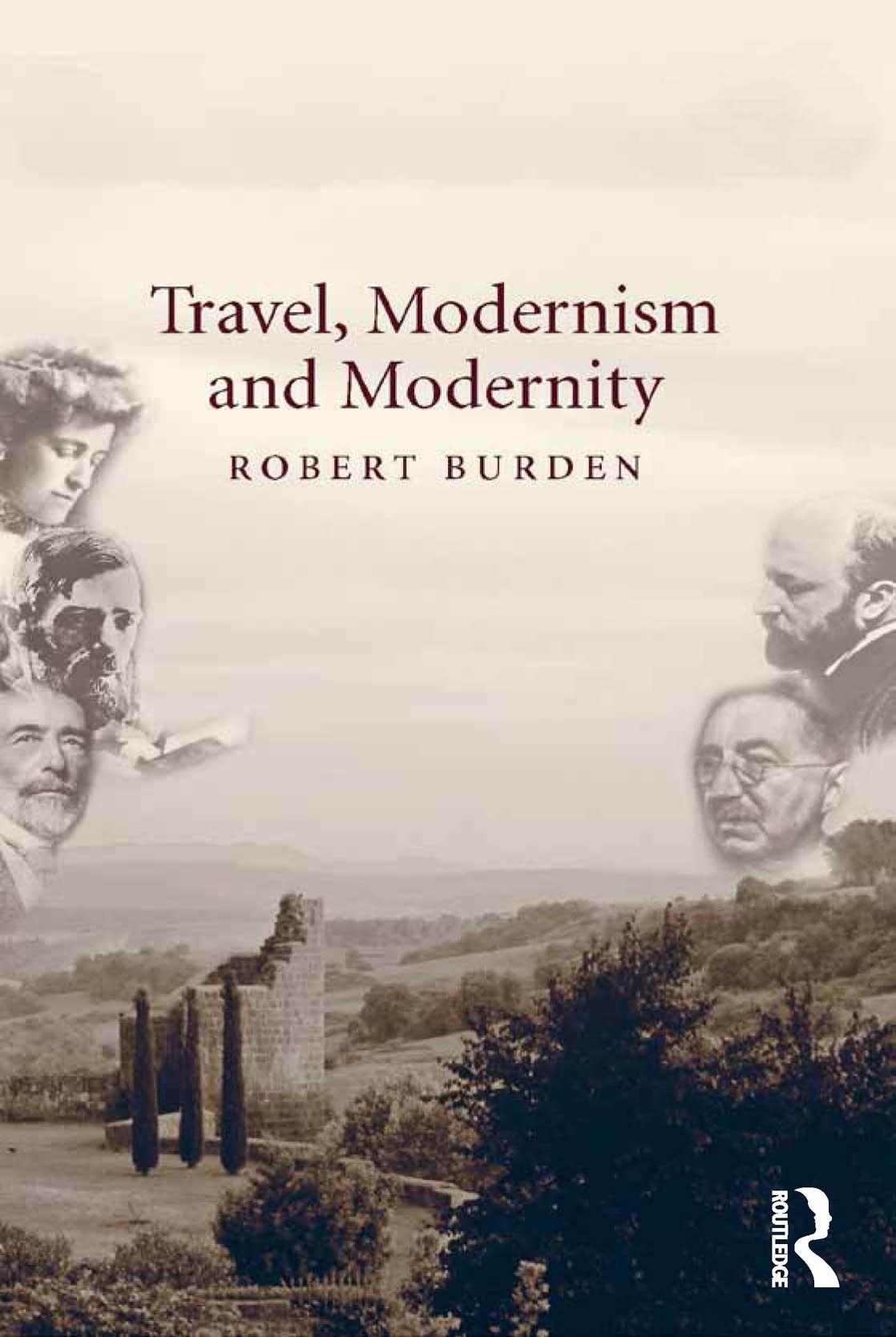
Focusing on the significance of travel in Joseph Conrad, E.M. Forster, D.H. Lawrence, Henry James, and Edith Wharton, Robert Burden shows how travel enabled a new consciousness of mobility and borders during the modernist period. For these authors, Burden suggests, travel becomes a narrative paradigm and dominant trope by which they explore questions of identity and otherness related to deep-seated concerns with the crisis of national cultural identity. He pays particular attention to the important distinction between travel and tourism, at the same time that he attends to the slippage between seeing and sightseeing, between the local character and the stereotype, between art and kitsch, and between older and newer ways of storytelling in the representational crisis of modernism. Burden argues that the greater awareness of cultural difference that characterizes both the travel writing and fiction of these expatriate writers became a defining feature of literary modernism, resulting in a consciousness of cultural difference that challenged the ethnographic project of empire.
Betal enkelt med kort, Klarna, Apple Pay eller Google Pay. Ikke fornøyd? Du har alltid 14 dagers angrerett. Les mer i våre vilkår. Har du spørsmål, send oss en e-post på hello@memmo.org.
Memmo gjør det enklere å studere – uansett hvor du er i verden. Hos oss samler du pensumbøker og smarte studieverktøy på ett og samme sted: sammendrag, quizer, podkaster og flashcards. Og så Ted, din studiekompis som svarer på alt du lurer på. Over 50 000 studenter studerer allerede her – bygget for at du skal lære raskere og stresse mindre.
Du vil kanskje også like
Kjøp boken0