
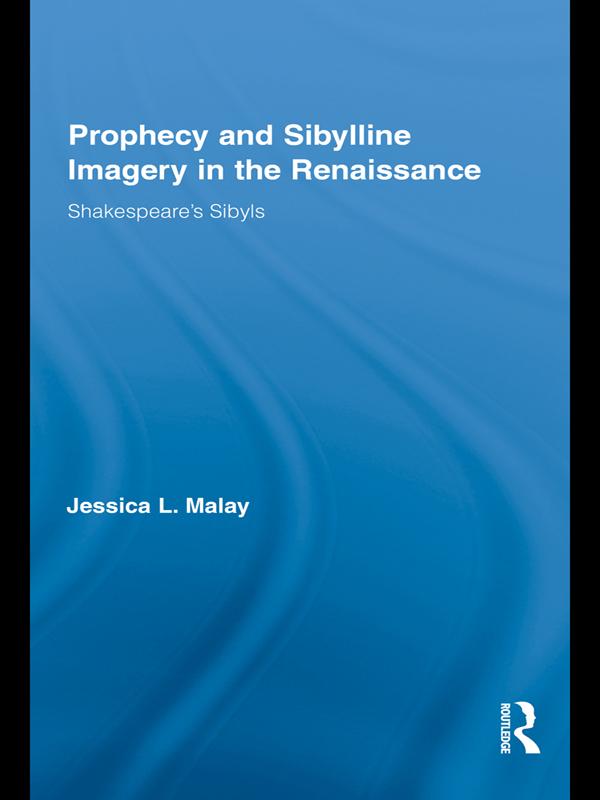
This book restores the rich tradition of the Sibyls to the position of prominence they once held in the culture and society of the English Renaissance. The sibyls — figures from classical antiquity — played important roles in literature, scholarship and art of the period, exerting a powerful authority due to their centuries-old connection to prophetic declamations of the coming of Christ and the Apocalypse. The identity of the sibyls, however, was not limited to this particular aspect of their fame, but contained a fluid multi-layering of meanings given their prominence in ancient Greek and Roman cultures, as well as the widespread dissemination of prophecies attributed the sibyls that circulated through the oral tradition. Sibylline prophecy of the Middle Ages served as another conduit through which sibylline authority, fame, and familiarity was transmitted and enhanced. Writers as disparate as John Foxe, John Dee, Thomas Churchyard, John Fletcher, Thomas Heywood, Jane Seager, John Lyly, An Collins, William Shakespeare, and many draw upon this shared sibylline tradition to produce particular and specific meanings in their writing. This book explores the many identities, the many faces, of the prophetic sibyls as they appear in the works of English Renaissance writers.
Betal enkelt med kort, Klarna, Apple Pay eller Google Pay. Ikke fornøyd? Du har alltid 14 dagers angrerett. Les mer i våre vilkår. Har du spørsmål, send oss en e-post på hello@memmo.org.
Memmo gjør det enklere å studere – uansett hvor du er i verden. Hos oss samler du pensumbøker og smarte studieverktøy på ett og samme sted: sammendrag, quizer, podkaster og flashcards. Og så Ted, din studiekompis som svarer på alt du lurer på. Over 50 000 studenter studerer allerede her – bygget for at du skal lære raskere og stresse mindre.