
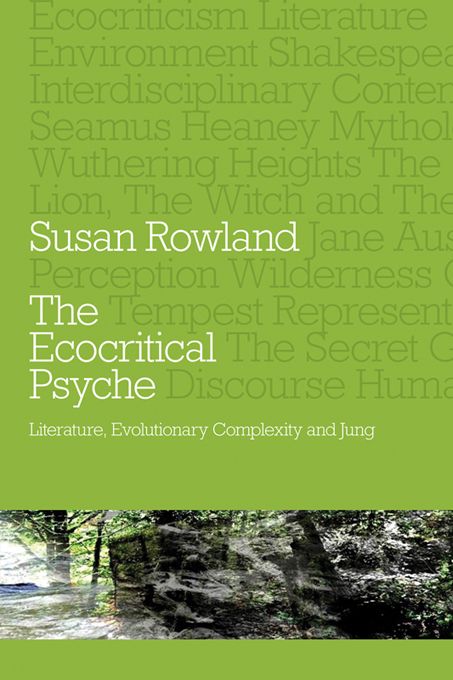
The Ecocritical Psyche unites literary studies, ecocriticism, Jungian ideas, mythology and complexity evolution theory for the first time, developing the aesthetic aspect of psychology and science as deeply as it explores evolution in Shakespeare and Jane Austen.
In this book, Susan Rowland scrutinizes literature to understand how we came to treat 'nature' as separate from ourselves and encourages us to re-think what we call 'human.' By digging into symbolic, mythological and evolutionary fertility in texts such as The Secret Garden, The Tempest, Wuthering Heights and The Lion, the Witch and the Wardrobe, the book argues that literature is where the imagination, estranged from nature in modernity, is rooted in the non-human other.
The Ecocritical Psyche is unique in its interdisciplinary expansion of literature, psyche, science and myth. It develops Jungian aesthetics to show how Jung's symbols correlate with natural signifying, providing analytical psychology with a natural home in ecocritical literary theory. The book is therefore essential reading for seasoned analysts and those in training as well as academics involved in literary studies and Jungian psychology.
Betal enkelt med kort, Klarna, Apple Pay eller Google Pay. Ikke fornøyd? Du har alltid 14 dagers angrerett. Les mer i våre vilkår. Har du spørsmål, send oss en e-post på hello@memmo.org.
Memmo gjør det enklere å studere – uansett hvor du er i verden. Hos oss samler du pensumbøker og smarte studieverktøy på ett og samme sted: sammendrag, quizer, podkaster og flashcards. Og så Ted, din studiekompis som svarer på alt du lurer på. Over 50 000 studenter studerer allerede her – bygget for at du skal lære raskere og stresse mindre.