
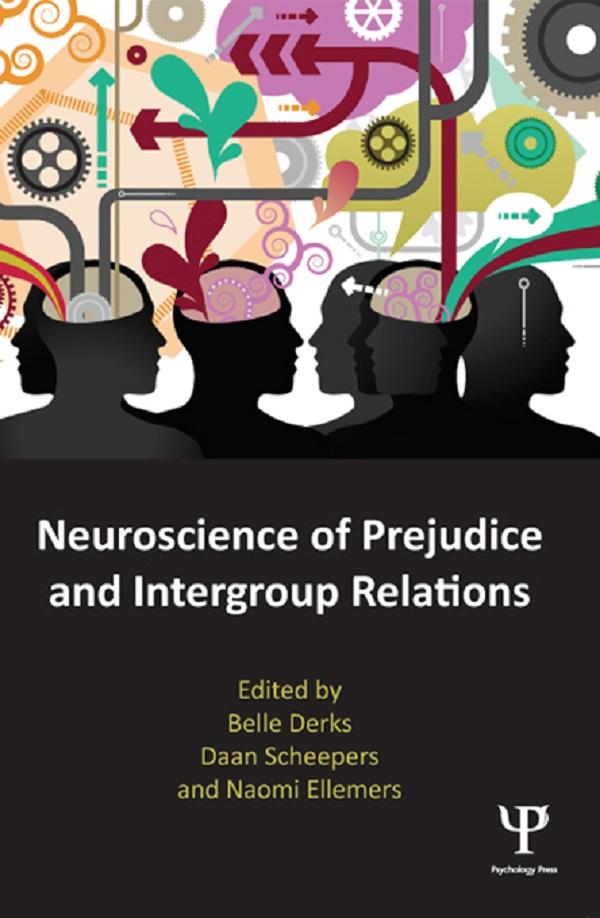
Psychological research on the origins and consequences of prejudice, discrimination, and stereotyping has moved into previously uncharted directions through the introduction of neuroscientific measures. Psychologists can now address issues that are difficult to examine with traditional methodologies and monitor motivational and emotional as they develop during ongoing intergroup interactions, thus enabling the empirical investigation of the fundamental biological bases of prejudice.
However, several very promising strands of research have largely developed independently of each other. By bringing together the work of leading prejudice researchers from across the world who have begun to study this field with different neuroscientific tools, this volume provides the first integrated view on the specific drawbacks and benefits of each type of measure, illuminates how standard paradigms in research on prejudice and intergroup relations can be adapted for the use of neuroscientific methods, and illustrates how different methodologies can complement each other and be combined to advance current insights into the nature of prejudice.
This cutting-edge volume will be of interest to advanced undergraduates, graduates, and researchers students who study prejudice, intergroup relations, and social neuroscience.
Betal enkelt med kort, Klarna, Apple Pay eller Google Pay. Ikke fornøyd? Du har alltid 14 dagers angrerett. Les mer i våre vilkår. Har du spørsmål, send oss en e-post på hello@memmo.org.
Memmo gjør det enklere å studere – uansett hvor du er i verden. Hos oss samler du pensumbøker og smarte studieverktøy på ett og samme sted: sammendrag, quizer, podkaster og flashcards. Og så Ted, din studiekompis som svarer på alt du lurer på. Over 50 000 studenter studerer allerede her – bygget for at du skal lære raskere og stresse mindre.