
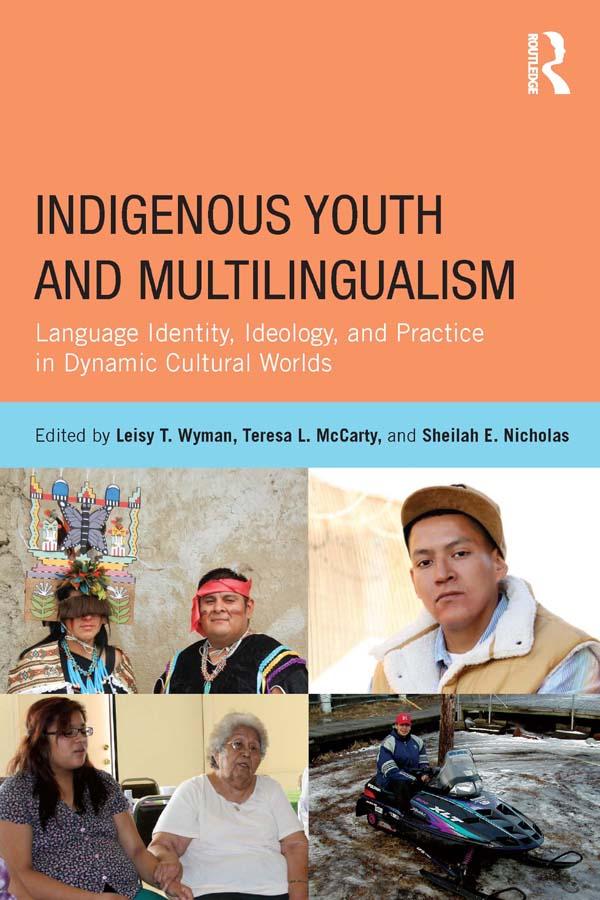
Bridging the fields of youth studies and language planning and policy, this book takes a close, nuanced look at Indigenous youth bi/multilingualism across diverse cultural and linguistic settings, drawing out comparisons, contrasts, and important implications for language planning and policy and for projects designed to curtail language loss. Indigenous and non-Indigenous scholars with longstanding ties to language planning efforts in diverse Indigenous communities examine language policy and planning as de facto and de jure – as covert and overt, bottom-up and top-down. This approach illuminates crosscutting themes of language identity and ideology, cultural conflict, and linguistic human rights as youth negotiate these issues within rapidly changing sociolinguistic contexts. A distinctive feature of the book is its chapters and commentaries by Indigenous scholars writing about their own communities.
This landmark volume stands alone in offering a look at diverse Indigenous youth in multiple endangered language communities, new theoretical, empirical, and methodological insights, and lessons for intergenerational language planning in dynamic sociocultural contexts.
Betal enkelt med kort, Klarna, Apple Pay eller Google Pay. Ikke fornøyd? Du har alltid 14 dagers angrerett. Les mer i våre vilkår. Har du spørsmål, send oss en e-post på hello@memmo.org.
Memmo gjør det enklere å studere – uansett hvor du er i verden. Hos oss samler du pensumbøker og smarte studieverktøy på ett og samme sted: sammendrag, quizer, podkaster og flashcards. Og så Ted, din studiekompis som svarer på alt du lurer på. Over 50 000 studenter studerer allerede her – bygget for at du skal lære raskere og stresse mindre.