
Awarded a 2014 Science Fiction and Technoculture Studies Prize Honourable Mention.
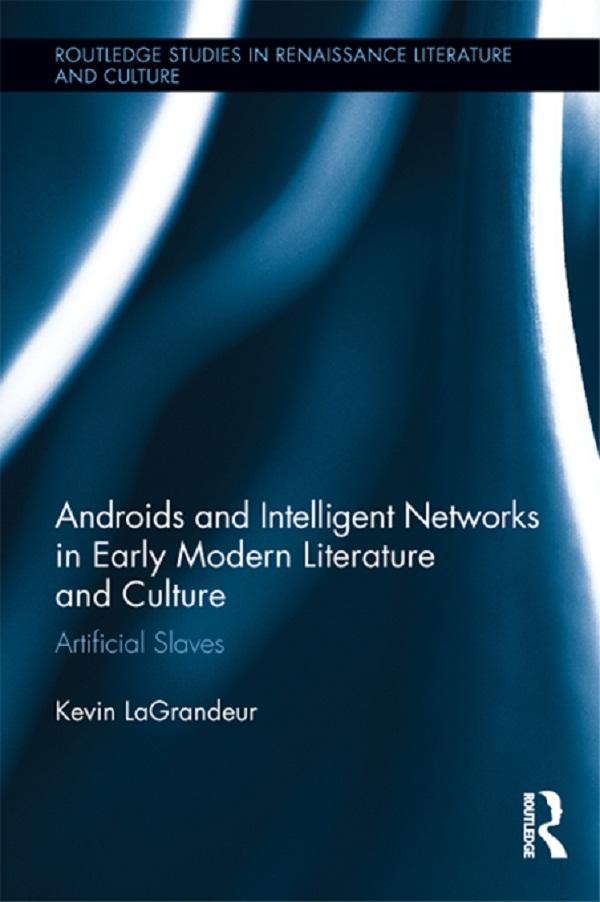
This book explores the creation and use of artificially made humanoid servants and servant networks by fictional and non-fictional scientists of the early modern period. Beginning with an investigation of the roots of artificial servants, humanoids, and automata from earlier times, LaGrandeur traces how these literary representations coincide with a surging interest in automata and experimentation, and how they blend with the magical science that preceded the empirical era. In the instances that this book considers, the idea of the artificial factotum is connected with an emotional paradox: the joy of self-enhancement is counterpoised with the anxiety of self-displacement that comes with distribution of agency.In this way, the older accounts of creating artificial slaves are accounts of modernity in the making—a modernity characterized by the project of extending the self and its powers, in which the vision of the extended self is fundamentally inseparable from the vision of an attenuated self. This book discusses the idea that fictional, artificial servants embody at once the ambitions of the scientific wizards who make them and society’s perception of the dangers of those ambitions, and represent the cultural fears triggered by independent, experimental thinkers—the type of thinkers from whom our modern cyberneticists descend.
Betal enkelt med kort, Klarna, Apple Pay eller Google Pay. Ikke fornøyd? Du har alltid 14 dagers angrerett. Les mer i våre vilkår. Har du spørsmål, send oss en e-post på hello@memmo.org.
Memmo gjør det enklere å studere – uansett hvor du er i verden. Hos oss samler du pensumbøker og smarte studieverktøy på ett og samme sted: sammendrag, quizer, podkaster og flashcards. Og så Ted, din studiekompis som svarer på alt du lurer på. Over 50 000 studenter studerer allerede her – bygget for at du skal lære raskere og stresse mindre.