
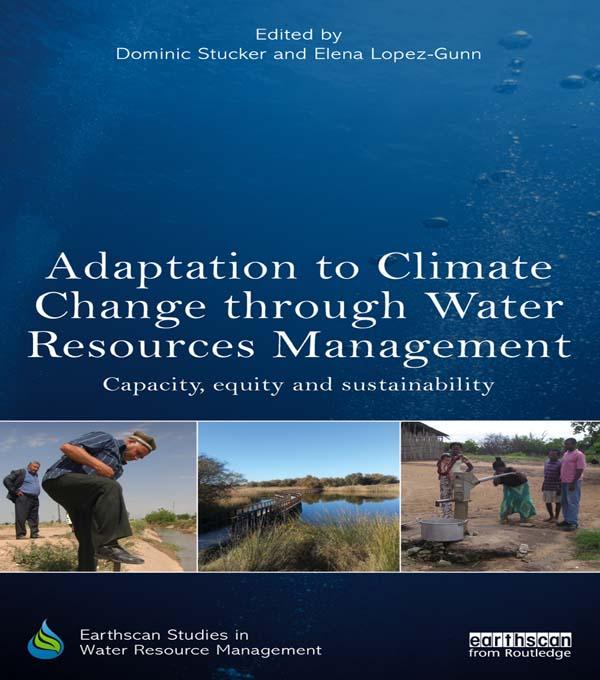
The impacts of human-induced climate change are largely mediated by water, such as alterations in precipitation and glacial melt patterns, variations in river flow, increased occurrence of droughts and floods, and sea level rise in densely populated coastal areas. Such phenomena impact both urban and rural communities in developed, emerging, and developing countries.
Taking a systems approach, this book analyzes evidence from 26 countries and identifies common barriers and bridges for local adaptation to climate change through water resources management. It includes a global set of case studies from places experiencing increased environmental and social pressure due to population growth, development and migration, including in Africa, Asia, Australia, Europe, North and South America.
All chapters consider the crosscutting themes of adaptive capacity, equity, and sustainability. These point to resilient water allocation policies and practices that are capable of protecting social and environmental interests, whilst ensuring the efficient use of an often-scarce resource.
Betal enkelt med kort, Klarna, Apple Pay eller Google Pay. Ikke fornøyd? Du har alltid 14 dagers angrerett. Les mer i våre vilkår. Har du spørsmål, send oss en e-post på hello@memmo.org.
Memmo gjør det enklere å studere – uansett hvor du er i verden. Hos oss samler du pensumbøker og smarte studieverktøy på ett og samme sted: sammendrag, quizer, podkaster og flashcards. Og så Ted, din studiekompis som svarer på alt du lurer på. Over 50 000 studenter studerer allerede her – bygget for at du skal lære raskere og stresse mindre.