
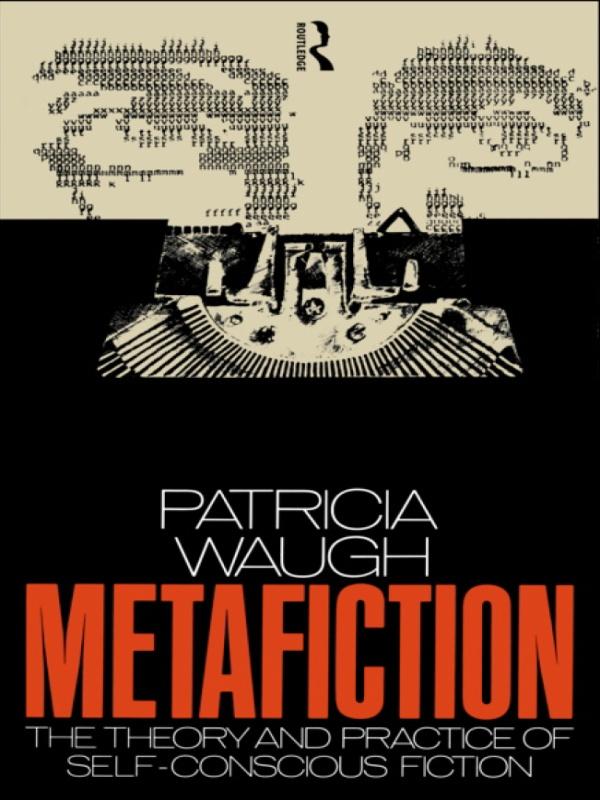
Metafiction begins by surveying the state of contemporary fiction in Britain and America and explores the complex political, social and economic factors which influence critical judgment of fiction. The author shows how, as the novel has been eclipsed by the mass media, novelists have sought to retain and regain a wide readership by drawing on the themes and preoccupations of these forms. Making use of contemporary fiction by such writers as Fowles, Borges, Spark, Barthelme, Brautigan, Vonnegut and Barth, and drawing on Russian Formalist theories of literary evolution, the book argues that metafiction uses parody along with popular genres and non-literary forms as a way not only of exposing the inadequate and obsolescent conventions of the classic novel, but of stuggesting the lines along which fiction might develop in the future.
Betal enkelt med kort, Klarna, Apple Pay eller Google Pay. Ikke fornøyd? Du har alltid 14 dagers angrerett. Les mer i våre vilkår. Har du spørsmål, send oss en e-post på hello@memmo.org.
Memmo gjør det enklere å studere – uansett hvor du er i verden. Hos oss samler du pensumbøker og smarte studieverktøy på ett og samme sted: sammendrag, quizer, podkaster og flashcards. Og så Ted, din studiekompis som svarer på alt du lurer på. Over 50 000 studenter studerer allerede her – bygget for at du skal lære raskere og stresse mindre.