
Stephen Spotte, Mote Marine Laboratory, Sarasota, Florida, USA
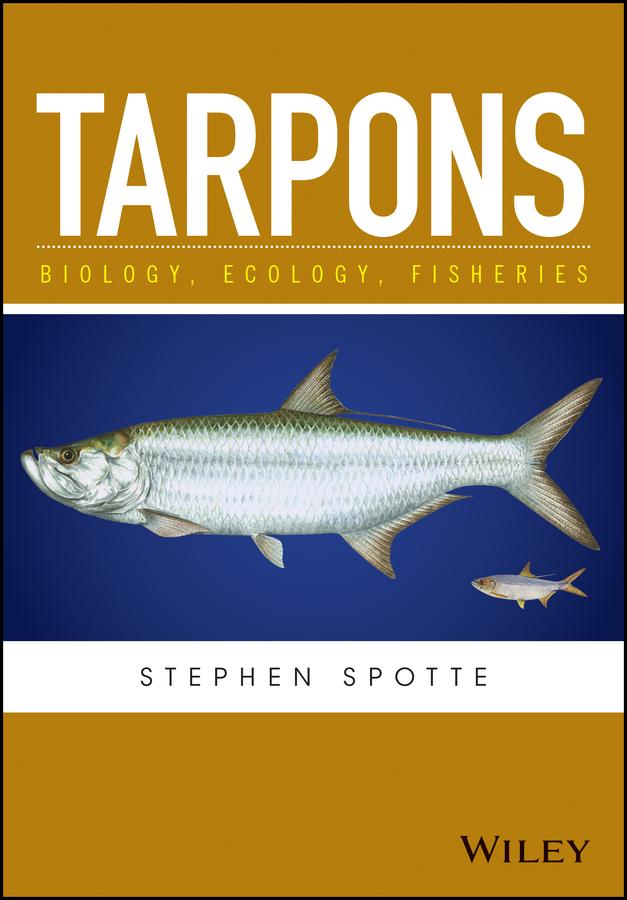
Tarpons arose from an ancient lineage, and just two species exist today, confined to the tropics and subtropics: Megalops atlanticus in the western and eastern Atlantic and Megalops cyprinoides distributed widely across the Indo-West Pacific. The Atlantic tarpon is considered king of the saltwater sport fishes and supports a multi-billion dollar recreational fishery in the U.S. alone. The Pacific tarpon, which is much smaller, is less valued by anglers. Both have limited commercial value but offer considerable potential for future aquaculture because of their hardiness, rapid growth, and ease of adaptation to captivity.
This book is the latest and most thorough text on the biology, ecology, and fisheries (sport and commercial) of tarpons. The chapters comprise clear, intricate discourses on such subjects as early development and metamorphosis, population genetics, anatomical and physiological features and adaptations, migrations, reproductive biology, and culminate with a concise overview of the world's tarpon fisheries. A comprehensive appendix includes Spotte's original translations of important papers published previously by others in Spanish and Portuguese and unavailable until now to English readers.
Tarpons: Biology, Ecology, Fisheries will be of considerable interest and use to fishery and research biologists, marine conservationists, aquaculturists, and informed anglers
Betal enkelt med kort, Klarna, Apple Pay eller Google Pay. Ikke fornøyd? Du har alltid 14 dagers angrerett. Les mer i våre vilkår. Har du spørsmål, send oss en e-post på hello@memmo.org.
Memmo gjør det enklere å studere – uansett hvor du er i verden. Hos oss samler du pensumbøker og smarte studieverktøy på ett og samme sted: sammendrag, quizer, podkaster og flashcards. Og så Ted, din studiekompis som svarer på alt du lurer på. Over 50 000 studenter studerer allerede her – bygget for at du skal lære raskere og stresse mindre.