
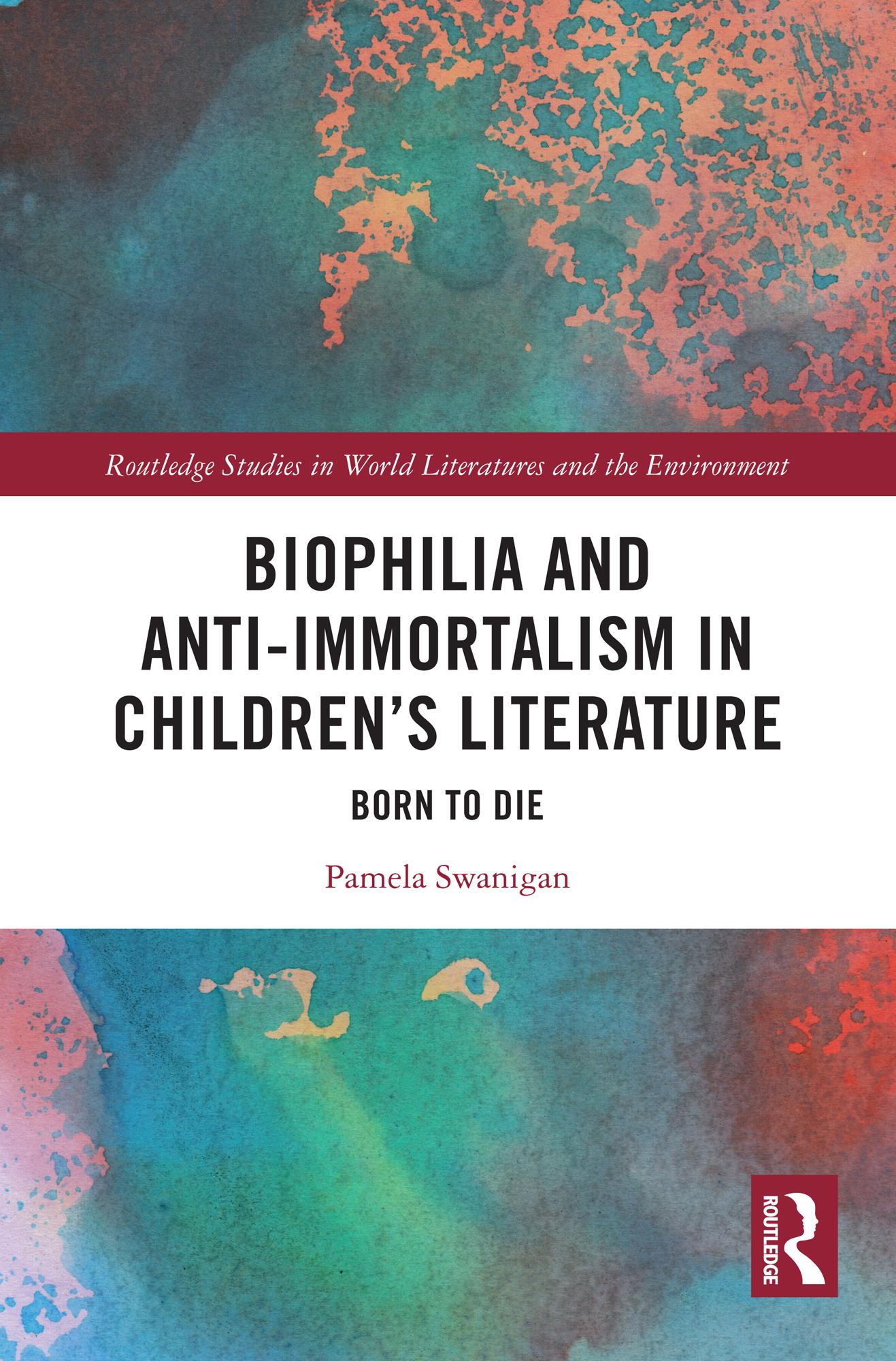
Children’s literature has traditionally been analyzed through humanist frameworks like psychoanalysis and gender theory, which, while legitimizing the genre’s study, fail to address its focus on animals, rural settings, and nature. This project takes a non-humanist, sociobiological approach, arguing that children’s literature has, for over a century, fostered what E. O. Wilson calls “biophilia”—an evolution-based affinity for living things expressed through innate impulses and predispositions. Focusing on chapter books with immortality as a theme, such as Frances Hodgson Burnett’s The Secret Garden, Natalie Babbitt’s Tuck Everlasting, and Ursula Le Guin’s The Other Wind, the study explores how children’s literature promotes a syncretic biotheism, revering life’s natural cycles while rejecting immortalist ideologies like Christian post-death immortality and secular life extension. These books depict human death as reintegration into nature, offering young readers a unique “ecological literacy.” This literacy cultivates values that conflict with industrialism, urbanization, and Christianity, creating “internal anomie” as readers transition into adulthood. By examining how children’s literature shapes ecological awareness and challenges dominant cultural mores, the project highlights the genre’s role in fostering a deeper connection to the natural world and its cycles, often overlooked in traditional critical analyses.
Betal enkelt med kort, Klarna, Apple Pay eller Google Pay. Ikke fornøyd? Du har alltid 14 dagers angrerett. Les mer i våre vilkår. Har du spørsmål, send oss en e-post på hello@memmo.org.
Memmo gjør det enklere å studere – uansett hvor du er i verden. Hos oss samler du pensumbøker og smarte studieverktøy på ett og samme sted: sammendrag, quizer, podkaster og flashcards. Og så Ted, din studiekompis som svarer på alt du lurer på. Over 50 000 studenter studerer allerede her – bygget for at du skal lære raskere og stresse mindre.