
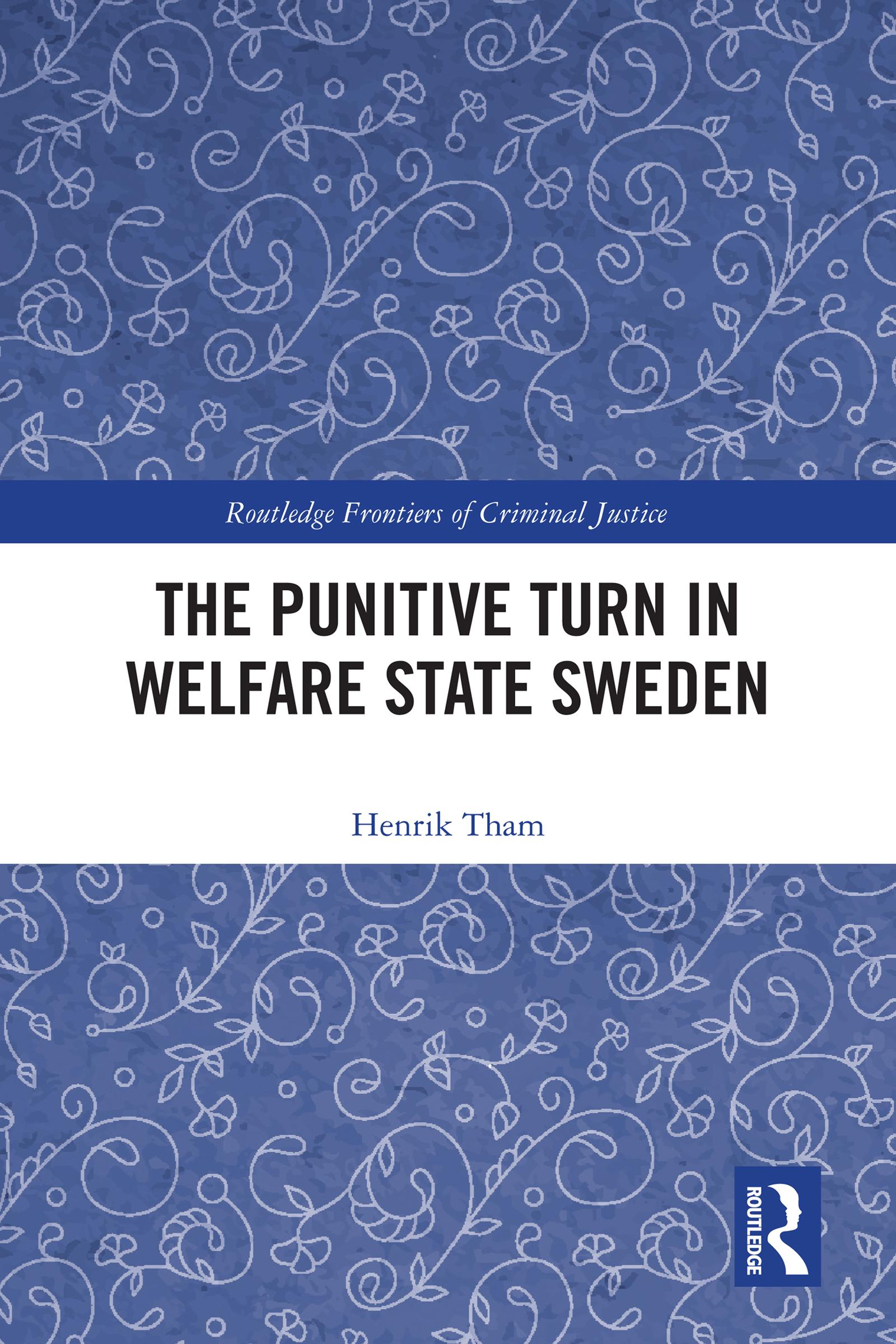
This analysis of the Swedish criminal system makes sense of a markedly punitive turn in policy despite the country’s relatively liberal approach. That Sweden, often considered the welfare state par excellence, should show a move towards punitiveness needs an explanation from the view of both criminology and criminal policy. The book explores how the politicization of criminal policy, the questioning of experts, the increasingly emotional orientation of politics, and the proactive policy all contribute to the development towards increased repression in criminal policy. The types of crime that are at the centre of the criminal policy debate - drugs, violence, and organized crime - also all contribute to these general trends, and are politically exploited and affected by a growing political populism. The author contends that the crime-reducing effects of the policy must be considered to be very limited, while the costs of the increased criminal and coercive legislation are becoming considerable, especially in the form of an increasing number of people in prison. This book is of interest to researchers and instructors focusing on the sociology of punishment as well as policymakers concerned with crime policy and prison development.
Betal enkelt med kort, Klarna, Apple Pay eller Google Pay. Ikke fornøyd? Du har alltid 14 dagers angrerett. Les mer i våre vilkår. Har du spørsmål, send oss en e-post på hello@memmo.org.
Memmo gjør det enklere å studere – uansett hvor du er i verden. Hos oss samler du pensumbøker og smarte studieverktøy på ett og samme sted: sammendrag, quizer, podkaster og flashcards. Og så Ted, din studiekompis som svarer på alt du lurer på. Over 50 000 studenter studerer allerede her – bygget for at du skal lære raskere og stresse mindre.