
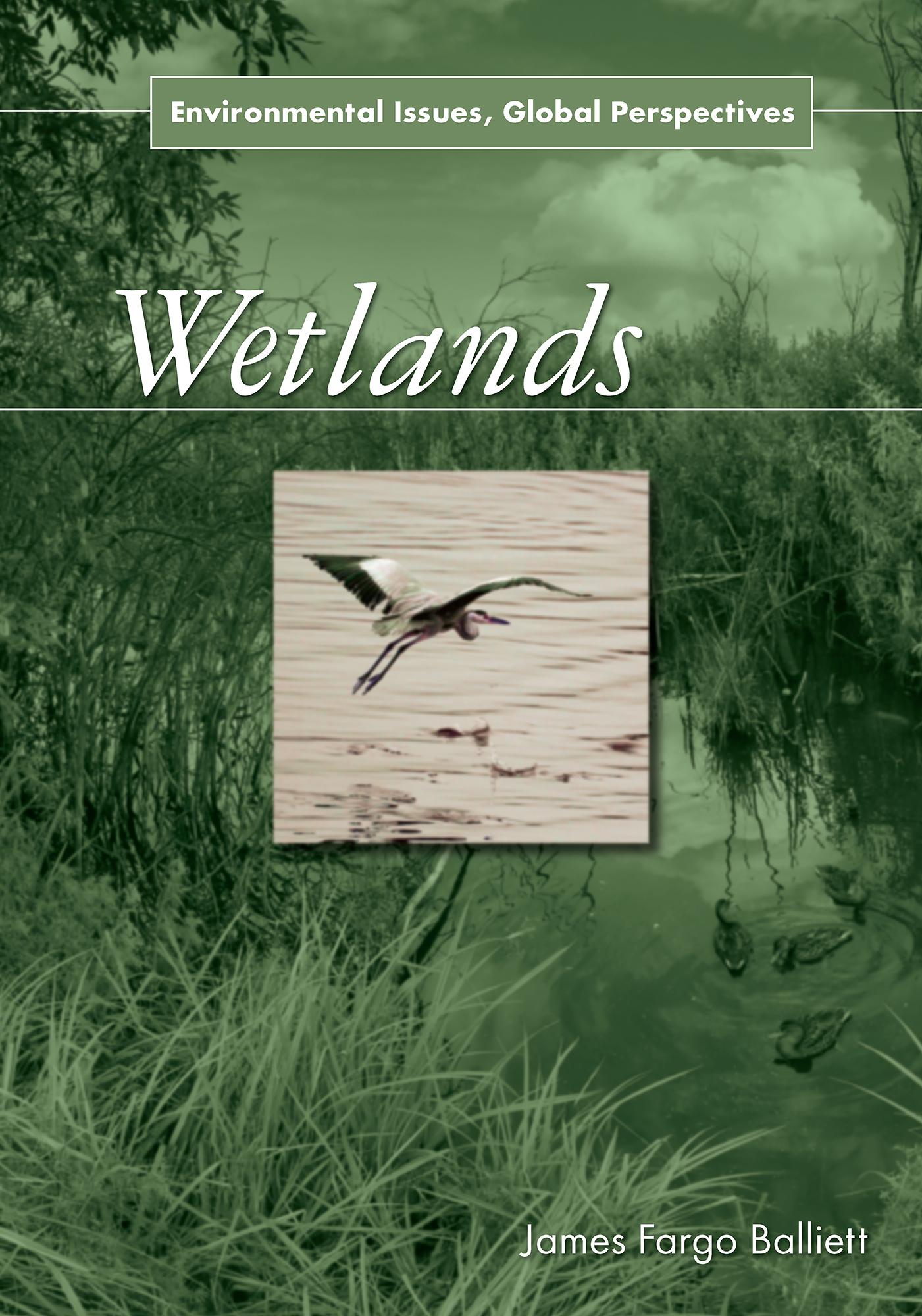
Wetlands encompass a diversity of habitats that rely on the presence of water to survive. Over the last two centuries, these hard-to-reach areas have been viewed with disdain or eliminated by a public that saw them only as dangerous and worthless lowlands. This book tracks changing perceptions of one of the world’s richest and biologically productive biomes and efforts that have been undertaken to protect many areas. With land development resulting in the loss of more than half of the world’s wetlands, significant efforts are now under way to protect the remaining 5 million square miles.
The author describes three noteworthy examples which demonstrate the resilience of wetland plants and animals and their ability to rebound from human-induced pressures. In Central Asia, the Aral Sea and its adjacent wetlands show promising regrowth, in part because of massive hydrology projects being implemented to undo years of damage to the area. The Everglades wetlands complex, spanning the lower one-third of Florida, is slowly reviving as conservation measures are implemented. Finally it is shown how Lake Poyang in southeastern China has experienced increased ecological health as a result of better resource management and community education programs focused on the vital role that wetlands play in a healthy environment.
Betal enkelt med kort, Klarna, Apple Pay eller Google Pay. Ikke fornøyd? Du har alltid 14 dagers angrerett. Les mer i våre vilkår. Har du spørsmål, send oss en e-post på hello@memmo.org.
Memmo gjør det enklere å studere – uansett hvor du er i verden. Hos oss samler du pensumbøker og smarte studieverktøy på ett og samme sted: sammendrag, quizer, podkaster og flashcards. Og så Ted, din studiekompis som svarer på alt du lurer på. Over 50 000 studenter studerer allerede her – bygget for at du skal lære raskere og stresse mindre.