
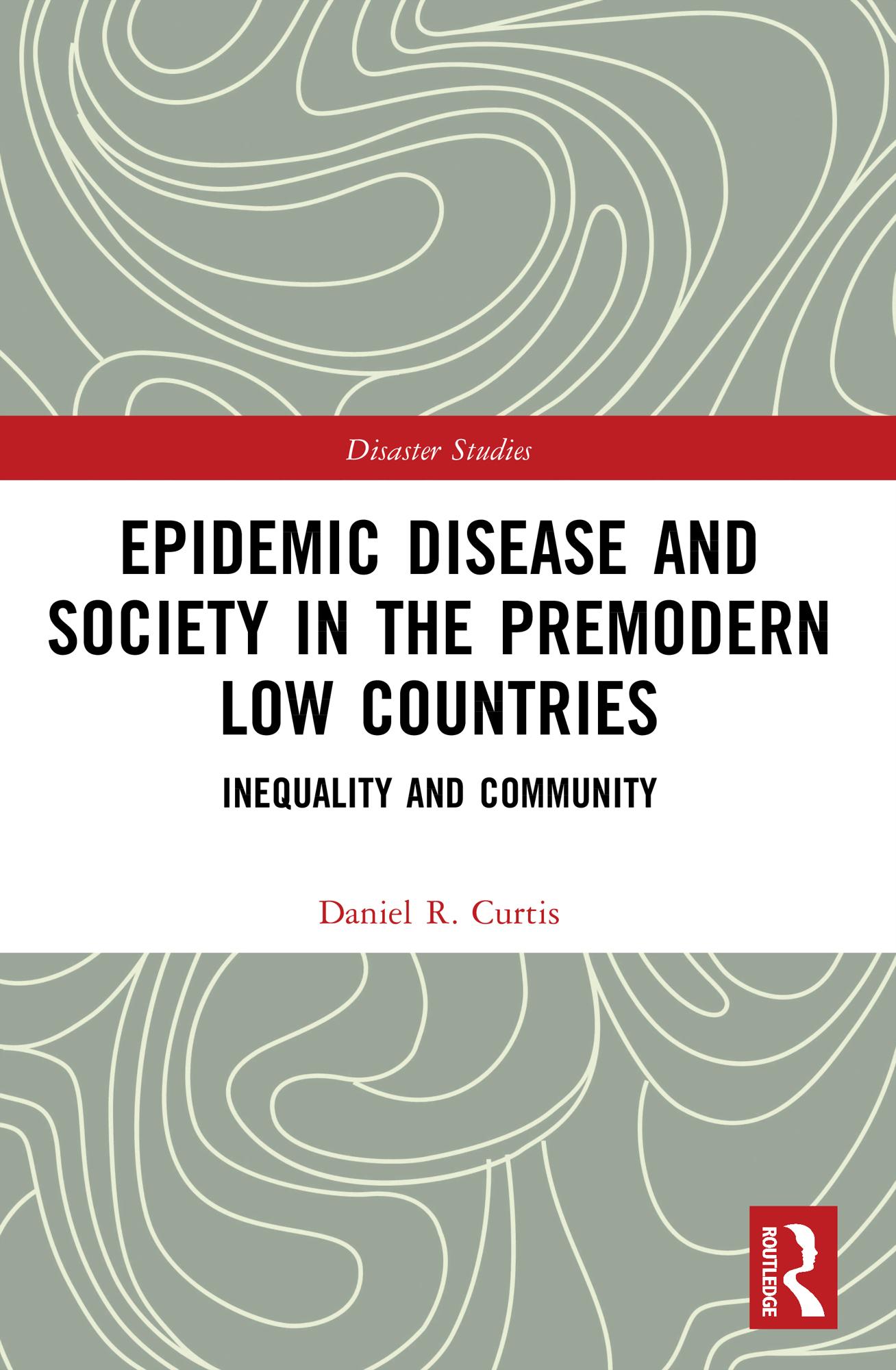
In this book, evidence from a long-run history of epidemic-society interaction in the Low Countries shows that most recurring outbreaks were accommodated by communities, and most reactions, responses, and changes seen were the product of frequent and incremental adaptations, sometimes in periods outside of epidemics.
Epidemics blur the distinction between the normal and the sub-normal. Accordingly, although histories tend to emphasise epidemics’ capacity to create sharp changes, deviations, or transitions within societies and economies, this book develops an alternative argument that the most relevant questions are not “how and why change”, but given the substantial pressures of raised mortality, why was change often so modest? It brings together around five centuries' worth of existing and new evidence on epidemics and societal resistance, wealth redistribution, and women’s experiences to support this interpretation.
Challenging conventional narratives about epidemics as agents of dramatic change, this book will be of interest to researchers examining historiographical debates about crisis and continuity in European history.
The Open Access version of this book, available at http://www.taylorfrancis.com, has been made available under a Creative Commons [Attribution-Non Commercial-No Derivatives (CC BY-NC-ND)] 4.0 license.
Betal enkelt med kort, Klarna, Apple Pay eller Google Pay. Ikke fornøyd? Du har alltid 14 dagers angrerett. Les mer i våre vilkår. Har du spørsmål, send oss en e-post på hello@memmo.org.
Memmo gjør det enklere å studere – uansett hvor du er i verden. Hos oss samler du pensumbøker og smarte studieverktøy på ett og samme sted: sammendrag, quizer, podkaster og flashcards. Og så Ted, din studiekompis som svarer på alt du lurer på. Over 50 000 studenter studerer allerede her – bygget for at du skal lære raskere og stresse mindre.