
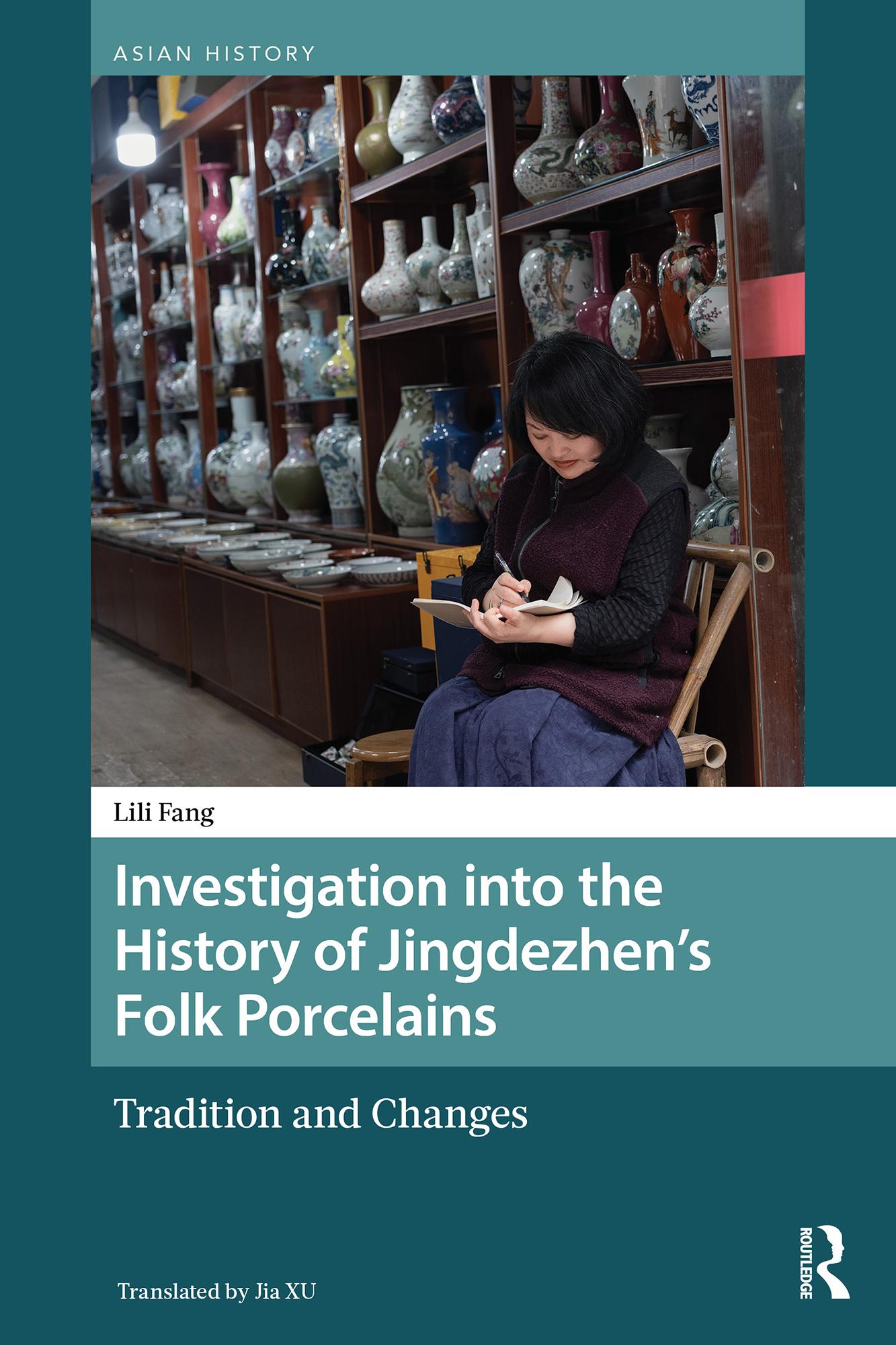
This book seeks to understand the evolution of Jingdezhen handicraft culture from the micro to the macro perspective by comparing the recently arising ceramic workshops with the traditional approach to the craft.
Following 1978 and China’s economic reforms, Jingdezhen, known as “the capital city of porcelain,” adopted a new look under the impetus of modernization. The author examines the change of social structure, people’s reaction, as well as the cultural motivation behind the change through research into the disappearance and reappearance of family porcelain workshops in Jingdezhen in the 1990s. This volume further discusses culture and techniques of Jingdezhen handicraft, as well as changes in art forms and art production during the process of China’s modernization.
Representing an ethnographic account of the revival of local traditions within the broader context of globalization, this work is perfect for scholars of history, political science, sociology and cultural studies.
Betal enkelt med kort, Klarna, Apple Pay eller Google Pay. Ikke fornøyd? Du har alltid 14 dagers angrerett. Les mer i våre vilkår. Har du spørsmål, send oss en e-post på hello@memmo.org.
Memmo gjør det enklere å studere – uansett hvor du er i verden. Hos oss samler du pensumbøker og smarte studieverktøy på ett og samme sted: sammendrag, quizer, podkaster og flashcards. Og så Ted, din studiekompis som svarer på alt du lurer på. Over 50 000 studenter studerer allerede her – bygget for at du skal lære raskere og stresse mindre.