
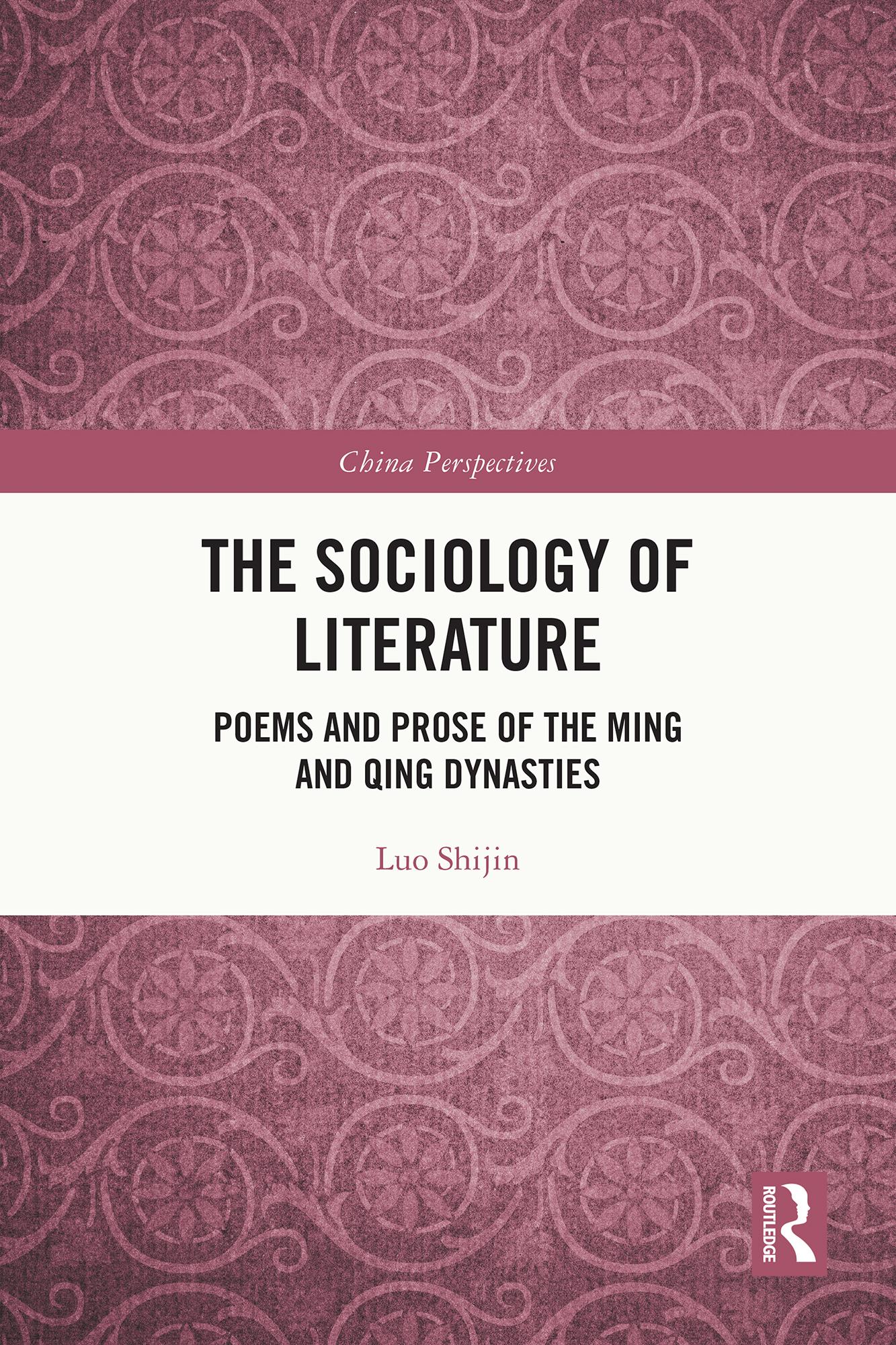
This groundbreaking book offers a fresh perspective on classical Chinese literature. Using literary sociology, it demonstrates how social, cultural, and political forces shaped the poetry and prose of the time, and how writers responded to it.
The author employs the compelling metaphor of a “literary ferry” to carry intellectuals, their creative works, and literary practices across historical waters. Through this conceptual framework, the book sheds light on the interplay between literary texts from the Ming and Qing dynasties and their broader contexts, including historical movements, societal structures, class dynamics, institutional systems, clan relationships, community networks, market economies, and geographical influences. It meticulously examines how literature navigates complex social and historical currents while preserving its aesthetic integrity and distinctive literary qualities. Furthermore, it establishes a comprehensive methodological framework for analysing how social environments shape literary production and reception throughout China's rich literary history.
This volume will serve as an invaluable reference for researchers and students specializing in traditional Chinese literature and comparative literary studies, particularly resonating with scholars studying the intersection of literature and sociology. For general readers, the book offers a fascinating exploration of the cultural, social, and historical forces that shaped China's greatest literary masterpieces.
Betal enkelt med kort, Klarna, Apple Pay eller Google Pay. Ikke fornøyd? Du har alltid 14 dagers angrerett. Les mer i våre vilkår. Har du spørsmål, send oss en e-post på hello@memmo.org.
Memmo gjør det enklere å studere – uansett hvor du er i verden. Hos oss samler du pensumbøker og smarte studieverktøy på ett og samme sted: sammendrag, quizer, podkaster og flashcards. Og så Ted, din studiekompis som svarer på alt du lurer på. Over 50 000 studenter studerer allerede her – bygget for at du skal lære raskere og stresse mindre.