
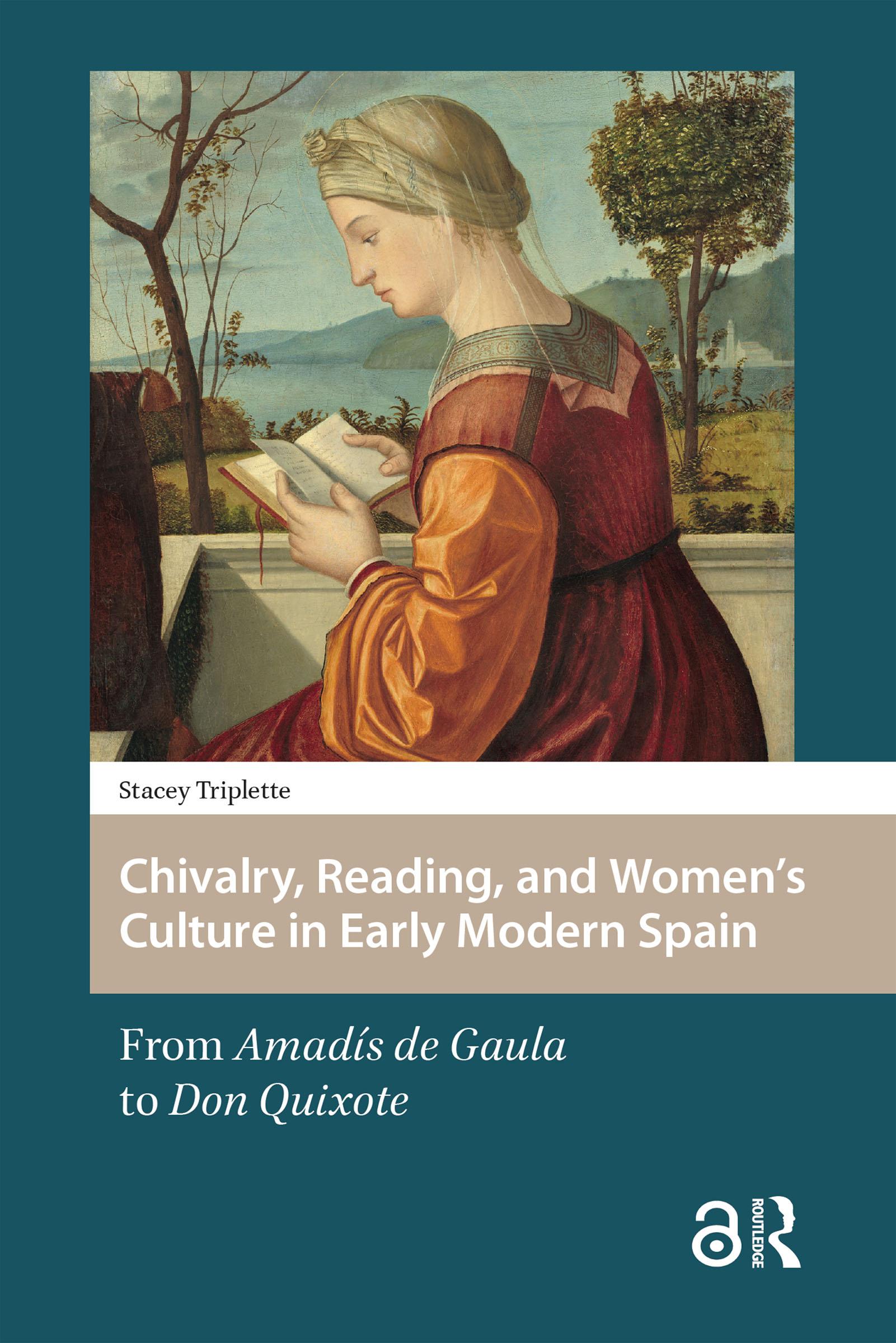
The Iberian chivalric romance has long been thought of as an archaic, masculine genre and its popularity as an aberration in European literary history. Chivalry, Reading, and Women's Culture in Early Modern Spain contests this view, arguing that the surprisingly egalitarian gender politics of Spain's most famous romance of chivalry has guaranteed it a long afterlife. Amadís de Gaula had a notorious appeal for female audiences, and the early modern authors who borrowed from it varied in their reactions to its large cast of literate female characters. Don Quixote and other works that situate women as readers carry the influence of Amadís forward into the modern novel. When early modern authors read chivalric romance, they also read gender, harnessing the female characters of the source text to a variety of political and aesthetic purposes. This book analyses many versions of the romance from Spain, Portugal, France, Italy, and England and tells a new story of the life, death, and influences of Amadís.
Betal enkelt med kort, Klarna, Apple Pay eller Google Pay. Ikke fornøyd? Du har alltid 14 dagers angrerett. Les mer i våre vilkår. Har du spørsmål, send oss en e-post på hello@memmo.org.
Memmo gjør det enklere å studere – uansett hvor du er i verden. Hos oss samler du pensumbøker og smarte studieverktøy på ett og samme sted: sammendrag, quizer, podkaster og flashcards. Og så Ted, din studiekompis som svarer på alt du lurer på. Over 50 000 studenter studerer allerede her – bygget for at du skal lære raskere og stresse mindre.