
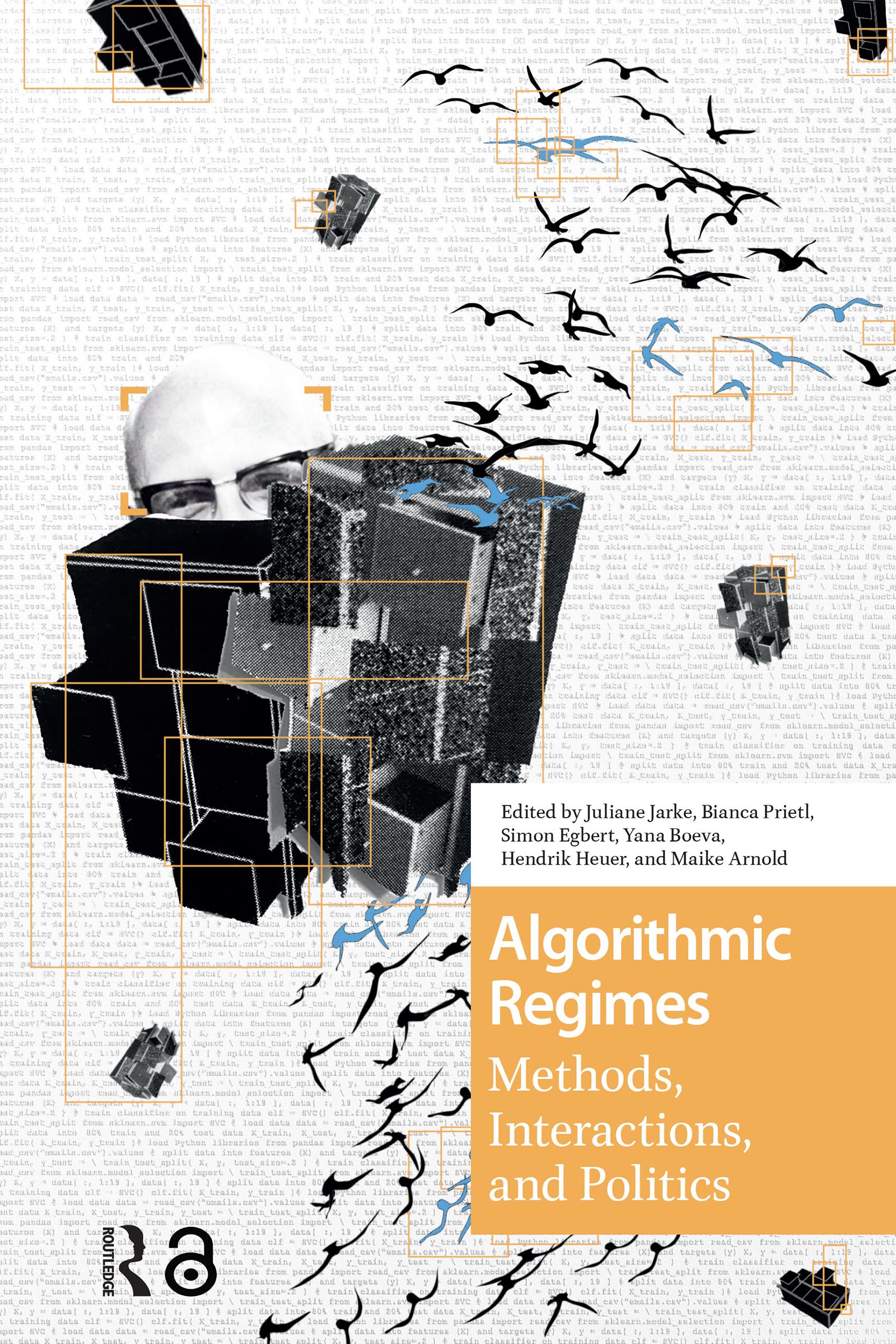
Algorithms have risen to become one, if not the central technology for producing, circulating, and evaluating knowledge in multiple societal arenas. In this book, scholars from the social sciences, humanities, and computer science argue that this shift has, and will continue to have, profound implications for how knowledge is produced and what and whose knowledge is valued and deemed valid. To attend to this fundamental change, the authors propose the concept of algorithmic regimes and demonstrate how they transform the epistemological, methodological, and political foundations of knowledge production, sensemaking, and decision-making in contemporary societies. Across sixteen chapters, the volume offers a diverse collection of contributions along three perspectives on algorithmic regimes: the methods necessary to research and design algorithmic regimes, the ways in which algorithmic regimes reconfigure sociotechnical interactions, and the politics engrained in algorithmic regimes.
Betal enkelt med kort, Klarna, Apple Pay eller Google Pay. Ikke fornøyd? Du har alltid 14 dagers angrerett. Les mer i våre vilkår. Har du spørsmål, send oss en e-post på hello@memmo.org.
Memmo gjør det enklere å studere – uansett hvor du er i verden. Hos oss samler du pensumbøker og smarte studieverktøy på ett og samme sted: sammendrag, quizer, podkaster og flashcards. Og så Ted, din studiekompis som svarer på alt du lurer på. Over 50 000 studenter studerer allerede her – bygget for at du skal lære raskere og stresse mindre.
Du vil kanskje også like
Kjøp boken0