
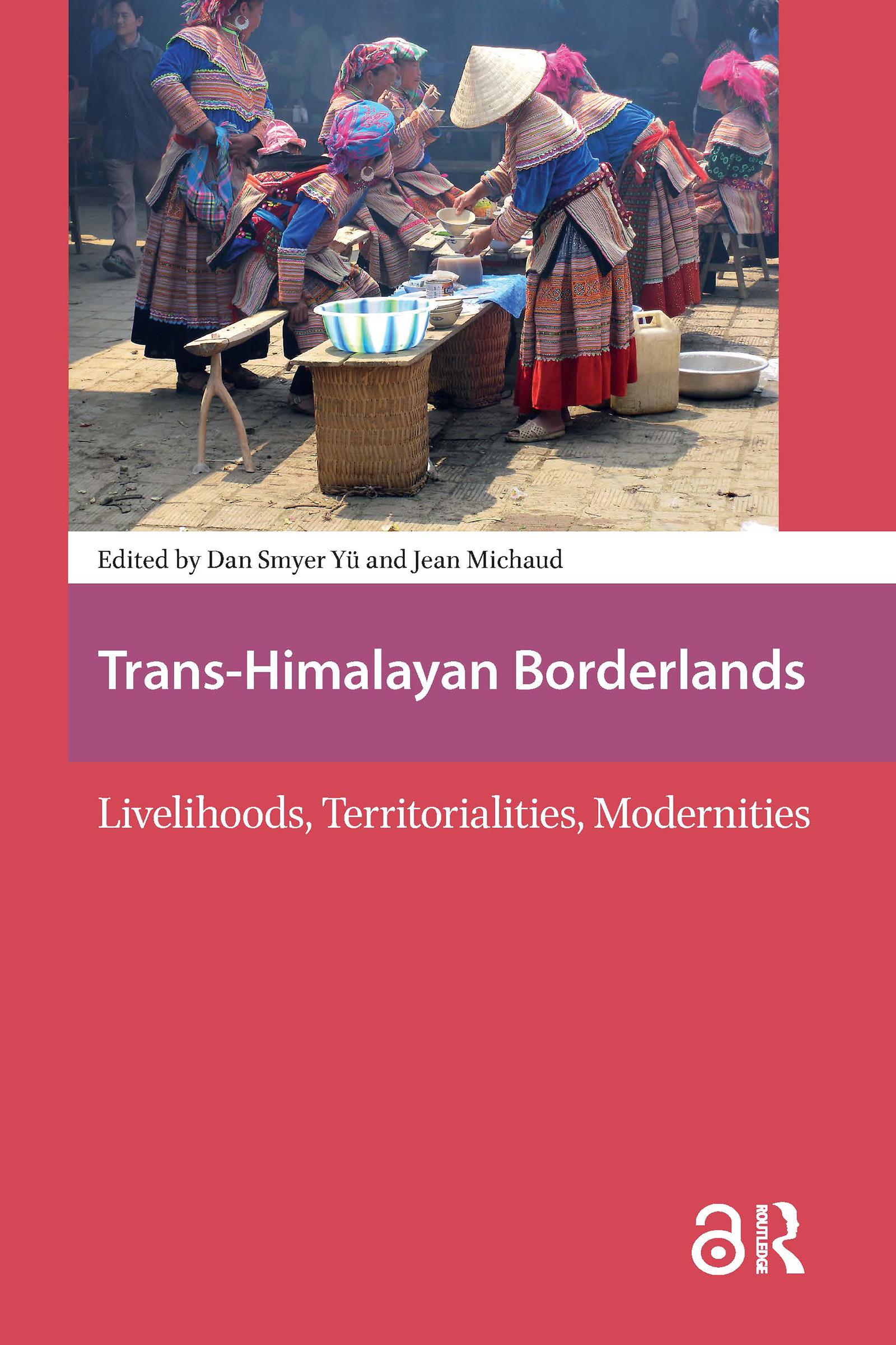
The societies in the Himalayan borderlands have undergone wide-ranging transformations, as the territorial reconfiguration of modern nation-states since the mid-twentieth century and the presently increasing trans-Himalayan movements of people, goods and capital, reshape the livelihoods of communities, pulling them into global trends of modernisation and regional discourses of national belonging. This book explores the changes to native senses of place, the conception of border - simultaneously as limitations and opportunities - and what the authors call affective boundaries, livelihood reconstruction, and trans-Himalayan modernities. It addresses changing social, political, and environmental conditions that acknowledge growing external connectivity even as it emphasises the importance of place.
Betal enkelt med kort, Klarna, Apple Pay eller Google Pay. Ikke fornøyd? Du har alltid 14 dagers angrerett. Les mer i våre vilkår. Har du spørsmål, send oss en e-post på hello@memmo.org.
Memmo gjør det enklere å studere – uansett hvor du er i verden. Hos oss samler du pensumbøker og smarte studieverktøy på ett og samme sted: sammendrag, quizer, podkaster og flashcards. Og så Ted, din studiekompis som svarer på alt du lurer på. Over 50 000 studenter studerer allerede her – bygget for at du skal lære raskere og stresse mindre.
Du vil kanskje også like
Kjøp boken0