
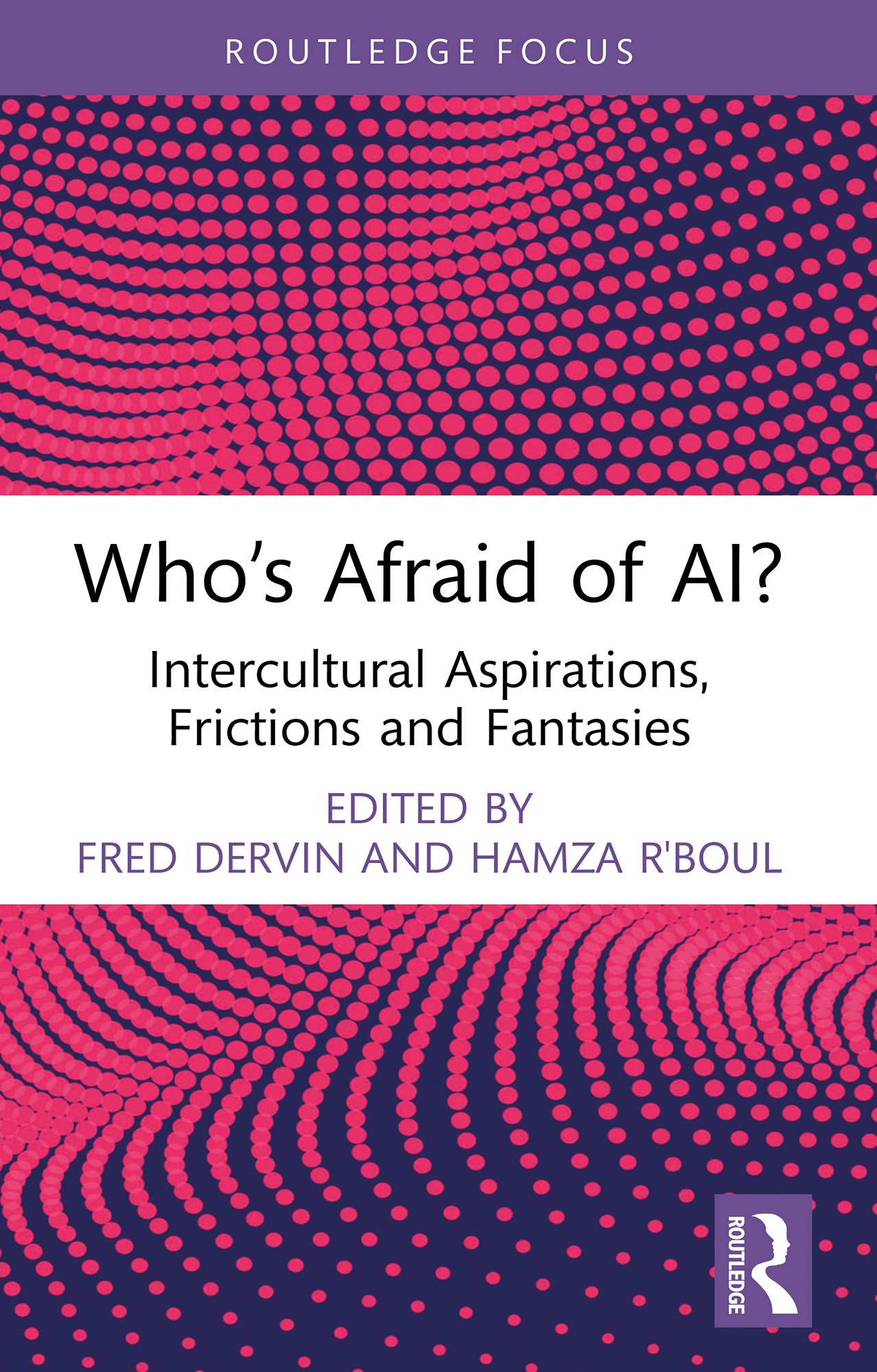
This timely edited volume challenges the potentially simplistic blame narratives surrounding artificial intelligence (AI), urging instead a shared ethical responsibility among users, researchers, policymakers, and others.
Rejecting the notion of AI as an autonomous 'evil', the book interrogates how human choices embedded in power structures, colonial legacies, and ideological frameworks can shape AI's impact on intercultural relations. Through decolonial critiques, dialogic experiments, and perspectives from the Global South, the contributors expose algorithmic biases, epistemic injustices, and governance gaps, while advocating for collective agency. From African Ubuntu ethics to Moroccan linguistic and cultural equity, and the political economy of creative industries, the book portrays AI as a mirror of human complexities and contradictions rather than a scapegoat.
A vital resource for students and scholars of intercultural communication education and research, this book calls for reflexive engagement with AI, emphasising co-accountability over unfounded dread.
Betal enkelt med kort, Klarna, Apple Pay eller Google Pay. Ikke fornøyd? Du har alltid 14 dagers angrerett. Les mer i våre vilkår. Har du spørsmål, send oss en e-post på hello@memmo.org.
Memmo gjør det enklere å studere – uansett hvor du er i verden. Hos oss samler du pensumbøker og smarte studieverktøy på ett og samme sted: sammendrag, quizer, podkaster og flashcards. Og så Ted, din studiekompis som svarer på alt du lurer på. Over 50 000 studenter studerer allerede her – bygget for at du skal lære raskere og stresse mindre.