
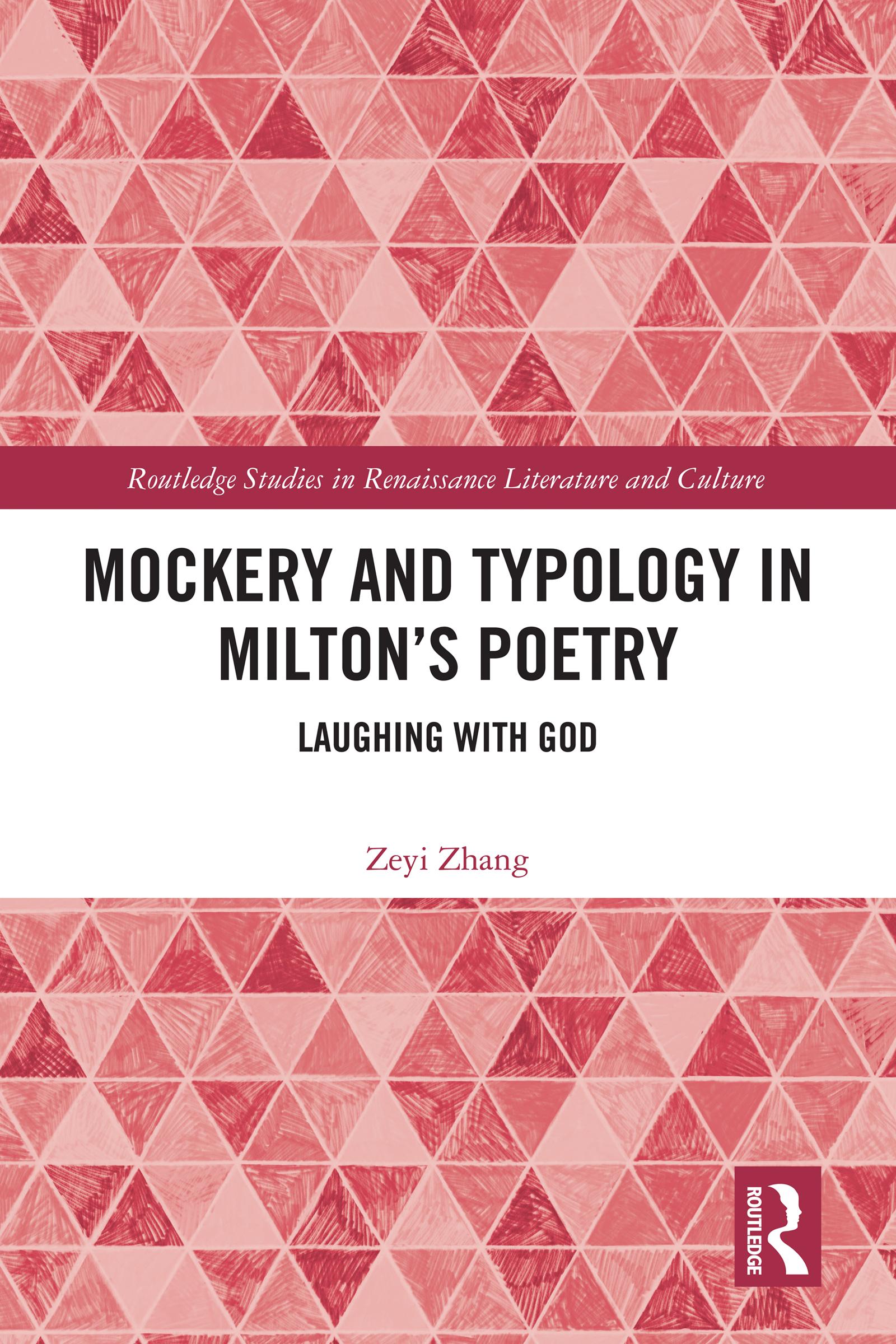
This book examines the typological significance of Milton’s use of mockery in his major poetic works. In Milton’s poetry, mockery has a constructive purpose that transcends the primarily destructive and condemnatory function of comic ridicule. Engaging human affections, mockery plays a mediating role and connects reason and appetite. Oriented toward Christ’s endurance of mockery on the cross and his mocking defeat of the devil in the Resurrection, the exchanges of mockery between Milton’s protagonists and antagonists demonstrate how mockery strengthens the human soul and unifies reason and the mortal body, enabling the participation in God’s laughter. Revisiting Milton’s poetry with special attention to mockery and typology shows the thematic potential of laughter in non-comedic works of literature. From the reader’s perspective, mockery in Milton’s poetry also bears a pedagogical function, showing us how to laugh with God in a postlapsarian world of imperfection.
Betal enkelt med kort, Klarna, Apple Pay eller Google Pay. Ikke fornøyd? Du har alltid 14 dagers angrerett. Les mer i våre vilkår. Har du spørsmål, send oss en e-post på hello@memmo.org.
Memmo gjør det enklere å studere – uansett hvor du er i verden. Hos oss samler du pensumbøker og smarte studieverktøy på ett og samme sted: sammendrag, quizer, podkaster og flashcards. Og så Ted, din studiekompis som svarer på alt du lurer på. Over 50 000 studenter studerer allerede her – bygget for at du skal lære raskere og stresse mindre.