
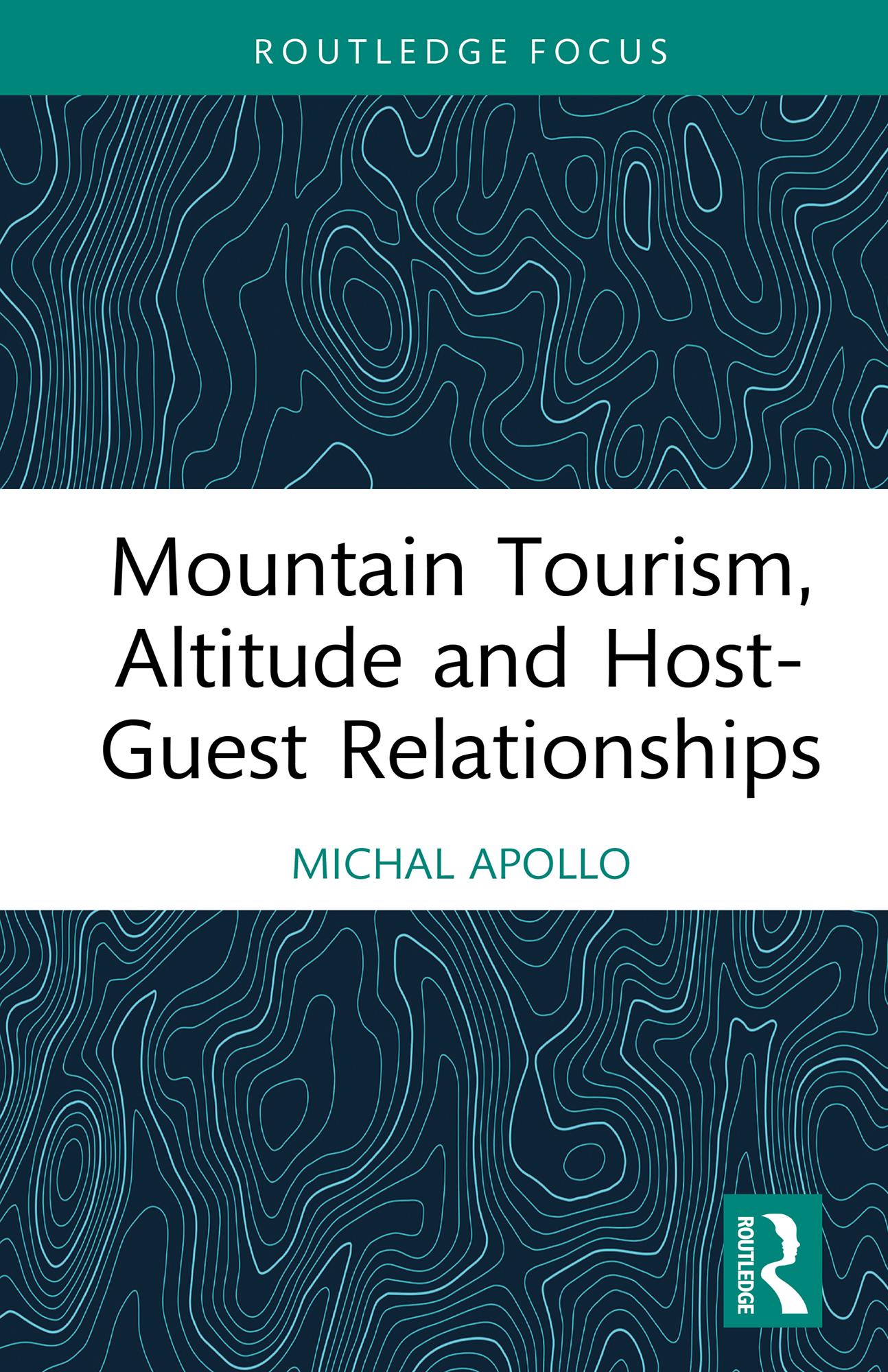
This insightful volume critically explores whether higher altitude of habitation affects host-guest exchanges in mountaineering tourism, in an effort to better understand and manage vulnerable destinations in a sustainable manner.
The book is based on empirical research conducted in the Mount Everest area in Nepal, part of the Sagarmatha National Park, which is a popular destination among tourists engaging in high-altitude mountaineering (subdivided into hiking, trekking and mountain climbing). By doing so it offers essential knowledge of mountaineering tourism whilst detailing recent developments linked to the diversification, commodification and commercialisation of mountaineering activity. This is discussed alongside the potentially positive impacts for marginalised high mountain communities.
This book is essential reading for students, academics, industry representatives and policymakers with an interest in adventure tourism and mountaineering.
Betal enkelt med kort, Klarna, Apple Pay eller Google Pay. Ikke fornøyd? Du har alltid 14 dagers angrerett. Les mer i våre vilkår. Har du spørsmål, send oss en e-post på hello@memmo.org.
Memmo gjør det enklere å studere – uansett hvor du er i verden. Hos oss samler du pensumbøker og smarte studieverktøy på ett og samme sted: sammendrag, quizer, podkaster og flashcards. Og så Ted, din studiekompis som svarer på alt du lurer på. Over 50 000 studenter studerer allerede her – bygget for at du skal lære raskere og stresse mindre.